
Author: vincent zhang 2026-06-11
Pot magnets are essential mounting solutions in industrial and commercial applications, but choosing between threaded stem and countersunk designs significantly impacts installation efficiency, load capacity, and long-term performance. This comprehensive guide compares these two popular pot magnet configurations to help engineers, designers, and procurement specialists select the optimal mounting solution for their specific requirements. Understanding the fundamental differences in how these magnets attach to surfaces can prevent costly installation errors and ensure reliable magnetic holding force throughout the product lifecycle. For additional background on magnetic applications, consult magnetic technology resources.

A pot magnet consists of a powerful neodymium magnet (NdFeB) encased in a steel housing that directs and amplifies the magnetic field to one face, dramatically increasing holding force compared to bare magnets. The steel cup concentrates magnetic flux at the contact surface while providing mechanical protection to the internal magnet material. Richeng's comprehensive product range demonstrates how pot magnets serve diverse industrial needs across manufacturing, construction, and retail applications. The design philosophy behind pot magnets centers on maximizing magnetic efficiency while enabling secure attachment to various substrates.
The fundamental advantage of pot magnet technology lies in its ability to redirect magnetic flux. When a bare neodymium magnet is placed against a steel plate, approximately 90% of its field is wasted on non-productive sides. The pot magnet's steel housing channels nearly all magnetic energy toward the mounting face, achieving holding forces that can exceed 200 kg for standard sizes. This efficiency makes pot magnets the preferred choice for applications requiring reliable, repeatable magnetic clamping or holding without permanent installation.
Threaded stem pot magnets feature a male-threaded shaft extending from the magnet housing, allowing attachment via nuts, bolts, or threaded holes. The threaded connection provides adjustable positioning and easy removal, making these magnets ideal for temporary or semi-permanent installations. Standard thread sizes include M3 through M20, with custom configurations available for specialized applications. The threaded stem distributes installation force across the entire shaft, reducing stress concentration at the mounting point.
The holding force of threaded stem pot magnets ranges from 5 kg to over 200 kg, depending on housing diameter and magnet grade. Surface integrity becomes crucial during installation, as excessive torque can damage the magnet housing or compromise the magnetic circuit. Proper technique involves using calibrated torque wrenches and appropriate washer configurations to ensure even load distribution. For applications requiring frequent removal, applying anti-seize compound prevents thread galling and extends service life. Detailed mounting guidelines are available from industrial mounting best practices.
Countersunk pot magnets incorporate a countersunk (flat-head) screw hole in the center of the steel housing, enabling flush mounting against flat surfaces. This design creates a low-profile installation where the magnet sits nearly flush with the mounting surface, eliminating protruding hardware that might interfere with nearby components or pose safety hazards. The centered mounting hole provides superior shear resistance compared to offset mounting methods, making countersunk pot magnets preferred for applications involving lateral loads or vibration.
The selection criteria for industrial equipment applications often favor countersunk designs when smooth surfaces are required or when magnetic assemblies must integrate into existing machinery without modification. The flush mounting also improves aesthetic appearance in retail and display applications where visible hardware is undesirable. Countersunk pot magnets typically accept standard flat-head machine screws, simplifying hardware procurement and replacement.

The choice between threaded stem and countersunk pot magnets involves multiple technical considerations that affect installation method, load capacity, and application suitability. Safety considerations for magnetic systems in industrial environments are addressed by workplace safety standards.
| Characteristic | Threaded Stem | Countersunk |
|---|---|---|
| Installation Method | Nut and washer, threaded into hole | Flat-head screw through center hole |
| Profile Height | Higher (adds shaft length) | Lower (flush mounting) |
| Adjustability | Easy position adjustment | Fixed position after installation |
| Removal | Simple unscrewing | Requires screw removal |
| Shear Resistance | Moderate (depends on shaft) | High (centered, flush mount) |
| Typical Applications | Temporary fixtures, adjustable setups | Permanent installations, machinery |
Threaded stem pot magnets excel in applications requiring frequent repositioning or removal. Trade show displays, temporary signage, and prototype assemblies benefit from the ability to quickly relocate magnetic holding points without drilling new holes or replacing hardware. The fishing magnet industry has adopted threaded stem designs for underwater recovery operations where modular rope or bolt attachments enable rapid configuration changes based on target objects and water conditions.
Applications involving limited access to mounting surfaces also favor threaded stems. When the back of a mounting surface is inaccessible, a threaded stem allows installation from the front using a nut to secure the magnet in place. This characteristic proves invaluable for cabinet making, signage installation, and retail fixture mounting where installers cannot access rear surfaces. The threaded connection also accommodates vibration-dampening washers or lock nuts for secure long-term installations in challenging environments.
Countersunk pot magnets provide superior performance in permanent installations where flush mounting and maximum stability are priorities. Industrial machinery, automated equipment, and robotic systems often specify countersunk designs to eliminate interference with moving components and ensure reliable magnetic holding under continuous vibration. The centered mounting hole creates a symmetrical load path that resists lateral movement more effectively than offset or peripheral mounting methods.
Safety-critical applications benefit from the low-profile characteristics of countersunk pot magnets. In environments where personnel may contact magnetic assemblies, flush mounting eliminates sharp edges and protruding hardware that could cause injury. The relationship between magnetic strength and surface integrity becomes particularly important in countersunk applications, as proper mounting distributes holding force evenly across the contact surface.
Both pot magnet styles require appropriate surface treatments to maintain performance in corrosive environments. Standard zinc plating provides adequate protection for indoor applications, while nickel plating offers improved durability and appearance for consumer-facing products. Harsh environments including outdoor use, marine applications, and chemical exposure require specialized coatings such as rubber encapsulation or epoxy powder coating.
The balance between corrosion resistance and magnetic pull force requires careful consideration during material selection. Thicker plating layers increase corrosion protection but may slightly reduce holding force by increasing the gap between the magnet and contact surface. Professional magnet suppliers can recommend optimal coating specifications based on environmental exposure and performance requirements. Regular inspection and maintenance schedules help identify coating degradation before magnetic performance is compromised.
Achieving optimal magnetic holding force requires matching pot magnet specifications to application requirements. The rated pull force of pot magnets assumes direct contact with a smooth, flat steel surface of sufficient thickness. Real-world conditions including paint layers, surface roughness, and partial contact significantly reduce effective holding capacity. Engineers should apply safety factors of 2:1 or greater when specifying pot magnets for critical applications.
Temperature affects neodymium magnet performance, with holding force decreasing approximately 0.1% per degree Celsius above room temperature. High-temperature applications require specialized magnet grades that maintain magnetic properties at elevated temperatures. Anti-rust treatments and protective coatings extend service life in demanding environments while preserving magnetic efficiency throughout the operational temperature range.
Choosing between threaded stem and countersunk pot magnets requires evaluating several factors simultaneously.
Threaded stem pot magnets dominate applications in retail merchandising, temporary signage, and prototyping where repositioning flexibility provides operational advantages. Magnetic recovery systems utilize threaded stem designs extensively due to the modular attachment points required for different retrieval scenarios. Workshop tools, magnetic tool holders, and adjustable clamping systems also benefit from threaded stem versatility.
Countersunk pot magnets are ubiquitous in manufacturing equipment, conveyor systems, and automated machinery where reliable, permanent magnetic holding is essential. HVAC systems, signage fabrication, and architectural installations prefer countersunk designs for their clean appearance and secure mounting characteristics. The electronics industry uses countersunk pot magnets for fixture clamping in assembly processes where consistent positioning is critical for quality control.
Both threaded stem and countersunk pot magnets serve essential roles in industrial and commercial applications. Threaded stem pot magnets offer installation flexibility, easy removal, and front-access mounting capability that countersunk designs cannot match. Countersunk pot magnets provide superior shear resistance, lower profiles, and cleaner appearances that permanent installations require. Successful magnet selection depends on understanding application requirements, environmental conditions, and long-term maintenance considerations.
Q1: Can I use a threaded stem pot magnet with countersunk screws?
A1: No, threaded stem pot magnets require nuts or threaded connections to secure the shaft. Attempting to use countersunk screws will not provide proper attachment and may damage the magnet housing.
Q2: Which pot magnet type has higher holding force?
A2: Holding force depends primarily on magnet size and grade, not mounting style. Both types achieve similar maximum pull forces when properly installed on appropriate surfaces.
Q3: How do I increase shear resistance for threaded stem magnets?
A3: Use longer threaded shafts that engage deeper into mounting surfaces, apply thread-locking compounds, and consider supplementary lateral support or guide pins for applications with significant sideways loads.
Q4: What surface preparation is required for optimal holding force?
A4: Both magnet types require clean, flat, ferromagnetic surfaces. Remove paint, coatings, or rust from contact areas. Ensure minimum surface thickness to prevent magnetic saturation (typically 3mm minimum for steel).
Q5: Can pot magnets be used underwater?
A5: Standard pot magnets are not waterproof. For underwater applications, specify rubber-coated or fully encapsulated versions with appropriate ingress protection ratings. International standards provide guidance on IP rating classifications for magnetic assemblies.
Ningbo Richeng Magnetic Material Co., Ltd. is a leading enterprise specializing in the design, production and sales of NdFeB permanent magnet materials. Richeng is located in Ningbo, the magnetic capital of China with convenient transportation. Combining independent design, production and import and export capabilities, Richeng provides high-quality magnetic components and tools.

Explore the top 9 reliable heavy-duty fishing magnet manufacturers in China, including Richeng, for effective metal debris recovery.
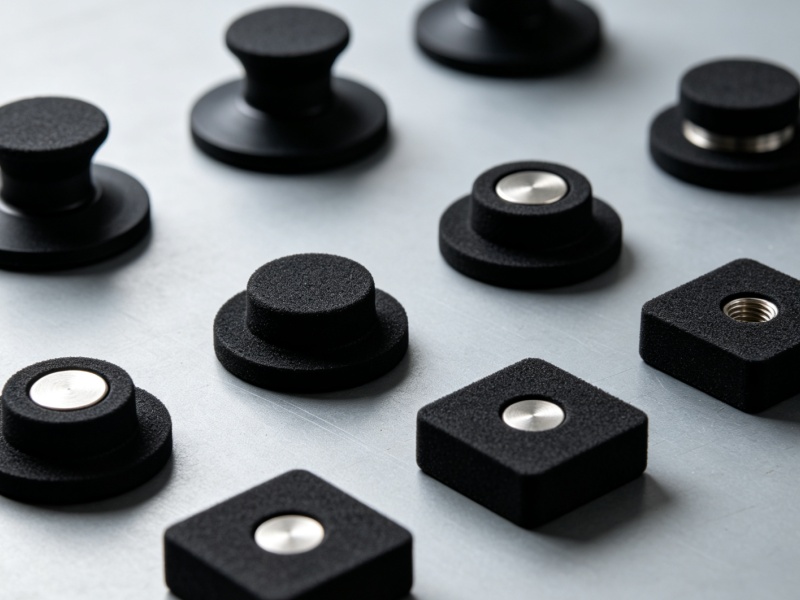
Discover the top 10 trusted pot magnet factories. Richeng, a leading manufacturer in China, offers rubber coated magnet, magnetic pickup tool, magnetic hook.
Discover Richeng, a trusted manufacturer in China for rubber coated magnet, magnetic pickup tool, and magnetic hook.
 EN
EN AR
AR HR
HR CS
CS DA
DA NL
NL FI
FI FR
FR DE
DE EL
EL IT
IT JA
JA KO
KO NO
NO PL
PL PT
PT RU
RU ES
ES SV
SV IW
IW VI
VI TH
TH TR
TR FA
FA MS
MS