
Author: vincent zhang 2026-06-10
Permanent pot magnets and electromagnets represent two distinct approaches to magnetic force generation, each offering unique advantages for specific applications. Understanding the pros and cons of permanent pot magnets versus electromagnets helps engineers and procurement specialists select the optimal solution for industrial equipment, manufacturing processes, and specialized recovery operations.

A permanent pot magnet consists of a magnetic material, typically NdFeB (neodymium-iron-boron), enclosed within a steel cup or housing. The steel casing concentrates and directs the magnetic flux toward one active face, significantly amplifying the holding force compared to raw magnetic material. These magnets generate magnetic fields continuously without requiring external power sources. For applications requiring reliable, maintenance-free magnetic holding, pot magnets provide an effective solution across diverse industrial sectors.
Pot magnets are available in various configurations including shallow pot magnets, deep pot magnets with threaded studs, and rubber-coated variants designed to protect surfaces. The design of the steel housing also shields the magnetic material from physical damage and environmental factors. When selecting pot magnets for industrial equipment, considering factors such as pull force requirements, installation method, and environmental exposure becomes essential for optimal performance.
An electromagnet produces a magnetic field through the flow of electrical current in a coil of wire, typically wrapped around a ferromagnetic core. Unlike permanent magnets, electromagnets allow operators to control magnetic strength by adjusting current flow. When electrical power is disconnected, the magnetic field collapses immediately, providing on-demand magnetic functionality. This controllability makes electromagnets suitable for applications requiring variable holding force or intermittent magnetic operation.
Electromagnets require continuous power supply to maintain their magnetic field, creating dependency on electrical infrastructure. The power consumption aspect becomes particularly relevant in remote installations or portable applications where energy availability is limited. Understanding the operational requirements and power constraints helps determine whether electromagnet technology aligns with specific application demands. Electromagnetic systems must comply with relevant
Permanent pot magnets generate fixed magnetic fields with strength determined during manufacture. NdFeB pot magnets achieve remarkable pull forces relative to their size, with high-grade variants reaching magnetic energy products exceeding 50 MGOe. The steel housing design concentrates flux effectively, producing holding forces ranging from a few kilograms to over 1,000 kilograms for industrial-grade units.
Electromagnets theoretically can achieve higher peak fields than permanent magnets, limited primarily by coil heating and saturation of the core material. However, practical electromagnets operate at controlled power levels to prevent overheating. The ability to vary magnetic strength continuously provides flexibility that permanent magnets cannot match. For applications demanding adjustable holding force, electromagnets offer superior operational adaptability.
The magnetic pull force in pot magnets depends on surface treatment quality and material composition. Research on electroplating corrosion resistance and magnetic pull force relationships demonstrates that surface coatings must balance protective properties against potential magnetic flux interference. Selecting appropriate surface treatments requires understanding specific application environmental conditions.
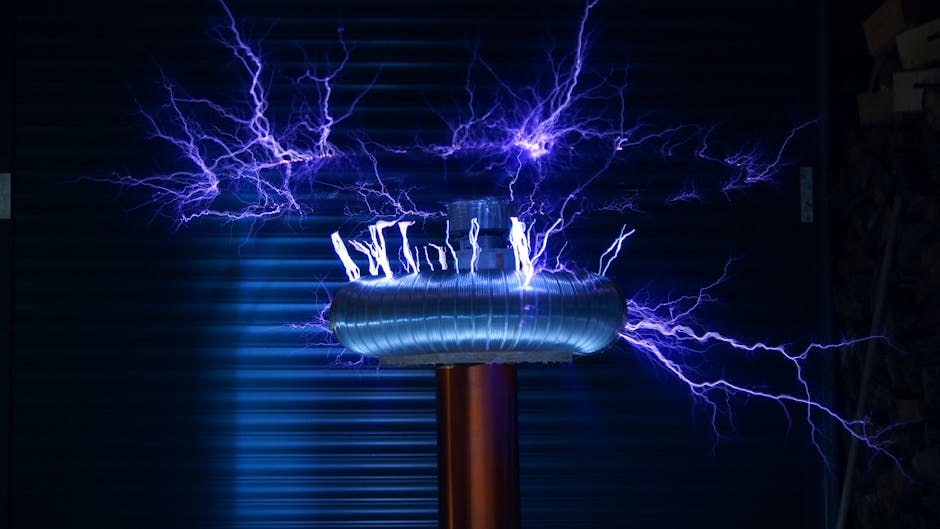
Permanent pot magnets consume no energy during operation, representing a significant advantage in energy-conscious applications. Once magnetized during manufacture, these magnets maintain their field indefinitely under normal operating conditions. The absence of power requirements eliminates ongoing electricity costs and simplifies installation by removing wiring and power supply considerations.
Electromagnets require continuous electrical power to maintain their magnetic field, with power consumption varying based on coil design and desired field strength. Industrial electromagnets may consume hundreds of watts during operation, generating heat that requires thermal management. These ongoing energy costs compound over the operational lifetime, potentially making electromagnets more expensive despite lower initial equipment costs.
The fundamental operational difference between permanent pot magnets and electromagnets lies in controllability. Permanent pot magnets provide constant holding force that cannot be adjusted or deactivated without physical removal. This fixed operation suits applications requiring continuous magnetic engagement but limits flexibility for variable requirements. Operators cannot modulate holding force to accommodate different loads or operational sequences.
Electromagnets provide complete control over magnetic engagement through simple electrical switching. Magnetic field strength scales with current flow, enabling precise force adjustment. This controllability proves valuable in automated manufacturing systems, material handling equipment, and lifting applications requiring secure attachment followed by rapid release. The ability to integrate electromagnet control with
Permanent pot magnets pose safety risks related to their constant magnetic field and strong attraction forces. Handling large pot magnets requires care to prevent crushing injuries between the magnet and attracted surfaces. The persistent magnetic field also presents concerns for electronic devices, medical implants, and credit cards. Ferromagnetic objects can become dangerous projectiles in strong magnetic fields.
Electromagnets present electrical safety considerations including shock hazards from high-current power supplies and thermal burn risks from heated coils. Emergency de-energization capabilities provide an inherent safety advantage, allowing immediate magnetic field collapse during malfunction. Power failure results in automatic magnet release, which may be desirable or problematic depending on application requirements. Proper safety protocols should align with
Permanent pot magnets excel in applications requiring constant holding force, simple installation, and minimal maintenance. Common uses include:
Electromagnets prove superior for applications requiring variable force, intermittent operation, or integration with control systems:
When selecting between these technologies, the specific operational requirements, environmental conditions, and economic constraints determine the optimal choice. Consulting with magnetic material manufacturers helps ensure proper specification for demanding industrial applications. For fishing magnet applications, proper selection is particularly critical.
Choosing between permanent pot magnets and electromagnets requires evaluating several key factors:
For many industrial equipment applications, permanent pot magnets provide the optimal balance of reliability, simplicity, and cost-effectiveness. The technology continues advancing, with improved magnetic materials and surface treatments expanding performance capabilities and environmental suitability. Businesses should also consider when implementing connected magnetic systems.
Can permanent pot magnets be turned off like electromagnets?
No, permanent pot magnets generate constant magnetic fields and cannot be deactivated without physical removal. If magnetic field control is required, electromagnet technology must be used instead.
Which magnet type lasts longer in outdoor environments?
Permanent pot magnets with appropriate corrosion-resistant coatings typically outperform electromagnets in outdoor environments due to the absence of electrical components vulnerable to moisture and temperature cycling.
Are electromagnets more powerful than permanent pot magnets?
Electromagnets can achieve higher peak magnetic fields, but practical holding force depends on power input and thermal limits. For typical industrial holding applications, high-quality NdFeB pot magnets often match or exceed electromagnet performance.
What maintenance do pot magnets require?
Pot magnets require minimal maintenance including periodic inspection for surface damage, cleaning to remove debris from the magnetic gap, and verification of mounting integrity. Proper surface treatment extends service life significantly.
Ningbo Richeng Magnetic Material Co., Ltd. is a leading enterprise specializing in the design, production and sales of NdFeB permanent magnet materials. Richeng is located in Ningbo, the magnetic capital of China with convenient transportation. Combining independent design, production and import and export capabilities, Richeng provides high-quality magnetic components and tools.

Explore the top 9 reliable heavy-duty fishing magnet manufacturers in China, including Richeng, for effective metal debris recovery.
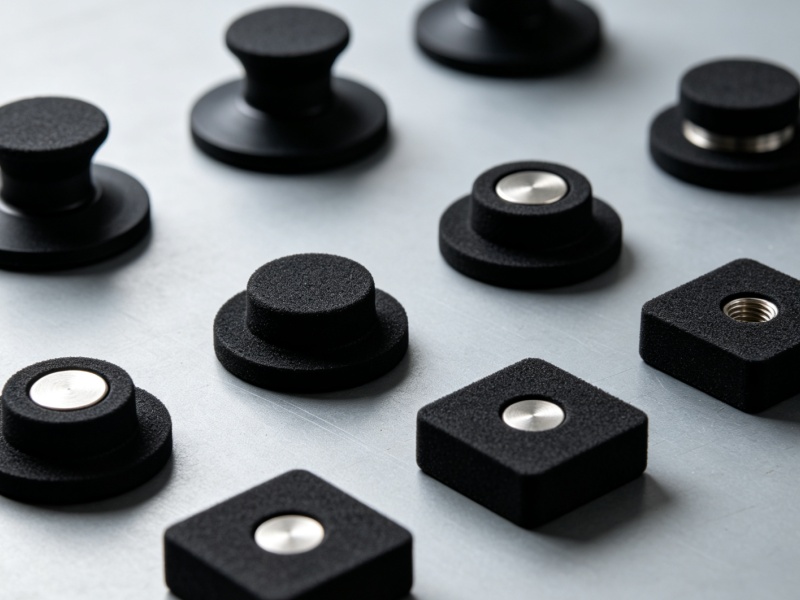
Discover the top 10 trusted pot magnet factories. Richeng, a leading manufacturer in China, offers rubber coated magnet, magnetic pickup tool, magnetic hook.
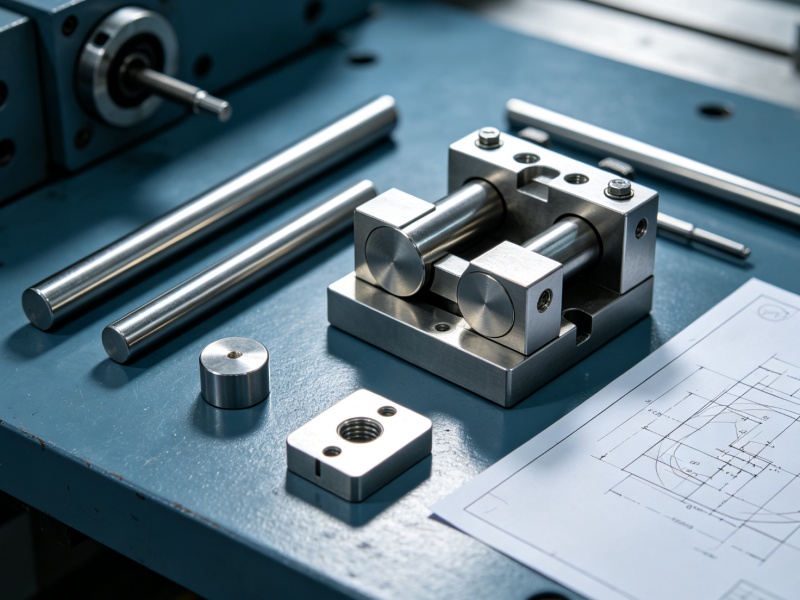
Discover Richeng, a trusted manufacturer in China for rubber coated magnet, magnetic pickup tool, and magnetic hook.
 EN
EN AR
AR HR
HR CS
CS DA
DA NL
NL FI
FI FR
FR DE
DE EL
EL IT
IT JA
JA KO
KO NO
NO PL
PL PT
PT RU
RU ES
ES SV
SV IW
IW VI
VI TH
TH TR
TR FA
FA MS
MS