
Author: vincent zhang 2026-06-11
Finding reliable suppliers for high-strength pot magnets in bulk requires careful evaluation of manufacturer credentials, material specifications, and shipping protocols. This guide covers the safest procurement channels, quality indicators, and critical factors that distinguish professional bulk suppliers from resellers. Understanding these elements helps procurement managers source industrial-grade magnets that meet performance requirements while ensuring workplace safety during handling and storage.
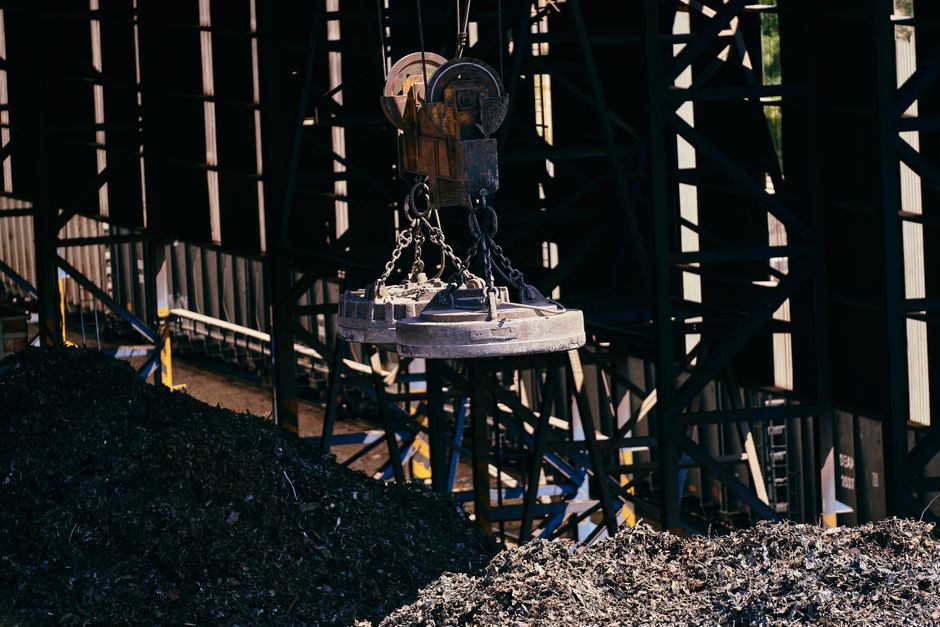
Pot magnets consist of a powerful magnet (typically NdFeB or ferrite) encased in a steel shell that directs the magnetic field toward one face. This design amplifies pull force while protecting the magnet material from physical damage. High-strength variants typically feature NdFeB cores with maximum energy products exceeding 45 MGOe.
The steel housing serves multiple functions: it concentrates magnetic flux, provides mechanical protection, and enables easy mounting through threaded studs or bolt holes. Industrial buyers should understand that pot magnet strength ratings depend on specific test conditions, including surface material, air gap, and temperature.
Selecting the right pot magnet for industrial equipment requires matching pull force specifications to actual application requirements. Engineers must account for shear forces, repeated loading cycles, and environmental conditions when determining appropriate strength ratings for bulk purchases.
Manufacturing facilities increasingly require bulk pot magnets for automated assembly lines, magnetic workholding, and robotic end-of-arm tooling. The automotive sector uses these components in fixture systems where consistent magnetic pull ensures weld quality and reduces setup time between production runs.
Construction companies employ high-strength pot magnets for temporary mounting of steel formwork and signage. Electronics manufacturers source bulk quantities for magnetic clamping in CNC machining operations, where hold-down force directly impacts machining accuracy and surface finish quality.
Fishing magnet applications represent a specialized market segment, though industrial users should distinguish between recreational products and industrial-grade units designed for repetitive recovery operations. The choice between these categories significantly impacts bulk pricing and long-term performance expectations.
Purchasing high-strength pot magnets in bulk introduces significant workplace safety challenges that responsible buyers must address. Neodymium magnets exceeding 50 pounds pull force can cause severe crush injuries when two units attract together unexpectedly. Warehouse personnel require training on proper handling procedures before bulk deliveries arrive.
Magnetic fields from bulk magnet shipments can damage electronic equipment, pacemakers, and magnetic storage media. Safe storage protocols mandate keeping bulk magnet inventory at least three feet from computers, smartphones, and sensitive measuring instruments. Some bulk suppliers offer degaussing services that reduce shipping risks.
Surface integrity protection becomes paramount when storing bulk magnets long-term. Industrial-grade pot magnets typically undergo electroplating or coating treatments that prevent corrosion in humid environments. Understanding the relationship between surface treatments and magnetic performance helps buyers make informed bulk purchasing decisions.

Reputable bulk magnet suppliers maintain ISO 9001 quality management certification, demonstrating systematic processes for manufacturing consistency and defect control. This international standard provides independent verification that suppliers can deliver uniform product quality across large bulk orders.
Material certifications verify magnet composition, particularly for NdFeB grades where rare earth content directly impacts magnetic strength. Bulk buyers should request material test reports confirming residual flux density, coercivity, and maximum energy product values match specified requirements.
Surface treatment specifications warrant particular attention when sourcing bulk quantities. The balance between electroplating corrosion resistance and magnetic pull force determines long-term performance in industrial environments. Buyers should verify coating thickness, adhesion ratings, and salt spray test results for outdoor or marine applications.
Direct manufacturer sourcing offers the most control over quality specifications and enables custom configurations for bulk orders. Established manufacturers like Ningbo Richeng Magnetic Material provide direct technical support, material traceability, and consistent production runs that meet industrial quality standards.
Authorized distributors provide intermediate inventory buffers that reduce lead times for bulk orders while maintaining manufacturer warranty coverage. These channels work well for standard catalog items where quantity breaks apply to orders exceeding minimum quantities.
Online marketplaces present higher risk profiles for bulk magnet purchases due to inconsistent quality verification and limited recourse for defective shipments. Industrial buyers should reserve marketplace purchases for sample quantities when evaluating new suppliers before committing to bulk orders.
Volume discount tiers typically start at 100-unit quantities and scale upward to pallet or container quantities for significant orders. Price breaks generally range from 15% to 35% compared to unit pricing, depending on magnet strength grade and configuration complexity.
Minimum order quantities (MOQ) vary significantly between suppliers and often reflect production batch sizes for specific magnet grades. Buyers requiring mixed configurations should anticipate higher per-unit costs compared to single-specification bulk orders.
Hidden costs in bulk magnet procurement include specialized packaging materials, hazmat shipping fees for air transport, and import duties for international sourcing. Comprehensive total cost analysis should incorporate these factors before selecting suppliers based purely on unit pricing.
Magnetic pull force specifications should include test method documentation, typically referencing standards like ASTM F963 for magnetic toy safety or ISO 921 for magnetic material testing. Bulk buyers should verify that stated pull forces reflect actual testing rather than theoretical calculations.
Surface finish quality indicates manufacturing precision and coating adherence. Visual inspection criteria should address coating uniformity, absence of pinholes, and edge coverage for plated units. Magnetic hook applications require particular attention to load-bearing capacity ratings.
Temperature rating specifications matter for industrial applications involving elevated operating temperatures. Standard NdFeB magnets lose strength above 80°C, while high-temperature grades maintain performance up to 200°C. Bulk buyers must confirm temperature ratings match application requirements.
High-strength pot magnets require specialized packaging that prevents magnetic interaction during transit. Professional suppliers use keeper plates, magnetic shielding materials, and reinforced containers that minimize shipping damage and workplace hazards upon delivery.
Air freight restrictions on neodymium magnets due to magnetic field interference with aircraft navigation systems significantly impact international shipping costs. Ocean freight offers more economical transportation but requires longer lead times and additional inventory carrying costs.
Customs documentation for magnetic materials includes harmonized tariff codes, material composition declarations, and destination country import requirements. Experienced suppliers assist buyers with documentation preparation to prevent customs delays that disrupt production schedules.
Proper installation practices significantly impact pot magnet service life in industrial settings. Surface preparation, mounting torque specifications, and environmental sealing all contribute to long-term performance reliability. Anti-rust treatment and sacrificial anode protection provide additional corrosion resistance for demanding applications.
Regular inspection protocols identify potential failures before they cause production disruptions. Visual checks for coating damage, pull force testing at scheduled intervals, and documentation of performance trends support predictive maintenance programs for magnet-dependent equipment.
Environmental factors including humidity, salt exposure, and temperature cycling accelerate degradation in inadequately protected magnets. Surface treatment selection should match environmental conditions to maximize service life and justify bulk purchase investments.
Safe bulk procurement of high-strength pot magnets requires evaluating supplier certifications, understanding quality specifications, and implementing proper handling protocols. Direct manufacturer sourcing offers the best combination of quality control and technical support for industrial applications requiring consistent performance.
Quality indicators including material certifications, pull force test documentation, and surface treatment specifications provide verification that bulk orders meet application requirements. Buyers should request samples before committing to large bulk orders to verify specifications match expectations.
Safety considerations for handling and storage of bulk magnet shipments require appropriate training, equipment, and storage protocols. These investments protect personnel and prevent damage to sensitive equipment while ensuring bulk magnet investments deliver expected performance over extended service periods.
What minimum order quantity typically applies to bulk pot magnet purchases?
Most suppliers establish minimum order quantities between 50 and 200 units for standard catalog pot magnets, though custom configurations may require higher minimums reflecting production batch sizes. Some manufacturers offer sample quantities for specification verification before committing to bulk orders.
How do I verify pull force specifications match actual magnet performance?
Request material test reports and pull force certificates from suppliers documenting testing methods and results. Independent laboratory testing provides additional verification for critical applications. Compare stated test conditions against your actual application requirements to ensure valid comparisons.
What shipping restrictions apply to high-strength neodymium magnets?
Air transport faces strict limitations due to magnetic field interference with aircraft instruments. Most international shipments travel via ocean freight. Domestic ground shipping offers more flexibility but still requires proper magnetic shielding and handling documentation.
Which surface treatment provides best corrosion protection for outdoor applications?
Nickel-copper-nickel electroplating offers excellent general corrosion resistance. For harsh environments including salt exposure, rubber or plastic coating provides superior protection though with slightly reduced pull force due to increased air gap. High-pressure spray testing validates coating performance for marine applications.
How should bulk magnet inventory be stored to prevent safety incidents?
Store bulk magnets individually separated with keeper plates or ferromagnetic shielding between units. Maintain minimum three-foot separation from electronic equipment, and train all personnel on proper handling procedures before granting warehouse access. Regular inventory rotation prevents extended storage that increases degradation risks.
Ningbo Richeng Magnetic Material Co., Ltd. is a leading enterprise specializing in the design, production and sales of NdFeB permanent magnet materials. Richeng is located in Ningbo, the magnetic capital of China with convenient transportation. Combining independent design, production and import and export capabilities, Richeng provides high-quality magnetic components and tools.

Explore the top 9 reliable heavy-duty fishing magnet manufacturers in China, including Richeng, for effective metal debris recovery.
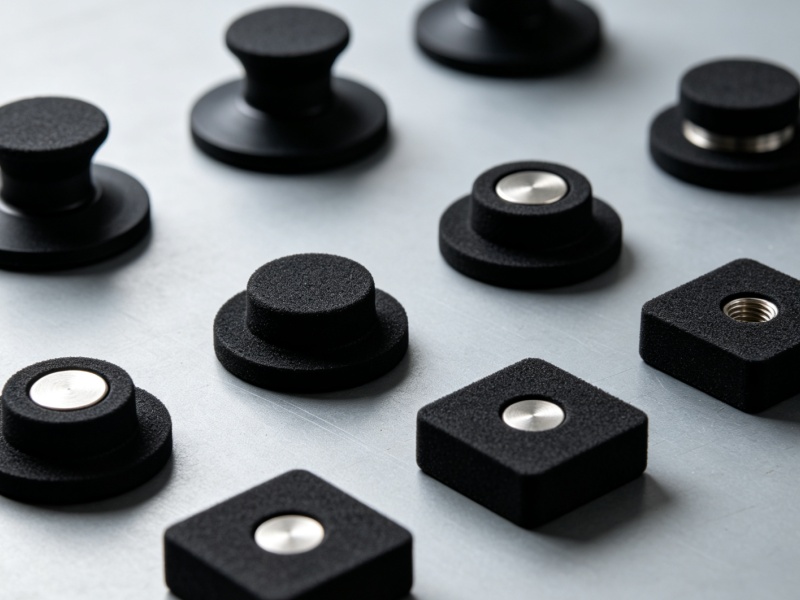
Discover the top 10 trusted pot magnet factories. Richeng, a leading manufacturer in China, offers rubber coated magnet, magnetic pickup tool, magnetic hook.
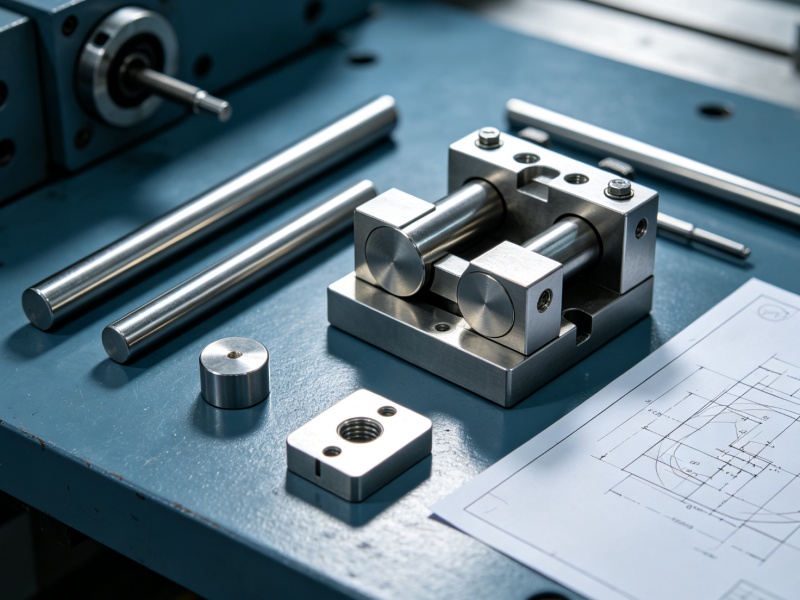
Discover Richeng, a trusted manufacturer in China for rubber coated magnet, magnetic pickup tool, and magnetic hook.
 EN
EN AR
AR HR
HR CS
CS DA
DA NL
NL FI
FI FR
FR DE
DE EL
EL IT
IT JA
JA KO
KO NO
NO PL
PL PT
PT RU
RU ES
ES SV
SV IW
IW VI
VI TH
TH TR
TR FA
FA MS
MS