
Author: vincent zhang 2026-06-08
Pull force is the primary metric that determines how effectively a pot magnet performs in industrial and commercial applications, directly impacting both functional capability and operational safety. Understanding the relationship between pull force and pot magnet performance helps engineers and procurement specialists select appropriate magnetic assemblies for their specific requirements. This article examines how pull force influences magnet performance, identifies critical safety considerations, and provides evidence-based guidance for proper selection and handling.

Pull force, measured in pounds or kilograms, represents the maximum force required to separate a magnet from a ferromagnetic surface when pulled perpendicularly. In pot magnets, this force combines the magnetic flux density of the NdFeB core with the steel housing's ability to channel and concentrate magnetic field lines. The design of the pot enclosure significantly amplifies the effective pull force compared to raw magnet discs of equivalent size. Manufacturers typically specify pull force under ideal laboratory conditions, which may differ from real-world installation scenarios.
The actual pull force achievable depends on multiple interacting variables including surface finish, material composition, air gap thickness, and temperature. Rcmagnet's product range demonstrates how different pot magnet configurations optimize these variables for specific applications. Quality control documentation should verify pull force specifications through standardized testing methods to ensure consistency across production batches.
Higher pull force ratings generally indicate superior holding capability, enabling pot magnets to secure heavier loads or maintain stability under dynamic conditions. In industrial equipment mounting applications, adequate pull force ensures reliable attachment even when vibrations or mechanical stresses attempt to dislodge the assembly. Insufficient pull force relative to load requirements results in slippage, accelerated wear, and potential failure of the magnetic joint.
The relationship between pull force and performance follows a diminishing returns curve as magnet size increases. Doubling the magnet dimensions does not necessarily double the effective pull force due to geometric constraints and magnetic saturation limits. Engineers must evaluate the specific pull force-to-weight ratio when comparing pot magnet options for weight-critical applications. The balance between protective plating and magnetic output requires careful consideration during the selection process.
Safety risks associated with pot magnets increase proportionally with pull force magnitude. High-force magnetic assemblies can cause severe injuries when fingers or body parts become trapped between the magnet and ferromagnetic surfaces. Industry data from occupational safety organizations indicates that incidents involving strong magnets most commonly occur during installation, adjustment, or removal procedures. Proper handling protocols must address the sudden attraction forces that develop when magnets approach metallic objects.
Personnel should receive training on safe handling techniques before working with pot magnets exceeding specific pull force thresholds. According to NIST guidance on workplace safety fundamentals, employers must implement appropriate controls for hazardous materials and equipment. This principle extends to magnetic assemblies where the attraction force itself constitutes the primary hazard mechanism.
Several material and environmental factors influence the realized pull force of pot magnets in service:
Surface integrity plays a crucial role in maintaining rated pull force throughout the service life. The interaction between strong magnets and surface integrity requires careful attention during both installation and maintenance phases. Regular inspection protocols should verify that mounting surfaces remain clean, smooth, and free from corrosion buildup.

Thermal conditions significantly affect the pull force performance of NdFeB-based pot magnets. Operating temperatures above 80°C cause progressive demagnetization in standard-grade neodymium magnets, reducing effective holding force. High-temperature applications require specially formulated magnet grades with enhanced thermal stability characteristics. Temperature cycling between extreme conditions accelerates degradation through differential thermal expansion of component materials.
Cold temperature operation generally preserves magnetic flux density but may introduce brittleness in housing materials and protective coatings. Applications involving cryogenic or sub-zero conditions require material compatibility assessment to ensure reliable performance. Proper thermal management through heat sinks or temperature barriers may be necessary for high-drawback applications in elevated ambient temperatures.
Installation Best Practices for Safety
Proper installation techniques minimize both performance degradation and safety hazards when working with pot magnets. The following sequence represents the recommended approach for most industrial mounting applications:
For applications requiring disassembly, specialized separation tools prevent injury and component damage. Magnetic lifting assemblies typically incorporate safety factors of 2:1 or greater to account for dynamic loading and environmental degradation.
Regular maintenance ensures sustained pull force performance and early detection of degradation. Inspection intervals depend on application criticality and environmental exposure severity. Visual examination should identify any cracks, corrosion, or deformation of the steel housing that might indicate overload conditions. Pull force verification testing using calibrated load cells confirms that the assembly maintains adequate holding capacity.
Corrosion protection measures extend service life and preserve magnetic performance in harsh environments. Anti-rust treatments and sacrificial anode protection provide additional durability for outdoor or marine applications. Selecting appropriate surface coatings during initial procurement eliminates the need for retrofit modifications that might compromise magnetic circuit efficiency.
Different industrial applications impose varying pull force requirements based on load characteristics and safety considerations. Heavy machinery mounting typically demands pull force ratings three to five times the calculated working load to accommodate dynamic forces and vibration. Temporary mounting applications may accept lower safety margins when quick removal capability takes priority over maximum holding force.
The selection guide for industrial equipment pot magnets provides detailed criteria for matching magnetic specifications to application requirements. Fishing magnet applications present unique considerations where comparing pull force ratings across different magnet types helps identify optimal configurations for underwater recovery tasks. Understanding magnetic recovery mechanics explains why advertised pull force ratings may not directly translate to retrieval capability in submerged conditions.
Standardized testing procedures ensure consistent pull force measurement across manufacturers and product generations. Pull force testing involves positioning the magnet against a clean steel test plate and measuring the force required for separation using a calibrated dynamometer. Test conditions should specify surface finish, plate thickness, and temperature to enable meaningful comparisons between products.
Third-party certification programs provide independent verification of manufacturer claims, reducing procurement risk for critical applications. Quality management systems incorporating statistical process control identify production variations that might affect magnetic performance. Documentation of test results supports traceability requirements in regulated industries including aerospace, automotive, and medical device manufacturing.
What is the difference between pull force and shear force in pot magnets?
Pull force measures perpendicular separation resistance, while shear force represents sliding resistance along the mounting surface. Shear force is typically 15-25% of the pull force rating due to the magnetic field orientation relative to the contact surface.
Can pull force be increased after installation?
Pull force cannot be increased post-installation. However, reducing air gaps, cleaning mounting surfaces, and ensuring full ferromagnetic contact area can help achieve the rated pull force specification.
How do I safely remove a high-force pot magnet?
Use specialized magnetic separation tools that apply controlled leverage to gradually overcome the attraction force. Never attempt to pry magnets apart using screwdrivers or other improvised tools.
What safety equipment is recommended when handling large pot magnets?
Leather gloves protect against pinching, safety glasses prevent particle hazards, and non-magnetic tools maintain control during positioning. Physical barriers prevent unauthorized access during handling operations.
How often should pull force be verified in service?
Annual verification testing is sufficient for stable indoor applications. Quarterly inspection is recommended for outdoor installations, high-vibration environments, or safety-critical applications.
Ningbo Richeng Magnetic Material Co., Ltd. is a leading enterprise specializing in the design, production and sales of NdFeB permanent magnet materials. Richeng is located in Ningbo, the magnetic capital of China with convenient transportation. Combining independent design, production and import and export capabilities, Richeng provides high-quality magnetic components and tools.

Explore the top 9 reliable heavy-duty fishing magnet manufacturers in China, including Richeng, for effective metal debris recovery.
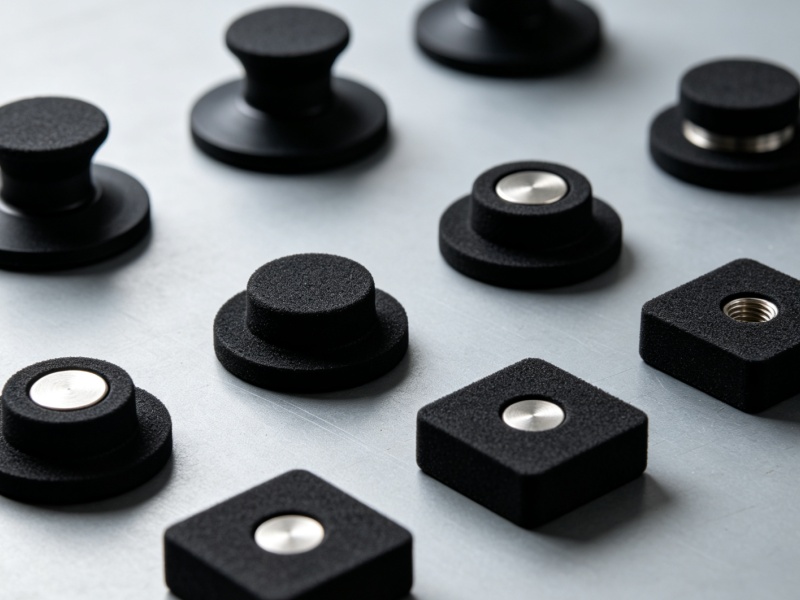
Discover the top 10 trusted pot magnet factories. Richeng, a leading manufacturer in China, offers rubber coated magnet, magnetic pickup tool, magnetic hook.

Discover Richeng, a trusted manufacturer in China for rubber coated magnet, magnetic pickup tool, and magnetic hook.
 EN
EN AR
AR HR
HR CS
CS DA
DA NL
NL FI
FI FR
FR DE
DE EL
EL IT
IT JA
JA KO
KO NO
NO PL
PL PT
PT RU
RU ES
ES SV
SV IW
IW VI
VI TH
TH TR
TR FA
FA MS
MS