
Author: vincent zhang 2026-06-08
Choosing the right pot magnet requires matching mounting style to specific use cases, as each configuration offers distinct advantages for different applications. Pot magnets consist of a permanent magnet encased in a steel shell, which focuses and amplifies magnetic pull force while protecting the magnet material. The mounting style determines installation method, load capacity, and suitability for particular environments. This guide examines how to select pot magnets based on mounting configurations and application requirements.

Pot magnets combine a magnetic core with a steel housing that creates a magnetic circuit. This design concentrates magnetic flux at a single pole face, significantly increasing holding force compared to bare magnets of the same size. The steel pot also provides mechanical protection and allows for various mounting configurations. Common magnet materials include NdFeB (neodymium-iron-boron) for high strength applications and ceramic ferrites for cost-effective solutions.
Mounting styles define how pot magnets attach to surfaces and workpieces. Each style suits different installation requirements and load conditions. Understanding these variations helps ensure proper selection for specific applications.
Cylindrical pot magnets provide the highest pull force per unit size among mounting styles. Their symmetrical design distributes magnetic attraction evenly across the contact surface. These magnets work well in jigs, fixtures, and holding applications where the workpiece surface is flat and clean.
When selecting cylindrical pot magnets, consider the diameter-to-height ratio. Higher ratios provide greater stability against sliding forces. For industrial equipment mounting, explore the detailed selection criteria in our comprehensive guide on How to Choose the Right Pot Magnet for Industrial Equipment that covers force calculations and safety factors.
Countersunk pot magnets accept flathead screws for flush installation, eliminating protrusion above the mounting surface. This feature proves essential in applications where clearance is limited or where protruding hardware creates safety concerns. The countersunk geometry also prevents rotation when under load.
Selecting countersunk pot magnets requires matching the countersink diameter and depth to your screw specifications. Standard sizes include countersinks for M3 through M10 screws. The screw length must penetrate sufficiently into the steel housing to ensure secure attachment without damaging the magnet core.

Threaded stud pot magnets feature extended bolts permanently mounted in the magnet housing. This design enables attachment through pre-drilled holes or using standard nuts and washers. Stud-mounted pot magnets suit temporary installations and applications requiring frequent removal.
Thread specifications vary by manufacturer and load rating. Common thread sizes range from M4 to M16 for industrial applications. Thread length determines maximum material thickness the magnet can engage. Always verify thread shear strength matches your load requirements to prevent failure under stress.
Hook pot magnets integrate suspension hooks with magnetic holding power, creating versatile tools for hanging applications. The steel hook attaches to the magnetic face, directing holding force toward the hook structure. These magnets suit retail displays, workshop organization, and temporary hanging points.
Load capacity for hook pot magnets depends on the magnet size and hook material strength. Never exceed the rated pull force, as hook deformation or magnet separation from the housing can occur. For specialized recovery applications, our How to Choose the Right Fishing Magnet for Underwater Recovery covers magnetic recovery techniques and pull force requirements.
Rectangular pot magnets provide extended contact areas for holding larger workpieces or distributing loads across wider surfaces. Their geometry suits clamping applications where uniform pressure distribution matters. These magnets commonly appear in woodworking jigs, metalworking fixtures, and holding systems for sheet materials.
Rectangular pot magnets offer superior resistance to rotational forces compared to cylindrical designs of equivalent holding force. This stability makes them preferable for applications involving vibration or dynamic loads. Products,Wholesale Products Suppliers and Manufacturers - Richeng to compare dimensions, pull forces, and mounting specifications.
Application requirements should drive mounting style selection. Consider these primary use categories when evaluating options for your specific needs.
| Use Case | Recommended Mounting Style | Key Consideration |
|---|---|---|
| Temporary holding | Threaded stud or magnetic hook | Ease of installation and removal |
| Flush mounting | Countersunk | Low profile requirement |
| Industrial fixtures | Cylindrical or rectangular | Maximum pull force |
| Overhead suspension | Hook pot magnets | Safe working load rating |
| Sheet metal holding | Rectangular | Distributed contact area |
Environmental factors significantly impact pot magnet performance and longevity. Steel housings provide some corrosion resistance, but additional protection may be required in harsh conditions. Surface treatments such as zinc plating, nickel coating, or rubber encapsulation extend service life in demanding environments.
The interaction between strong magnets and mounting surfaces requires careful consideration. The Challenge: Strong Magnets and Surface Integrity - Industry News - Ningbo Richeng Magnetic Material Co., Ltd. can affect both the magnet assembly and the workpiece. Evaluate surface hardness, finish quality, and potential for damage when selecting magnet size and mounting method.
Pull force specifications vary by mounting style even when magnet dimensions remain constant. The steel housing geometry influences magnetic circuit efficiency. Cylindrical pot magnets typically achieve the highest pull force ratings due to optimal flux concentration. Countersunk designs sacrifice some efficiency for mounting convenience but remain highly effective for most applications.
When comparing pull forces, verify that measurements reflect actual holding capacity on workpieces. Some manufacturers quote theoretical maximum values under ideal laboratory conditions. The balance between electroplating corrosion resistance and magnetic pull force. so consider this trade-off when specifying surface treatments.
Proper maintenance extends pot magnet service life and ensures consistent performance. Regular inspection for physical damage, corrosion, and contamination maintains holding force. Clean mounting surfaces remove debris that reduces effective contact area.
Safety Factors and Load Calculations
Professional applications require applying appropriate safety factors to published pull force ratings. Industry standards recommend minimum safety factors of 2:1 to 3:1 for static loads and higher ratios for dynamic or vibration-loaded applications. Never assume the rated pull force represents the safe working load.
While magnets themselves operate independently of digital systems, equipment incorporating magnetic holding may interface with automated systems requiring proper security planning.
Several frequent errors occur when selecting pot magnets for mounting applications. Underestimating shear loads causes premature failure, as pull force ratings measure direct separation rather than sliding resistance. Overlooking surface preparation leads to reduced effective holding force due to contamination or uneven contact.
Ignoring temperature limitations restricts magnet performance in high-heat environments, as neodymium magnets experience significant force reduction above 80°C. Failing to verify thread specifications results in incompatible mounting hardware. Using the wrong mounting style for the application wastes resources and creates safety hazards.
Pot magnet selection requires balancing mounting style capabilities against application requirements. Cylindrical designs maximize pull force for industrial fixtures. Countersunk styles enable flush mounting where clearance matters. Threaded studs provide installation flexibility. Hook configurations serve hanging applications. Rectangular units distribute loads across larger surfaces.
Frequently Asked Questions
Q: What is the strongest mounting style for pot magnets?
Cylindrical pot magnets typically provide the highest pull force per unit size due to optimal magnetic circuit geometry and flux concentration.
Q: Can pot magnets be used outdoors?
Yes, but select models with appropriate corrosion protection such as rubber coatings, stainless steel housings, or specialized plating for moisture resistance.
Q: How do I calculate the correct safety factor for my application?
Industry standards recommend minimum safety factors of 2:1 for static loads and 3:1 or higher for dynamic or vibrating applications. Consult equipment-specific standards for precise requirements.
Q: What surface preparation is required for pot magnet installation?
Mounting surfaces must be clean, flat, and ferromagnetic. Remove paint, oil, rust, and debris. Surface roughness below Ra 3.2µm ensures optimal contact and holding force.
Q: How do temperature extremes affect pot magnet performance?
Neodymium pot magnets lose holding force as temperature increases, with significant reduction above 80°C. Ceramic magnets offer better high-temperature stability but lower baseline force.
Ningbo Richeng Magnetic Material Co., Ltd. is a leading enterprise specializing in the design, production and sales of NdFeB permanent magnet materials. Richeng is located in Ningbo, the magnetic capital of China with convenient transportation. Combining independent design, production and import and export capabilities, Richeng provides high-quality magnetic components and tools.

Explore the top 9 reliable heavy-duty fishing magnet manufacturers in China, including Richeng, for effective metal debris recovery.
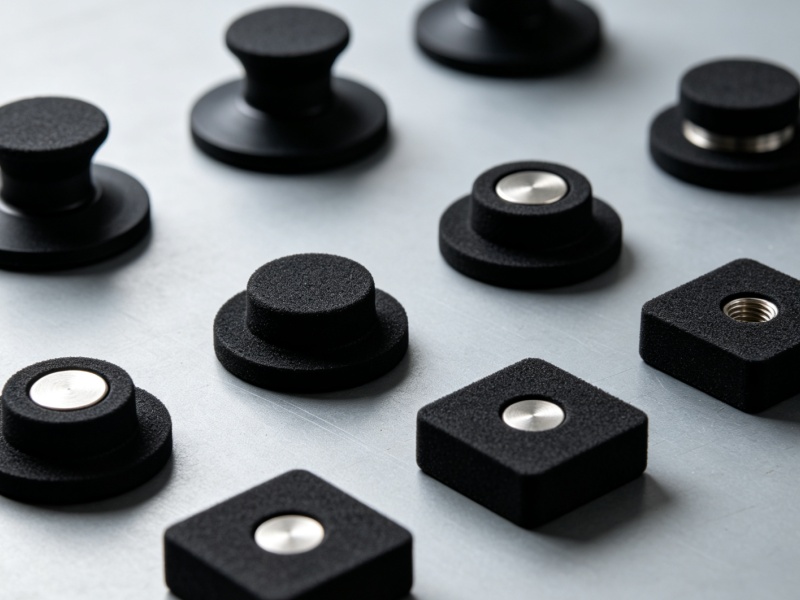
Discover the top 10 trusted pot magnet factories. Richeng, a leading manufacturer in China, offers rubber coated magnet, magnetic pickup tool, magnetic hook.
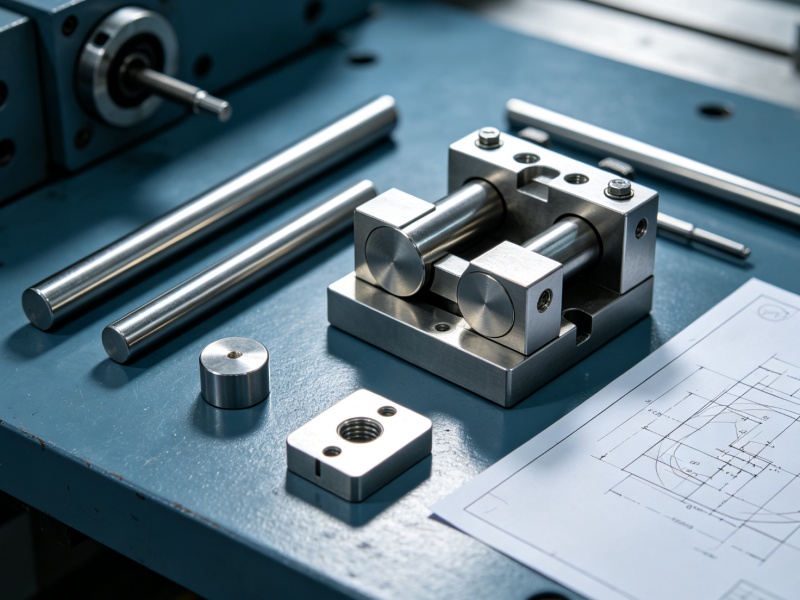
Discover Richeng, a trusted manufacturer in China for rubber coated magnet, magnetic pickup tool, and magnetic hook.
 EN
EN AR
AR HR
HR CS
CS DA
DA NL
NL FI
FI FR
FR DE
DE EL
EL IT
IT JA
JA KO
KO NO
NO PL
PL PT
PT RU
RU ES
ES SV
SV IW
IW VI
VI TH
TH TR
TR FA
FA MS
MS