
Author: vincent zhang 2026-06-05
Countersunk pot magnets are specialized magnetic assemblies that combine a powerful neodymium magnet with a steel housing featuring a tapered mounting hole. These magnets are used for applications requiring secure, flush mounting with exceptional holding force in industrial, commercial, and residential settings. Understanding their mechanism and applications helps engineers and designers select the right magnetic solution for their specific requirements.

A countersunk pot magnet consists of three primary components. The inner magnet is typically a grade N42 or N52 neodymium magnet that provides the core magnetic field. This magnet is housed within a precision-machined steel cup that directs and amplifies the magnetic flux. The countersunk hole allows flush installation with flat-head screws, creating a clean and professional appearance while maximizing contact surface area. View our complete product catalog for available configurations.
The steel housing serves multiple critical functions in pot magnet design. It focuses the magnetic field lines toward the working face, effectively multiplying the holding force compared to bare magnets of equivalent size. The housing also provides mechanical protection for the brittle neodymium magnet inside, shielding it from impact damage and physical stress during handling or operation. To learn more about the challenge of strong magnets and surface integrity, consult our technical resources.
The operating principle of pot magnets relies on magnetic circuit optimization. When a neodymium magnet is placed inside a steel cup with one open face, the magnetic flux is channeled through the steel housing and concentrated at the exposed surface. This concentration effect can increase holding force by 2-4 times compared to the same magnet used without a housing.
The countersunk geometry adds practical mounting advantages to this magnetic concentration principle. The tapered hole accepts standard flat-head screws, enabling flush mounting against any ferrous surface. When the screw is tightened, it pulls the magnet assembly flat against the mounting surface, eliminating air gaps that would reduce holding force. This direct metal-to-metal contact maintains optimal magnetic performance throughout the assembly's service life. Understanding the balance between electroplating corrosion resistance and magnetic pull force is essential for optimal performance.
Countersunk pot magnets serve diverse industrial and commercial functions across multiple sectors. Manufacturing facilities use these magnets for tool holding, fixture clamping, and automated assembly line positioning systems. The consistent holding force and reliable flush mounting make them ideal for repetitive manufacturing processes requiring precise magnetic engagement.
The signage and display industry relies heavily on countersunk pot magnets for temporary and permanent installations. Retail environments use magnetic display systems that can be reconfigured without drilling or adhesive damage to walls. Exhibition booths employ these magnets for modular booth construction that requires tool-free assembly and disassembly. Audio equipment manufacturers integrate countersunk pot magnets into speaker grill mounting systems for easy service access.
Fishing magnet operations represent another significant application area. While standard fishing magnets use different mounting configurations, understanding how magnetic recovery systems work helps inform proper magnet selection for underwater retrieval applications. Users should consult specialized guides on how to choose the right fishing magnet for underwater recovery and learn about what fishing magnets are and how magnetic recovery works to ensure safe and effective operation in aquatic environments.
Countersunk pot magnets are manufactured in various configurations to suit different requirements. Standard countersunk magnets feature a single countersunk hole centered on the magnetic face. Double countersunk variants include two mounting holes for increased stability and resistance to torque forces. Channel pot magnets incorporate recessed mounting areas that protect the screw heads from accidental contact.
Magnet material grades significantly impact performance characteristics. Neodymium magnets are rated using the N-grade scale, where higher numbers indicate greater magnetic energy product. Grade N42 offers a good balance of cost and performance for most industrial applications. High-performance N52 magnets provide approximately 10-15% greater holding force but at higher material costs.
Protecting neodymium magnets from environmental degradation is essential for long-term performance. The neodymium material is susceptible to corrosion when exposed to moisture, making surface treatment a critical consideration for outdoor and humid environments. Electroplating with zinc or nickel provides a protective barrier against oxidation while maintaining magnetic conductivity. For comprehensive information on extending product life with anti-rust treatment and sacrificial anode protection, review our technical documentation.
Surface treatment selection involves balancing corrosion resistance against magnetic performance. Thicker plating layers offer superior protection but may slightly reduce the effective air gap between the magnet and the working surface. Manufacturers must carefully optimize electroplating processes to maintain the critical balance between corrosion resistance and magnetic pull force in pot magnet assemblies.
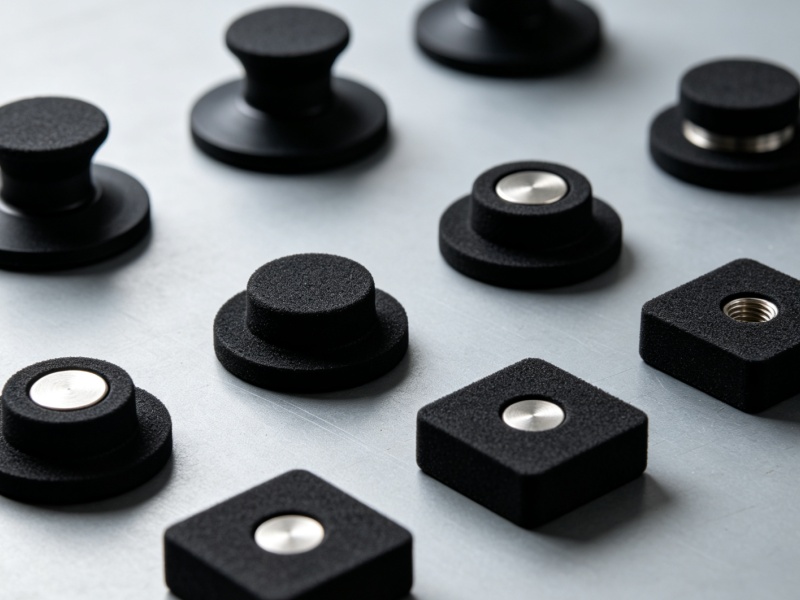
Rubber coating represents an alternative protection method that offers additional benefits beyond corrosion resistance. Rubber-coated pot magnets provide grip and friction that prevents sliding on smooth surfaces, protects delicate workpieces from scratching, and provides electrical insulation. These coated variants are popular for signage and display applications where surface protection is paramount.
Multiple variables influence the actual holding force achieved in practical applications. The quality of contact between the magnet face and the mounting surface directly impacts performance. Any paint, coating, or irregularity on the mounting surface creates an air gap that significantly reduces magnetic field strength at the interface. The interaction between strong magnets and surface integrity determines overall holding force.
Temperature affects both magnet performance and structural integrity. Neodymium magnets experience force reduction at elevated temperatures, with typical permanent magnets losing approximately 0.1% of their strength per degree Celsius above room temperature. Maximum operating temperatures range from 80°C for standard grades to 200°C for specialized high-temperature variants.
Choosing the appropriate countersunk pot magnet requires evaluating several technical parameters. First, determine the required holding force based on the specific application load, including safety factors for dynamic loads or vibrations. Engineers typically recommend selecting magnets with 2-3 times the calculated working load to ensure reliable performance under adverse conditions. For detailed guidance, refer to our article on how to choose the right pot magnet for industrial equipment.
Mounting configuration requirements should guide the selection of countersunk hole diameter and spacing. Standard hole sizes range from 4mm to 10mm, corresponding to common flat-head screw sizes. Double-countsunk configurations require careful attention to hole spacing to ensure proper alignment during installation.
Environmental conditions dictate material and coating requirements. Indoor applications in controlled environments may function adequately with standard zinc-plated finishes. Outdoor exposure or humid conditions demand nickel plating or rubber coating for adequate corrosion protection. Chemical environments require specialized coatings or alternative magnet materials resistant to specific corrosive agents. The NIST cybersecurity starting point provides guidance on securing industrial equipment supply chains.
Proper installation techniques maximize the performance and longevity of countersunk pot magnets. The mounting surface must be clean, flat, and composed of ferrous material capable of conducting magnetic flux. Non-ferrous surfaces like aluminum, stainless steel, or plastic cannot complete the magnetic circuit and will not support effective holding force.
When installing, position the countersunk pot magnet and mark the screw hole location accurately. Pre-drilling pilot holes prevents the screw from damaging the magnet housing during tightening. Use appropriate screw length to ensure full engagement without bottoming out against the magnet, which could cause housing deformation.
Torque specifications should be followed carefully to prevent over-tightening. Excessive clamping force can compress the steel housing, reducing the air gap that concentrates magnetic flux. This compression permanently degrades magnetic performance and may damage the internal magnet material. Hand tightening with a standard screwdriver typically provides adequate clamping force for most applications.
Regular inspection of installed pot magnets identifies potential degradation before failure occurs. Visual examination should check for surface oxidation, coating damage, or physical deformation. Holding force testing with calibrated equipment provides quantitative performance data for critical applications where magnetic strength directly affects safety.
Handling strong neodymium pot magnets requires appropriate safety precautions. Powerful magnets can cause crushing injuries when two magnets snap together, particularly concerning with larger assemblies exceeding 10kg holding force. Persons with pacemakers should maintain distance from strong magnetic fields as specified by medical device guidelines. Electronic equipment sensitive to magnetic fields should be kept away from magnet storage and installation areas.
Storage of spare pot magnets requires separation to prevent accidental attraction damage. Individual cardboard spacers or specialized magnet keepers maintain safe distances between stored magnets. Steel shelves or containers should be avoided unless specifically designed for magnet storage, as unintended attraction could cause personal injury or property damage. Following search engine optimization best practices from Wikipedia can help you find additional safety guidelines and industry resources.
Countersunk pot magnets combine powerful neodymium magnetic technology with practical mounting solutions for diverse industrial and commercial applications. Understanding their construction, operating principles, and selection criteria enables proper implementation in engineering projects. Appropriate installation techniques and maintenance practices ensure reliable long-term performance while preventing damage or safety incidents.
Pot magnets contain a neodymium magnet inside a steel housing that concentrates and directs magnetic flux toward one face. This design can increase holding force by 2-4 times compared to a bare magnet of equivalent size. The steel housing also provides mechanical protection and enables flush mounting through countersunk holes.
Yes, countersunk pot magnets can be used outdoors when properly specified with corrosion-resistant coatings. Zinc or nickel electroplating provides protection for moderate exposure, while rubber coating offers excellent weather resistance for extended outdoor service. Standard uncoated pot magnets should not be used outdoors due to neodymium corrosion susceptibility.
Holding force varies by magnet size and grade, typically ranging from 5kg to over 200kg for industrial-grade assemblies. Actual load capacity depends on surface contact quality, temperature conditions, and whether the load applies shear or direct pull force. Shear loads typically support 15-25% of the stated pull force.
Countersunk pot magnets require ferromagnetic surfaces capable of conducting magnetic flux. Suitable materials include mild steel, carbon steel, and cast iron. Ineffective surfaces include aluminum, stainless steel (non-magnetic grades), brass, copper, plastic, and wood. Surface flatness and thickness also affect achievable holding force.
Removal is best accomplished by loosening the mounting screw and sliding the magnet sideways off the mounting surface. Pulling the magnet straight away from a ferrous surface can be difficult and dangerous due to strong attraction forces. Sliding motion reduces the magnetic circuit, making separation much easier and safer.
Ningbo Richeng Magnetic Material Co., Ltd. is a leading enterprise specializing in the design, production and sales of NdFeB permanent magnet materials. Richeng is located in Ningbo, the magnetic capital of China with convenient transportation. Combining independent design, production and import and export capabilities, Richeng provides high-quality magnetic components and tools.

Explore the top 9 reliable heavy-duty fishing magnet manufacturers in China, including Richeng, for effective metal debris recovery.
Discover the top 10 trusted pot magnet factories. Richeng, a leading manufacturer in China, offers rubber coated magnet, magnetic pickup tool, magnetic hook.

Discover Richeng, a trusted manufacturer in China for rubber coated magnet, magnetic pickup tool, and magnetic hook.
 EN
EN AR
AR HR
HR CS
CS DA
DA NL
NL FI
FI FR
FR DE
DE EL
EL IT
IT JA
JA KO
KO NO
NO PL
PL PT
PT RU
RU ES
ES SV
SV IW
IW VI
VI TH
TH TR
TR FA
FA MS
MS