Author: vincent zhang 2026-06-09
Pot magnet technology continues to evolve in 2026, offering enhanced magnetic performance, improved corrosion resistance, and diverse industrial applications. Understanding the latest developments in pot magnet design, materials, and surface treatments helps engineers and procurement professionals select the right magnetic solutions for demanding environments.
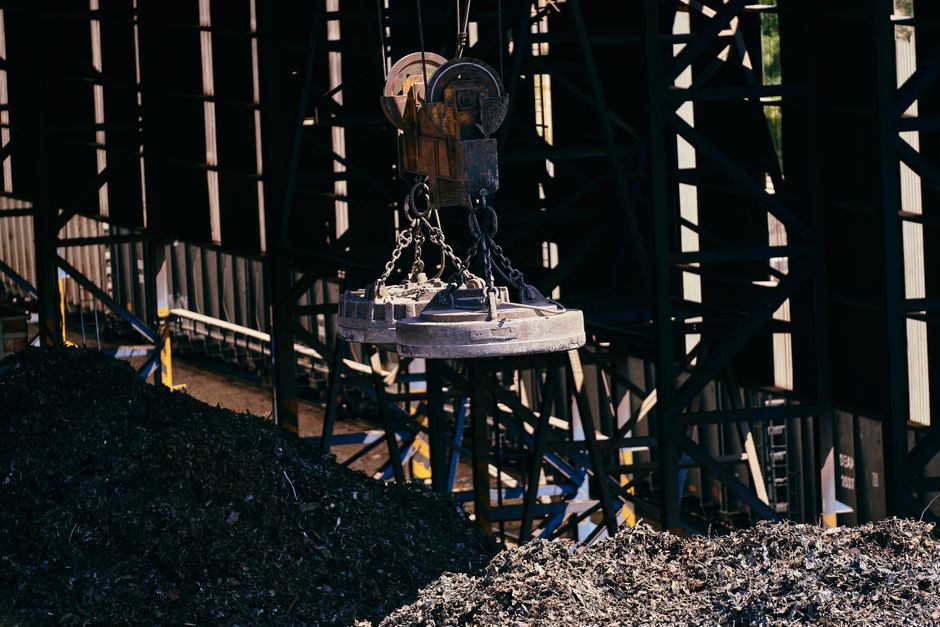
A pot magnet consists of a powerful permanent magnet, typically NdFeB (neodymium-iron-boron), encased in a steel cup or pot. The steel housing concentrates the magnetic flux, directing it toward a single pole face and significantly increasing the effective pull force. This design makes pot magnets ideal for applications requiring strong, reliable attachment to ferromagnetic surfaces.
The steel cup serves multiple functions in pot magnet assemblies. It protects the internal magnet from physical damage, enhances magnetic performance through flux concentration, and provides a mounting surface for attachment. Modern pot magnets often incorporate additional features such as threaded studs, countersunk holes, or mounting brackets for versatile installation options.
The pot magnet market offers several distinct categories suited to different applications. Understanding these types helps buyers make informed purchasing decisions.
Explore Richeng's comprehensive product catalog, including rubber coated magnets and various pot magnet configurations for specific industrial needs.
Surface treatment plays a critical role in pot magnet performance and longevity. Without proper protection, NdFeB magnets degrade rapidly in humid or corrosive environments. Modern surface treatments address these challenges while maintaining magnetic pull force.
Electroplating remains the most common surface treatment for pot magnets. Zinc and nickel coatings provide reliable corrosion resistance for indoor applications. The balance between electroplating corrosion resistance and magnetic pull force requires careful consideration of coating thickness and application requirements.
Alternative coatings include epoxy resin for chemical resistance, parylene for uniform coverage without adding significant thickness, and specialized alloys for extreme environments. The choice of surface treatment depends on factors including operating temperature, exposure to chemicals, humidity levels, and required service life.
Pot magnets serve diverse industrial sectors, from manufacturing and construction to marine and automotive applications. Selecting the right pot magnet for industrial equipment requires evaluating several key parameters.

When choosing pot magnets for industrial equipment, consider these selection factors:
How to Choose the Right Pot Magnet for Industrial Equipment by comparing holding force ratings, environmental specifications, and mounting options.
The Challenge: Strong Magnets and Surface Integrity present ongoing challenges in pot magnet applications. Physical handling, installation stress, and environmental exposure can compromise magnet performance over time.
Extending product life with anti-rust treatment and sacrificial anode protection offers effective solutions for harsh environments. These methods add layers of protection that corrode preferentially, preserving the underlying magnet and steel housing. Implementing these protective measures early in the design phase reduces long-term maintenance costs and prevents unexpected equipment failures.
Impacts, extreme temperatures, and exposure to aggressive chemicals can cause demagnetization or coating failure. Regular inspection protocols help identify degradation before it affects application performance.
Fishing magnets represent a specialized application of pot magnet technology designed for underwater recovery operations. These magnets feature powerful pull forces combined with durable construction suitable for submerged use.
What Is a Fishing Magnet and How Does Magnetic Recovery Work? for underwater retrieval of metallic objects. Fishing magnet designs typically incorporate reinforced housings, corrosion-resistant coatings, and secure attachment points for retrieval ropes or cables. The key components include the magnet assembly, protective housing, and connection hardware.
International standards guide pot magnet manufacturing and testing, ensuring consistent quality across the industry. Understanding these standards helps buyers evaluate product quality and supplier capabilities.
The ISO 9001 quality management standard provides a framework for magnet manufacturers to demonstrate consistent quality in production processes. For specific applications, industry-specific standards may apply, such as automotive quality requirements or marine equipment certifications.
When evaluating pot magnet suppliers, request documentation of testing procedures, material certifications, and quality control records. Reputable manufacturers provide detailed specifications including pull force measurements under standard conditions, temperature coefficients, and coating adhesion test results. Organizations focusing on cybersecurity best practices also emphasize quality standards that can be applied to industrial magnet procurement.
Pot magnet technology continues advancing through material improvements and manufacturing innovations. Emerging trends shape the industry in 2026 and beyond. These developments are often discussed in technical articles and industry resources covering magnetic technology advancements.
Material science advances yield improved magnet alloys with higher coercivity, reducing susceptibility to demagnetization at elevated temperatures. These developments expand the range of high-temperature applications where pot magnets can operate reliably.
Manufacturing precision improvements enable tighter tolerances in pot magnet dimensions, supporting automated assembly processes and improving product consistency. Computer-aided design tools now optimize pot geometries for specific applications, balancing magnetic performance against material costs and weight.
Sustainable manufacturing practices gain importance in the magnet industry. Recycling programs for NdFeB magnets recover rare earth materials, reducing dependence on primary mining. Surface treatment processes increasingly employ environmentally responsible methods that minimize hazardous waste.
Frequently Asked Questions
What is the maximum pull force available from commercial pot magnets?
Commercial pot magnets achieve pull forces exceeding 500 kg for large neodymium units. Standard ranges from 1 kg to 200 kg cover most industrial applications, with specialized high-force magnets available for demanding uses.
How long do pot magnets last in outdoor environments?
With proper surface treatment, pot magnets maintain performance for 10-20 years in outdoor environments. Epoxy-coated and rubber-coated variants offer extended service life in marine or chemical exposure applications.
Can pot magnets demagnetize over time?
Modern NdFeB pot magnets exhibit minimal demagnetization under normal operating conditions, typically less than 1% loss over 10 years. High temperatures and external magnetic fields accelerate demagnetization rates.
What temperature range can pot magnets tolerate?
Standard neodymium pot magnets operate reliably from -40°C to 80°C. High-temperature grades extend this range to 150°C or higher with reduced pull force ratings at elevated temperatures.
How do I safely handle pot magnets during installation?
Handle pot magnets with care to prevent impact damage. Keep magnets away from electronic devices and magnetic storage media. Use appropriate tools for separation when magnets are attracting, and wear protective gloves to prevent pinching injuries.
Pot magnet technology in 2026 offers enhanced performance, improved durability, and diverse configurations for industrial applications. Understanding the available types, surface treatment options, and selection criteria enables informed purchasing decisions. By considering environmental factors, load requirements, and industry standards, professionals can identify pot magnet solutions that deliver reliable, long-term performance in their specific applications.
Ningbo Richeng Magnetic Material Co., Ltd. is a leading enterprise specializing in the design, production and sales of NdFeB permanent magnet materials. Richeng is located in Ningbo, the magnetic capital of China with convenient transportation. Combining independent design, production and import and export capabilities, Richeng provides high-quality magnetic components and tools.

Explore the top 9 reliable heavy-duty fishing magnet manufacturers in China, including Richeng, for effective metal debris recovery.
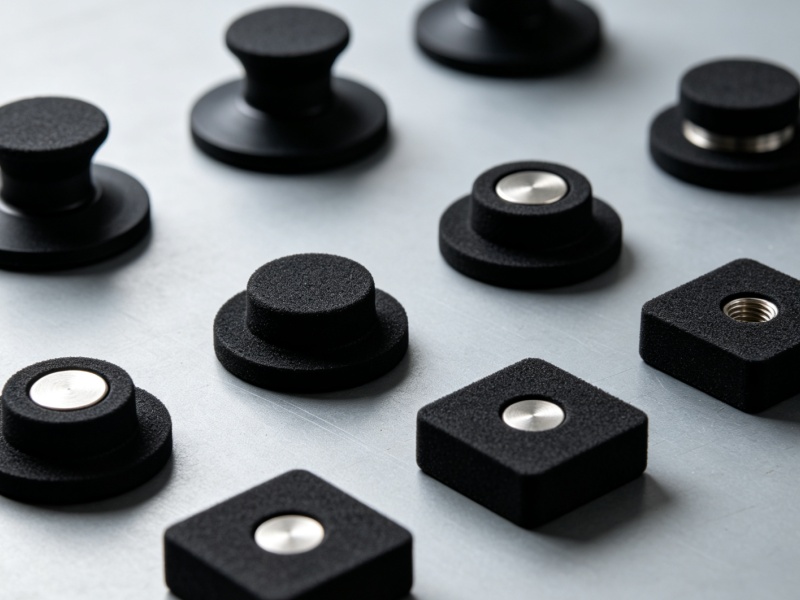
Discover the top 10 trusted pot magnet factories. Richeng, a leading manufacturer in China, offers rubber coated magnet, magnetic pickup tool, magnetic hook.
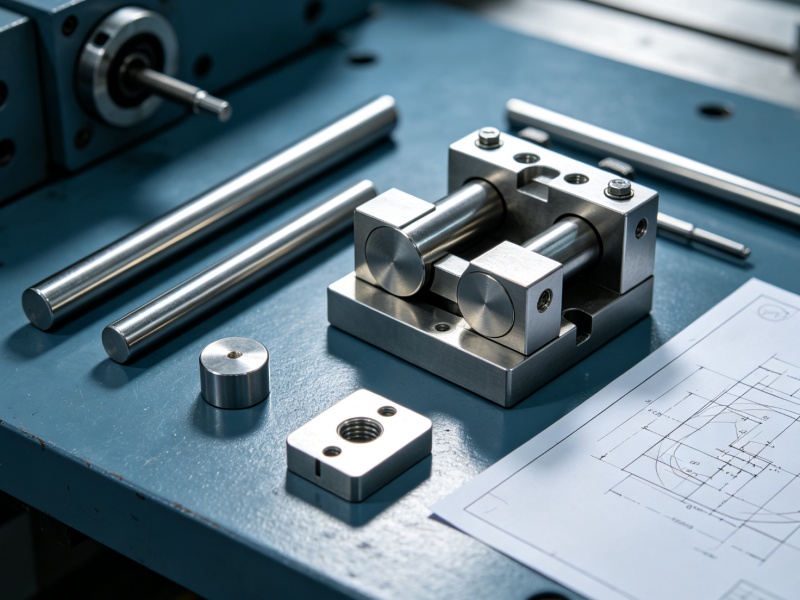
Discover Richeng, a trusted manufacturer in China for rubber coated magnet, magnetic pickup tool, and magnetic hook.
 EN
EN AR
AR HR
HR CS
CS DA
DA NL
NL FI
FI FR
FR DE
DE EL
EL IT
IT JA
JA KO
KO NO
NO PL
PL PT
PT RU
RU ES
ES SV
SV IW
IW VI
VI TH
TH TR
TR FA
FA MS
MS