
Author: vincent zhang 2026-06-09
When selecting magnetic solutions for industrial or commercial applications, understanding the fundamental differences between pot magnets and neodymium magnets is essential for making cost-effective decisions. Pot magnets and neodymium magnets represent two distinct categories with unique performance characteristics, cost structures, and environmental tolerances that directly impact their suitability for specific use cases. This comprehensive guide examines the technical specifications, practical applications, and selection criteria to help engineers, procurement specialists, and hobbyists determine which magnet type best addresses their requirements.

A pot magnet consists of a permanent magnet, typically ferrite or neodymium, encased within a steel cup or housing. The steel shell serves as a magnetic circuit that concentrates and directs the magnetic field, resulting in enhanced pull force on the contact surface while minimizing stray magnetic radiation. Pot magnets are available in various configurations including cylindrical, rectangular, and hook-shaped designs, each optimized for specific mounting and holding applications.
The steel housing provides natural protection against physical damage and environmental exposure. This design approach makes pot magnets particularly suitable for applications requiring secure attachment to ferromagnetic surfaces. The encased construction also prevents chipping or fracturing that could occur with exposed magnet materials under mechanical stress.
Neodymium magnets, composed of an alloy of neodymium, iron, and boron (NdFeB), represent the strongest type of permanent magnet commercially available today. These magnets generate magnetic fields approximately ten times stronger than conventional ferrite magnets, enabling significant size reductions in applications where magnetic strength is the primary concern. According to www.iso.org standards for magnetic materials, neodymium magnets are classified among the rare-earth magnet family with superior energy product ratings.
The exceptional magnetic strength of neodymium magnets comes with specific operational requirements. These magnets are susceptible to corrosion when exposed to moisture and can lose their magnetic properties if subjected to temperatures exceeding their grade-specific Curie temperature. Surface treatments such as nickel plating, epoxy coating, or rubber encapsulation are commonly applied to enhance durability and corrosion resistance.
The primary distinction between pot magnets and neodymium magnets lies in their structural configuration and magnetic circuit design. Pot magnets utilize an external steel housing that channels magnetic flux, while neodymium magnets rely on their raw magnetic material properties. This fundamental difference creates distinct performance profiles that suit different operational environments.
Pot magnets excel in applications requiring safe, controlled magnetic fields with easy mounting options. The steel housing prevents direct contact between the magnet and the work surface, eliminating scratching while providing a stable attachment point. Neodymium magnets offer maximum magnetic strength in minimal space but require careful handling and appropriate protective coatings for safe deployment.
When comparing pull force performance, the relationship between magnet type and housing configuration becomes critical. A neodymium magnet of equivalent volume to the internal magnet within a pot magnet will typically generate higher raw pull force. However, pot magnets often achieve superior practical holding force due to the magnetic circuit concentrating flux through a specific contact area.

The effective pull force of a pot magnet depends on the thickness and composition of the steel housing, the quality of the internal magnet, and the air gap between the magnet and target surface. Industrial applications requiring consistent holding force often benefit from pot magnet designs that provide predictable performance across varying conditions.
Environmental factors significantly influence magnet selection for outdoor or harsh industrial environments. The steel housing of pot magnets provides inherent corrosion resistance compared to uncoated neodymium magnets. When additional protection is required, both magnet types benefit from specialized surface treatments that extend operational lifespan.
Selecting the appropriate surface treatment involves balancing corrosion resistance against magnetic performance. Thicker coating layers may protect better against moisture penetration but can increase the effective air gap, slightly reducing pull force. Understanding this trade-off is essential for applications requiring both durability and maximum holding strength.
Temperature variations affect the magnetic properties of both pot magnets and neodymium magnets differently. Neodymium magnets are available in various grade ratings that specify maximum operating temperatures, ranging from standard grades handling up to 80°C to high-temperature grades capable of operating at 200°C or higher. The steel housing of pot magnets can provide some thermal insulation for the internal magnet, though the overall temperature limits depend primarily on the internal magnet composition.
For applications involving temperature cycling or sustained exposure to elevated temperatures, careful grade selection becomes essential.
Understanding typical applications helps clarify when each magnet type offers superior performance. Pot magnets are commonly deployed in manufacturing equipment, signage mounting, warehouse organization systems, and temporary holding fixtures. Their self-contained design simplifies installation and removal without specialized tools or mounting hardware.
Neodymium magnets dominate applications where maximum magnetic strength in minimum dimensions is the primary requirement. Consumer electronics, electric motors,wind turbine generators, medical devices, and high-performance audio equipment rely on neodymium magnet technology. The ability to achieve equivalent magnetic strength in substantially smaller packages makes neodymium magnets indispensable for portable devices and weight-sensitive applications.
Fishing magnet applications represent a specialized category where both magnet types find use. The selection between pot and neodymium fishing magnets depends on retrieval depth, target objects, and environmental conditions. Understanding the specific requirements helps optimize magnet selection for underwater recovery operations.
Cost analysis for magnet selection must account for both initial purchase price and total ownership expenses. Neodymium magnets typically command higher per-unit prices due to rare-earth material costs and manufacturing complexity. However, the superior magnetic strength may allow using fewer magnets or smaller sizes to achieve equivalent performance, potentially offsetting higher unit costs.
Pot magnets often provide better value for applications requiring moderate holding force with reliable, consistent performance. The integrated housing eliminates the need for separate mounting hardware and protective accessories. For large-scale deployments in industrial settings, the labor savings from simplified installation can significantly impact total project cost.
Selecting between pot magnets and neodymium magnets requires systematic evaluation of application requirements. The following factors should guide the decision-making process for industrial equipment applications:
For applications requiring frequent repositioning or temporary installations, pot magnets offer practical advantages in handling and surface protection. Permanent installations in controlled environments may benefit from the maximum strength density of neodymium magnets with appropriate protective coatings.
Proper maintenance practices extend magnet service life regardless of type. Pot magnets with steel housings resist physical damage but may accumulate debris in the housing cavity over time. Regular inspection for contamination and cleaning of mounting surfaces ensures consistent performance throughout the operational lifespan.
Neodymium magnets require more attentive maintenance due to their susceptibility to corrosion and physical damage. Surface coating integrity should be inspected regularly, particularly in applications involving moisture exposure or mechanical stress. Replacing damaged coatings promptly prevents oxidation of the underlying magnetic material and permanent loss of magnetic properties.
Anti-rust treatments and protective measures significantly extend magnet service life in challenging environments. The specific treatment approach depends on the magnet type, operating conditions, and required durability standards for the application. Our article on Extending product life with anti-rust treatment and sacrificial anode protection - Industry News - Ningbo Richeng Magnetic Material Co., Ltd. provides comprehensive guidance on protecting your magnetic investments.
The choice between pot magnets and neodymium magnets depends ultimately on specific application requirements, environmental conditions, and performance priorities. Pot magnets offer practical advantages for applications requiring reliable holding force, easy installation, and surface protection in moderate environmental conditions. Neodymium magnets provide maximum magnetic strength for size-critical applications where space constraints and weight reduction are primary concerns.
Careful evaluation of holding force requirements, environmental exposure, temperature conditions, and budget constraints guides optimal magnet selection. For most industrial equipment mounting applications, pot magnets represent the practical choice, while neodymium magnets excel in applications demanding maximum magnetic energy density. Understanding these fundamental differences enables informed decisions that optimize both performance and cost-effectiveness.
Can pot magnets be used outdoors?
Yes, pot magnets with appropriate corrosion protection are suitable for outdoor applications. Selecting models with sealed housings or additional protective coatings ensures reliable performance when exposed to weather conditions.
Are neodymium magnets stronger than pot magnets?
Raw neodymium magnets generate stronger magnetic fields per unit volume than the internal magnets within pot magnets. However, pot magnet designs often achieve comparable or superior practical holding force due to magnetic circuit concentration through the steel housing.
How long do neodymium magnets last?
Neodymium magnets can maintain their magnetic properties for decades under proper conditions. With appropriate surface protection and within rated temperature limits, these magnets demonstrate essentially permanent magnetism without significant degradation.
Can I use pot magnets for fishing magnet applications?
Pot magnets can function effectively for certain fishing magnet applications, particularly for retrieving ferromagnetic objects from shallow depths. The steel housing provides durability against impact and abrasion during retrieval operations.
What surface treatments are available for corrosion protection?
Common surface treatments include nickel plating, zinc plating, epoxy coating, rubber encapsulation, and plastic housing. The selection depends on environmental conditions, required durability, and cost considerations for the specific application.
Ningbo Richeng Magnetic Material Co., Ltd. is a leading enterprise specializing in the design, production and sales of NdFeB permanent magnet materials. Richeng is located in Ningbo, the magnetic capital of China with convenient transportation. Combining independent design, production and import and export capabilities, Richeng provides high-quality magnetic components and tools.

Explore the top 9 reliable heavy-duty fishing magnet manufacturers in China, including Richeng, for effective metal debris recovery.
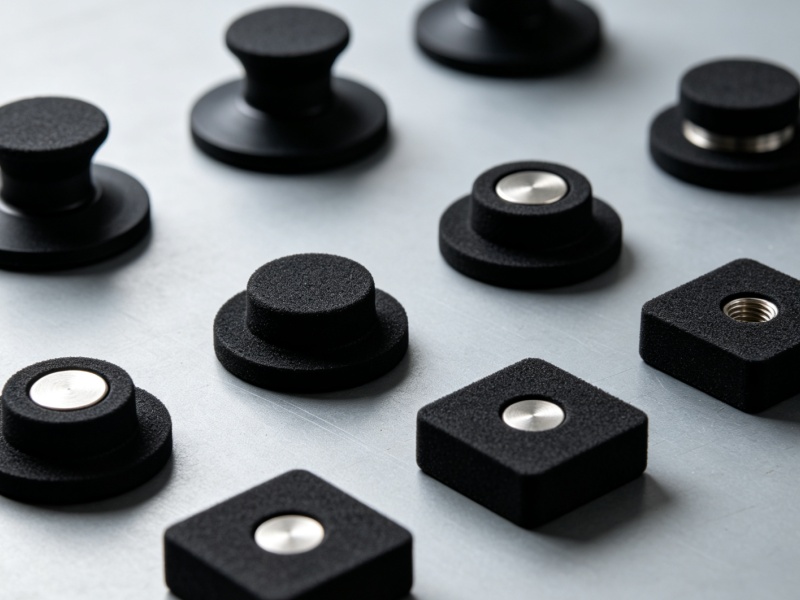
Discover the top 10 trusted pot magnet factories. Richeng, a leading manufacturer in China, offers rubber coated magnet, magnetic pickup tool, magnetic hook.
Discover Richeng, a trusted manufacturer in China for rubber coated magnet, magnetic pickup tool, and magnetic hook.
 EN
EN AR
AR HR
HR CS
CS DA
DA NL
NL FI
FI FR
FR DE
DE EL
EL IT
IT JA
JA KO
KO NO
NO PL
PL PT
PT RU
RU ES
ES SV
SV IW
IW VI
VI TH
TH TR
TR FA
FA MS
MS