
Author: vincent zhang 2026-06-12
Custom pot magnet manufacturing cost encompasses material expenses, tooling fees, surface treatment, and minimum order quantity requirements that determine the total investment for buyers. Understanding these cost components helps procurement teams budget accurately for industrial magnetic solutions. This guide breaks down every factor affecting pricing in custom pot magnet production.

Pot magnet pricing splits into three primary categories: raw material costs, manufacturing processing fees, and overhead allocation. Raw materials include NdFeB magnet material, steel casing, and bonding agents. Manufacturing processing covers machining, assembly, and quality inspection steps. Overhead allocation includes facility maintenance, equipment depreciation, and administrative expenses distributed across production runs.
The ISO 9001 quality management standard influences cost structure by mandating documented processes and inspection protocols. Manufacturers following these standards typically charge 8-15% more than non-certified producers. This premium reflects consistent quality assurance and traceability documentation required for industrial buyers.
NdFeB material grade directly determines magnetic performance and cost. Grade N35 represents the baseline with lower remanence at 11.7-12.1 kGs. Premium grades like N52 offer maximum energy product at 48-52 MGOe but cost 40-60% more than standard grades. Buyers must balance required magnetic pull force against budget constraints. For businesses looking to optimize their online presence while sourcing industrial components, understanding search engine optimization basics can help buyers find qualified manufacturers more effectively.
Steel casing material selection affects both cost and corrosion resistance. Cold-rolled steel provides basic protection at lowest cost. Stainless steel options resist corrosion but increase unit price by 25-35%. Rubber coating adds $0.15-0.40 per unit for outdoor and marine environments. Manufacturers must also consider cybersecurity considerations for manufacturing operations when integrating digital systems into their production workflows.
Custom pot magnet manufacturing requires dedicated tooling for steel casings and assembly fixtures. Tooling fees typically range from $500 to $5,000 depending on complexity. Simple cylindrical designs cost less than $1,000. Intricate multi-polar configurations with custom geometries may require $3,000-5,000 in tooling investment.
Setup fees cover machine configuration, calibration, and initial test runs. Production runs under 500 units carry higher per-unit setup costs. Buyers should evaluate total cost including setup fees when comparing quotes. Design for accessibility should also be considered during product development to ensure
Surface treatment protects pot magnets from corrosion and enhances durability in harsh environments. Electroplating with zinc or nickel provides basic protection at $0.10-0.25 per unit. Epoxy coating offers superior corrosion resistance for outdoor applications at $0.20-0.40 per unit. The balance between electroplating corrosion resistance and magnetic pull force requires careful consideration during specification.
PVD coating provides premium durability with minimal thickness impact on magnetic gap. This treatment costs $0.35-0.60 per unit but extends service life significantly in aggressive environments. Extending product life with anti-rust treatment and sacrificial anode protection demonstrates advanced coating technologies available for demanding applications.
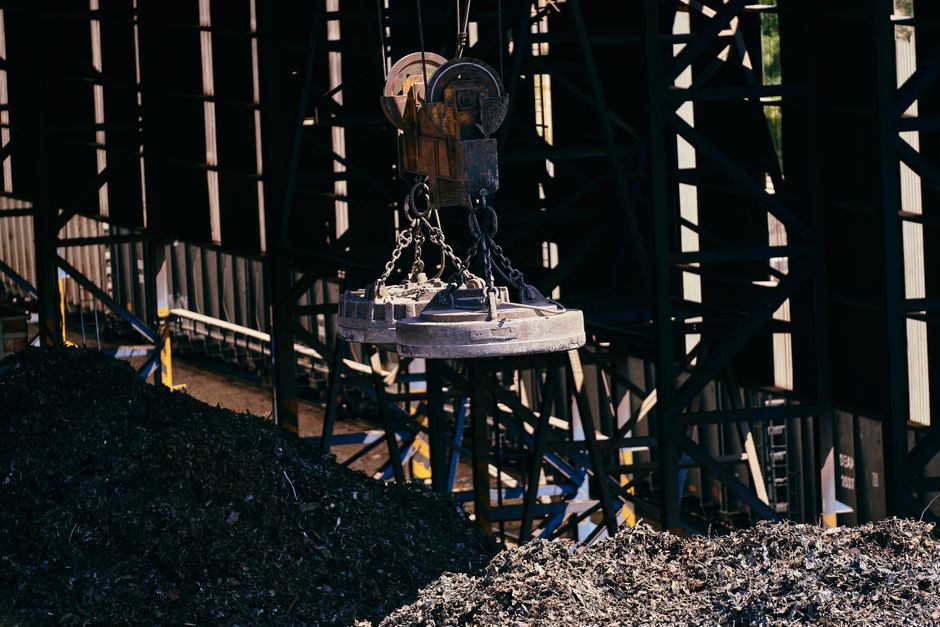
MOQ for custom pot magnets typically ranges from 100 to 1,000 units depending on manufacturer and design complexity. Standard catalog pot magnets may have MOQ as low as 50 units. Custom configurations with unique tooling often require minimum orders of 500-1,000 pieces. Some manufacturers accept smaller runs with premium pricing.
Factors influencing MOQ include machine setup time, material waste, and quality control requirements. Automated production lines favor higher volumes to maximize efficiency. Manual assembly operations can accommodate smaller batches but may charge premium rates. Understanding product specifications and capabilities helps buyers select appropriate manufacturers.
Negotiation leverage increases with consistent ordering patterns and long-term partnerships.Lead time affects pricing through inventory carrying costs and production scheduling efficiency. Standard lead times of 2-3 weeks carry base pricing. Expedited orders with 1-week turnaround typically incur 20-30% rush fees. Planning orders in advance reduces premium charges and improves production scheduling for manufacturers.
Quality inspection adds cost but prevents field failures and returns. Standard testing includes pull force verification, dimensional inspection, and visual examination. Advanced testing such as magnetic flux measurement and temperature cycling increases costs by $0.05-0.15 per unit. The challenge with strong magnets and surface integrity requires comprehensive quality protocols.
Third-party certification for specific applications adds testing fees but provides documented compliance. Medical, aerospace, and automotive applications require certified quality management systems. Documentation costs vary from $200 for basic certificates to $2,000+ for comprehensive qualification packages.
Industrial equipment pot magnets require robust construction and consistent performance. These applications typically cost $2.50-8.00 per unit depending on size and specifications. Consumer product magnets prioritize cost efficiency with pricing from $0.80-3.00 per unit. Heavy-duty magnetic hooks and retrieval systems range from $5.00-15.00 per unit.
Fishing magnet applications require high pull force ratings and durable construction. Selecting the right fishing magnet for underwater recovery involves matching pull force specifications to retrieval requirements. Understanding magnetic recovery principles helps buyers specify appropriate cost-performance configurations.
Selecting appropriate pot magnets requires matching specifications to application requirements. Key factors include pull force rating, mounting method, environmental conditions, and budget constraints. Choosing the right pot magnet for industrial equipment involves systematic evaluation of operational parameters.
Design engineers should document load requirements, cycle frequency, temperature exposure, and corrosion exposure during specification. This information enables manufacturers to recommend optimal configurations balancing performance and cost. Prototype testing validates theoretical calculations before full production commitment.
Shipping and packaging represent often-overlooked cost components. Standard packaging costs $0.05-0.20 per unit depending on protection requirements. International shipping for bulk orders adds $0.15-0.50 per unit. Tariffs and duties for imported magnets vary by country and material composition.
Engineering support and design assistance may incur additional charges beyond quoted pricing. Complex custom projects requiring multiple design iterations increase total project cost. Clear communication of requirements and accepting standard designs when possible reduces engineering overhead charges.
Standardizing designs across multiple applications reduces tooling investment and simplifies inventory management. Using catalog products with minor modifications costs less than fully custom designs. Consolidating orders with other buyers through
Building long-term supplier relationships provides pricing stability and priority scheduling. Annual volume commitments often secure 10-20% discounts. Maintaining open communication about forecast accuracy helps manufacturers optimize production planning and pass savings to buyers.
Custom pot magnet manufacturing cost encompasses materials, tooling, surface treatment, MOQ requirements, and quality verification. Understanding these components enables accurate budgeting and effective supplier negotiation. Strategic selection of specifications balances performance requirements with cost constraints. Working with experienced manufacturers ensures optimal value in magnetic solutions.
Custom pot magnets typically range from $1.50 to $12.00 per unit depending on size, material grade, and surface treatment. Standard configurations fall in the $2.00-5.00 range. Premium grades and specialized coatings increase pricing toward the upper end.
Lower MOQs increase per-unit cost due to setup fee allocation. Orders meeting standard MOQs of 500-1,000 units achieve optimal pricing. Very high volumes of 5,000+ units qualify for significant discounts through economies of scale.
Epoxy coating provides excellent outdoor corrosion resistance. PVD coating offers superior durability with minimal thickness impact. Rubber coating protects against physical damage and moisture in marine environments.
Small orders under 100 units typically carry premium pricing of 30-50% above standard rates. Using catalog products with minimal customization reduces costs. Consolidating orders over time or partnering with other buyers achieves volume benefits.
Ningbo Richeng Magnetic Material Co., Ltd. is a leading enterprise specializing in the design, production and sales of NdFeB permanent magnet materials. Richeng is located in Ningbo, the magnetic capital of China with convenient transportation. Combining independent design, production and import and export capabilities, Richeng provides high-quality magnetic components and tools.
Explore the top 9 reliable heavy-duty fishing magnet manufacturers in China, including Richeng, for effective metal debris recovery.
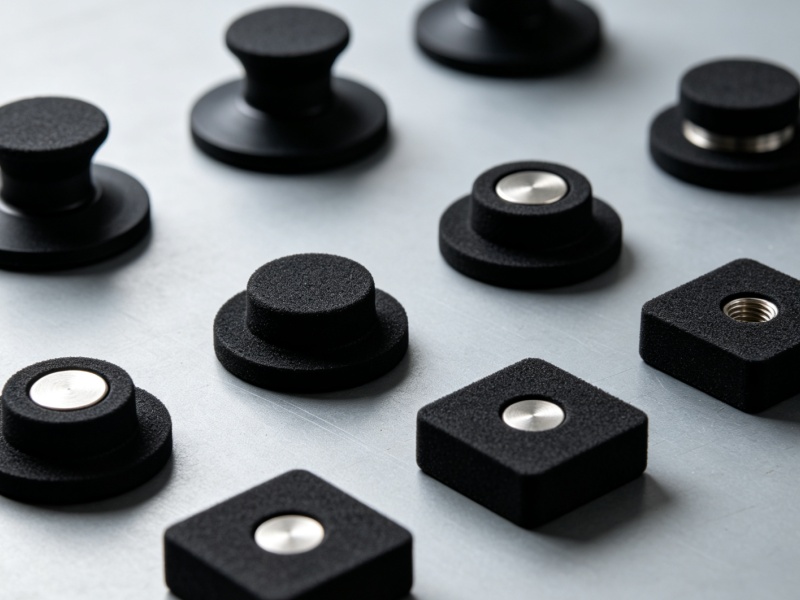
Discover the top 10 trusted pot magnet factories. Richeng, a leading manufacturer in China, offers rubber coated magnet, magnetic pickup tool, magnetic hook.
Discover Richeng, a trusted manufacturer in China for rubber coated magnet, magnetic pickup tool, and magnetic hook.
 EN
EN AR
AR HR
HR CS
CS DA
DA NL
NL FI
FI FR
FR DE
DE EL
EL IT
IT JA
JA KO
KO NO
NO PL
PL PT
PT RU
RU ES
ES SV
SV IW
IW VI
VI TH
TH TR
TR FA
FA MS
MS