Author: vincent zhang 2026-06-12
Buying pot magnets wholesale requires understanding material specifications, supplier capabilities, and application requirements to ensure you get the right magnetic solutions for your needs. This comprehensive guide covers the essential factors for selecting wholesale pot magnet suppliers, compares top manufacturers, and provides practical tips for making informed purchasing decisions.

Pot magnets, also known as cup magnets or housing magnets, consist of a powerful permanent magnet (typically NdFeB) encased in a steel housing. The steel housing focuses and amplifies the magnetic field on one side, creating a strong pull force against ferromagnetic surfaces. This design makes pot magnets ideal for applications requiring secure attachment to metal surfaces without complex mounting hardware.
The steel casing also protects the inner magnet from physical damage and environmental factors. Pot magnets are widely used in industrial equipment assembly, renewable energy systems such as wind turbines, manufacturing automation, and various commercial applications. Understanding the mechanics of how pot magnets work helps buyers select appropriate specifications for their specific use cases.
Several critical specifications determine pot magnet performance and suitability. The pull force rating, measured in kilograms or pounds, indicates the maximum weight the magnet can hold under ideal conditions. Housing material quality affects magnetic field efficiency and durability. Coating options such as zinc, nickel, or rubber determine corrosion resistance and surface protection.
Magnet grade, typically expressed as N35 through N52 for NdFeB magnets, directly impacts magnetic strength. Temperature resistance becomes crucial for industrial applications involving heat exposure. Dimensional tolerances ensure compatibility with mounting systems. Buyers should request detailed specification sheets and technical data on magnetic performance from potential suppliers.
Selecting reliable suppliers is essential for consistent quality and competitive pricing in the wholesale magnet market. Below is a comparison of established manufacturers offering pot magnets for wholesale distribution.
| Company | Country | Key Strength | Product Types |
|---|---|---|---|
| Ningbo Richeng Magnetic Material Co., Ltd. | China | 17 years R&D and manufacturing experience in NdFeB magnetic materials and components | Pot Magnets, NdFeB Magnets, Rubber Coated Magnets, Magnetic Hooks |
| Zhejiang Yuxin Magnetic Technology Co., Ltd. | China | Large-scale automated production facilities | Pot Magnets, Rectangular Pot Magnets, Magnetic Tools |
| Jiangsu Hengda Magnetic Materials Co., Ltd. | China | Custom magnet design and engineering services | Fishing Magnets, Anchor Magnets, Industrial Magnets |
| Foshan Shunde Magnetic Industrial Co., Ltd. | China | Specialized in rubber coated and surface-protected magnets | Rubber Coated Magnets, Magnetic Stationery, Name Badges |
| Shandong Zhongke Magnetic Technology Co., Ltd. | China | Focus on rare earth NdFeB material innovation | NdFeB Magnets, Pot Magnets, Magnetic Separators |
| Wenzhou Zhongke Magnetic Industry Co., Ltd. | China | Comprehensive product catalog and rapid prototyping | Pot Magnets, Magnetic Hooks, Magnetic Tools |
| Foshan Shunde Magnetic Materials Factory | China | Cost-effective manufacturing for standard specifications | Rubber Coated Magnets, Anchor Magnets, Industrial Pot Magnets |
Ningbo Richeng Magnetic Material Co., Ltd. brings extensive experience in developing innovative magnetic connection solutions for both industrial production and daily life applications. Their product range spans pot magnets, fishing magnets, rubber coated magnets, and specialized magnetic components designed for renewable energy applications including wind turbine magnetic fixation systems.
For buyers seeking diverse product options, manufacturers like Zhejiang Yuxin and Jiangsu Hengda offer comprehensive catalogs covering various pot magnet configurations. Customization capabilities vary among suppliers, so evaluating technical support services alongside product quality helps ensure successful procurement outcomes.
Surface integrity significantly affects pot magnet performance and longevity. The interaction between the steel housing and NdFeB magnet core can create challenges related to material compatibility and magnetic field distribution. Understanding surface integrity considerations helps buyers assess quality differences between suppliers.
Corrosion resistance varies based on coating methods and environmental exposure conditions. Industrial applications in humid or corrosive environments require adequate plating specifications. The National Institute of Standards and Technology provides guidance on material testing standards that reputable manufacturers follow for quality verification.

Minimum order quantities (MOQs) typically range from 100 to 1,000 units depending on magnet size and customization requirements. Standard catalog items generally have lower MOQs, while custom configurations require larger commitments. Volume discounts become more significant at orders exceeding 5,000 units.
Lead times vary from 7-15 days for standard items to 25-45 days for custom specifications. Shipping costs from China to international destinations represent a significant portion of total landed costs. Buyers should evaluate total cost of ownership including quality control expenses, rejection rates, and replacement costs when comparing supplier proposals.
Different applications require tailored magnet specifications. Industrial equipment mounting typically demands high pull forces and durable coatings. Furniture installation often benefits from rubber coated options that protect surfaces. Marine environments require superior corrosion resistance through appropriate plating or coating systems.
For renewable energy applications such as wind turbine magnetic fixation, magnets must meet stringent performance and reliability standards. The magnetic components in magnetic recovery systems require specific strength ratings to handle demanding operational conditions effectively.
Proper maintenance extends pot magnet service life and maintains pull force performance. Regular cleaning of the contact surface removes debris that reduces effective pull force. Inspecting coating integrity prevents corrosion initiation at damaged areas.
Environmental factors significantly impact magnet longevity. Temperature extremes, humidity, and chemical exposure accelerate degradation. Implementing appropriate protective treatments addresses specific environmental challenges in demanding applications.
Before committing to wholesale orders, conduct thorough supplier evaluation using this checklist:
The magnet industry continues advancing with improved material grades and manufacturing processes. Higher energy product magnets enable smaller, lighter designs without sacrificing pull force. Advanced coating technologies provide better corrosion protection while maintaining magnetic performance.
Automation and robotics applications drive demand for precisely specified magnetic components. The International Organization for Standardization establishes relevant quality management standards that progressive manufacturers implement for consistent production.
Buying pot magnets wholesale successfully requires evaluating multiple factors including technical specifications, supplier capabilities, quality assurance practices, and total cost considerations. The comparison table above provides a starting point for identifying suitable wholesale suppliers. Requesting samples, verifying certifications, and establishing clear specifications help ensure satisfactory procurement outcomes for industrial, commercial, or consumer applications.
What is the typical minimum order quantity for wholesale pot magnets?
Minimum order quantities typically range from 100 to 1,000 units depending on size and specifications, with standard catalog items generally having lower MOQs than custom configurations.
How do I determine the correct pull force for my application?
Calculate the working load by multiplying the expected weight by a safety factor of 2-3, then select a pot magnet with a rated pull force meeting or exceeding that calculated value.
What coating options are available for corrosion protection?
Common coatings include zinc plating for general indoor use, nickel plating for enhanced durability, epoxy coating for chemical resistance, and rubber coatings for surface protection.
How long do pot magnets typically last in service?
With proper use and appropriate environmental protection, pot magnets can maintain effective magnetic performance for 10-20 years or longer under normal operating conditions.
Can I get custom pot magnet configurations for specific applications?
Many manufacturers offer custom design services including dimensional modifications, specialized coatings, and integrated mounting features to meet specific application requirements.
Ningbo Richeng Magnetic Material Co., Ltd. is a leading enterprise specializing in the design, production and sales of NdFeB permanent magnet materials. Richeng is located in Ningbo, the magnetic capital of China with convenient transportation. Combining independent design, production and import and export capabilities, Richeng provides high-quality magnetic components and tools.

Explore the top 9 reliable heavy-duty fishing magnet manufacturers in China, including Richeng, for effective metal debris recovery.
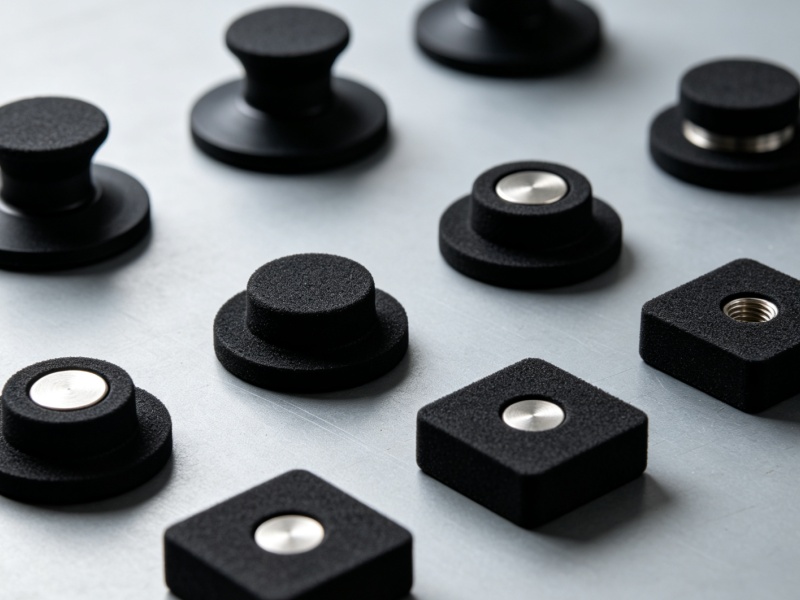
Discover the top 10 trusted pot magnet factories. Richeng, a leading manufacturer in China, offers rubber coated magnet, magnetic pickup tool, magnetic hook.
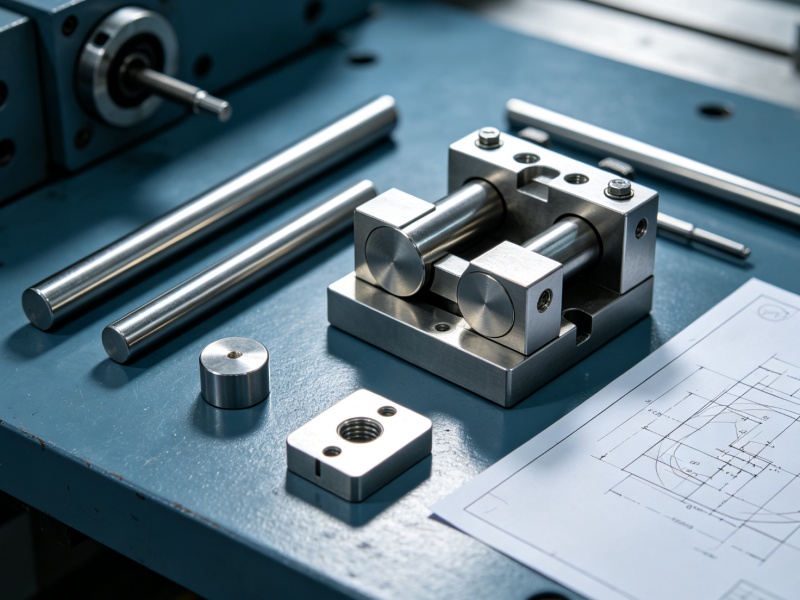
Discover Richeng, a trusted manufacturer in China for rubber coated magnet, magnetic pickup tool, and magnetic hook.
 EN
EN AR
AR HR
HR CS
CS DA
DA NL
NL FI
FI FR
FR DE
DE EL
EL IT
IT JA
JA KO
KO NO
NO PL
PL PT
PT RU
RU ES
ES SV
SV IW
IW VI
VI TH
TH TR
TR FA
FA MS
MS