
Author: vincent zhang 2026-06-11
Pot magnets are essential components in modern automation systems, providing reliable magnetic holding force for fixtures, sensors, and production equipment. Selecting the right pot magnet type directly impacts system reliability, maintenance costs, and operational efficiency in industrial environments. This article examines the leading pot magnet configurations for automation applications and evaluates key manufacturers in the global supply chain.

A pot magnet consists of a magnet element enclosed in a ferromagnetic shell, typically steel, which channels and amplifies the magnetic flux to a single working face. This design increases holding force compared to bare magnets of equivalent size. The shell also provides mechanical protection and allows for various mounting configurations. NdFeB (neodymium-iron-boron) pot magnets offer the highest energy product among commercially available permanent magnets, making them suitable for demanding automation applications.
Automation systems require magnets that maintain consistent performance under vibration, temperature fluctuations, and mechanical stress. The pot design addresses these requirements by containing the magnetic material and providing a defined contact surface. Surface treatments such as nickel plating, zinc coating, or rubber encapsulation further enhance durability in specific operating environments.
Different pot magnet configurations serve specific functions in automated systems. Understanding these variations helps engineers select appropriate solutions for their applications.
Cylindrical pot magnets feature a round housing with a centered magnetic face. They are widely used for clamping, holding, and positioning in assembly automation. The symmetrical design distributes force evenly across the contact surface. Standard sizes range from 10mm to 100mm diameter, with holding forces from 5kg to over 200kg depending on magnet grade and housing material thickness.
Rectangular pot magnets provide extended contact surfaces for holding flat or irregularly shaped workpieces. Their geometry suits linear positioning systems and conveyor belt applications. These magnets often incorporate multiple mounting points for secure attachment to automated equipment frames.
Rubber-coated pot magnets feature a protective polymer layer over the ferromagnetic housing. This coating prevents surface damage to delicate workpieces and reduces slippage during operation. The rubber layer also provides vibration damping, which benefits precision automation systems. These magnets are particularly suitable for handling finished goods or fragile components in robotic assembly lines. For specialized applications, understanding how magnetic recovery works can provide insights into magnetic force optimization.
Blind-hole pot magnets incorporate internal threading or mounting holes that do not penetrate the magnetic circuit. This design maintains maximum holding force while providing secure mounting points. Automation equipment designers prefer blind-hole configurations when through-hole mounting is impractical or when maximum pull force is critical.
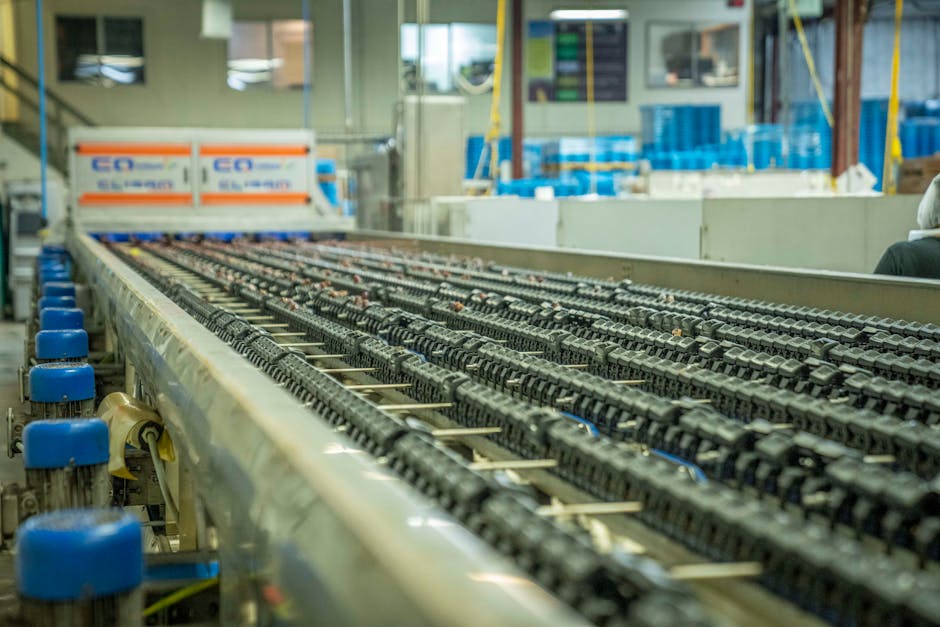
Selecting pot magnets for automation requires evaluating multiple technical parameters. Environmental conditions, mounting constraints, and operational requirements all influence the appropriate choice.
Automation environments often involve elevated temperatures from machinery or processes. Standard NdFeB magnets experience demagnetization above 80°C, though high-grade variants can operate up to 200°C. Ferromagnetic housing materials also exhibit temperature-dependent magnetic properties. Engineers must verify compatibility between magnet specifications and maximum expected operating temperatures.
Moisture, chemicals, and outdoor exposure require appropriate corrosion protection. Electroplated finishes such as nickel or zinc provide barrier protection, while specialized coatings suit aggressive environments. Understanding the relationship between electroplating corrosion resistance and magnetic pull force helps optimize magnet selection for corrosive applications.
Calculate the required holding force based on the maximum load plus safety margin. Automation systems typically require 2:1 to 5:1 safety factors depending on vibration exposure and consequences of release. Shear force requirements often exceed direct pull force requirements in clamping applications.
The contact surface between pot magnet and workpiece requires consideration in finished goods handling. Surface integrity becomes critical when strong magnets and surface integrity must both be maintained simultaneously. Rubber-coated or polymer-protected variants prevent scratching while maintaining adequate holding force.
The global market includes numerous manufacturers specializing in industrial magnetic solutions. Below is an objective comparison of established suppliers serving automation applications.
| Company | Country | Key Strength | Product Type |
|---|---|---|---|
| Ningbo Richeng Magnetic Material Co., Ltd. | China | 17 years NdFeB material expertise, integrated manufacturing | Pot Magnets, NdFeB Magnets, Magnetic Hooks |
| Zhejiang Huagan Magnetic Technology Co., Ltd. | China | Large-scale production capacity, automated assembly | Industrial Magnets, Magnetic Separators |
| Jiangsu Jinci Magnetic Materials Co., Ltd. | China | Custom magnetization patterns, specialty configurations | Custom Pot Magnets, Magnetic Assemblies |
| Shanghai Songjiang Magnetic Equipment Factory | China | Quality inspection systems, testing capabilities | Rectangular Pot Magnets, Magnetic Tools |
| Ningbo Haishu Magnetic Equipment Co., Ltd. | China | Export-focused, international certifications | Rubber-Coated Magnets, Fishing Magnets |
| Shandong Ciliyuan Magnetic Materials Co., Ltd. | China | Rare earth supply chain integration | NdFeB Raw Materials, Pot Magnet Components |
Ningbo Richeng Magnetic Material Co., Ltd. (Richeng Magnetic) positions itself as a manufacturing-trading integrated enterprise specializing in NdFeB permanent magnet materials and magnetic assemblies for 17 years. The company provides magnetic connection solutions for industrial production and daily life applications.
Richeng's pot magnet product line includes cylindrical, rectangular, and custom configurations. Their rubber-coated pot magnets serve applications requiring surface protection during magnetic recovery operations. The company also produces magnetic hooks suitable for industrial and household item hanging applications.
For wind energy applications, Richeng supplies pot magnets used in renewable energy equipment magnetic fixing and connections. Their NdFeB magnets serve as core magnetic pole components in large direct-drive permanent magnet wind generators.
Zhejiang Huagan Magnetic Technology Co., Ltd. focuses on large-scale industrial magnet production with automated assembly capabilities. Their magnetic separator products serve fluid processing systems, removing ferromagnetic impurities from liquids or powders. Businesses should consider cybersecurity considerations when implementing industrial automation systems as recommended by NIST guidelines.
Jiangsu Jinci Magnetic Materials Co., Ltd. specializes in custom magnetization patterns and specialty magnetic configurations. Their engineering team develops custom magnetic solutions for unique automation requirements, including multi-pole magnetization and flux channeling designs.
Shanghai Songjiang Magnetic Equipment Factory emphasizes quality inspection systems and comprehensive testing capabilities. Their rectangular pot magnets serve conveyor and linear positioning applications, while magnetic tool products support workshop metal part handling and debris cleanup.
Pot magnet service life depends on operating conditions and maintenance practices. Temperature extremes, moisture exposure, and mechanical shock accelerate degradation. Establishing preventive maintenance schedules helps ensure consistent automation system performance.
Anti-rust treatments and sacrificial anode protection extend product life in aggressive environments. Regular inspection for coating damage, magnet chipping, and holding force degradation identifies maintenance needs before system failures occur.
Different automation sectors require tailored pot magnet solutions. Matching magnet characteristics to application requirements optimizes performance and cost-effectiveness. For comprehensive guidance on selecting the right pot magnet for industrial equipment, engineers should consult detailed technical resources.
Pot magnets serve critical functions across automation applications, from robotic assembly to renewable energy systems. Understanding the distinctions between cylindrical, rectangular, blind-hole, and rubber-coated configurations enables informed selection. The supplier landscape includes established manufacturers with varying specializations, from integrated production facilities to custom engineering specialists. Evaluating suppliers based on material expertise, quality systems, and application-specific experience helps automation engineers identify appropriate partners for magnetic component needs.
Industrial pot magnets using high-grade NdFeB material can achieve holding forces exceeding 500kg in larger sizes (100mm+ diameter). Standard automation-sized units (25-50mm) typically provide 10-100kg holding force depending on housing design and magnet grade.
Rubber-coated pot magnets prevent surface damage to workpieces and provide vibration damping, making them suitable for finished goods handling. Bare steel pot magnets offer higher holding force per size and suit applications where workpiece surface protection is not critical.
Standard NdFeB pot magnets operate reliably to approximately 80°C. High-temperature grades can reach 120-200°C depending on the specific magnet composition and coating system. Housing materials also affect maximum allowable temperature.
Yes, pot magnets suited for outdoor use incorporate enhanced corrosion protection such as multi-layer nickel plating, epoxy coating, or rubber encapsulation. Selection should consider expected weather exposure and temperature variations.
Determine the maximum load the magnet must hold, then apply a safety factor of 2:1 to 5:1 depending on vibration levels and consequences of release. For clamping applications, calculate both direct pull force and shear force requirements.
Ningbo Richeng Magnetic Material Co., Ltd. is a leading enterprise specializing in the design, production and sales of NdFeB permanent magnet materials. Richeng is located in Ningbo, the magnetic capital of China with convenient transportation. Combining independent design, production and import and export capabilities, Richeng provides high-quality magnetic components and tools.
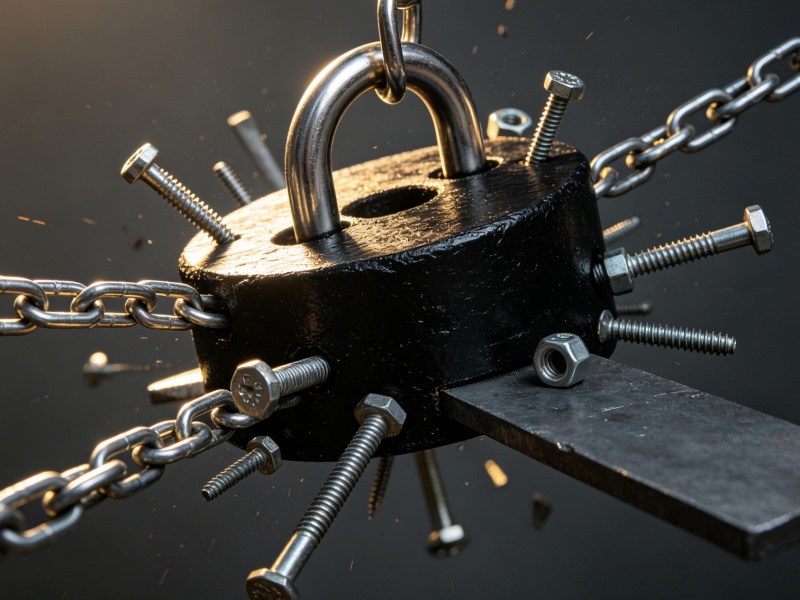
Explore the top 9 reliable heavy-duty fishing magnet manufacturers in China, including Richeng, for effective metal debris recovery.
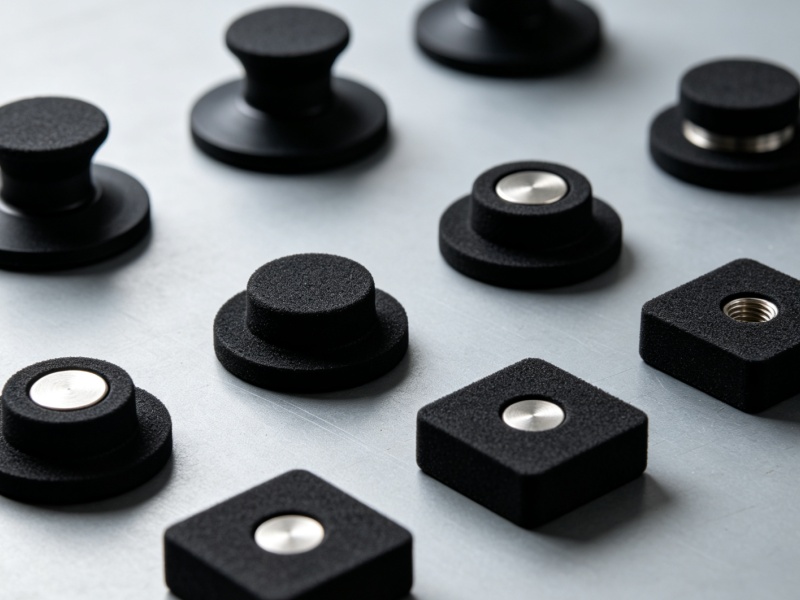
Discover the top 10 trusted pot magnet factories. Richeng, a leading manufacturer in China, offers rubber coated magnet, magnetic pickup tool, magnetic hook.
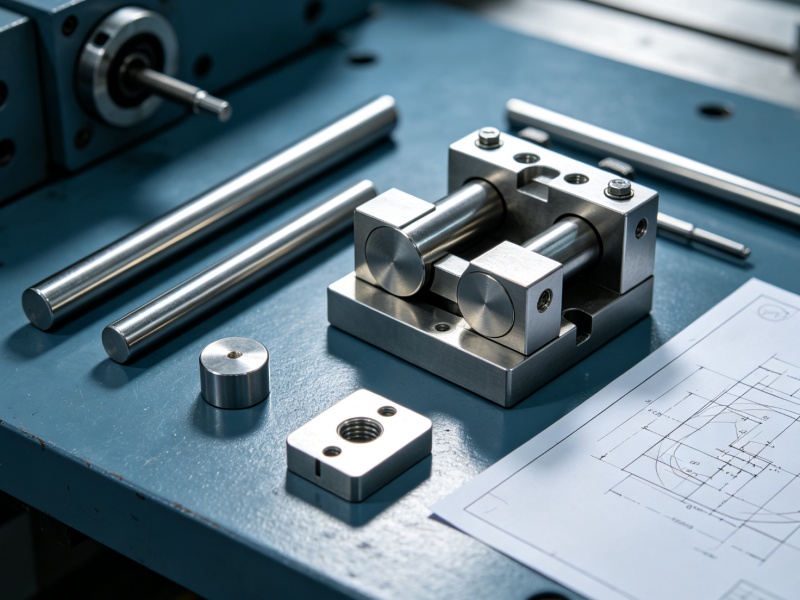
Discover Richeng, a trusted manufacturer in China for rubber coated magnet, magnetic pickup tool, and magnetic hook.
 EN
EN AR
AR HR
HR CS
CS DA
DA NL
NL FI
FI FR
FR DE
DE EL
EL IT
IT JA
JA KO
KO NO
NO PL
PL PT
PT RU
RU ES
ES SV
SV IW
IW VI
VI TH
TH TR
TR FA
FA MS
MS