
Author: vincent zhang 2026-06-05
A pot magnet combines a magnetic core with a steel housing that concentrates and directs magnetic flux, while a bare magnet consists of exposed magnetic material without any protective casing or flux-focusing structure. The fundamental distinction lies in construction: pot magnets optimize magnetic performance for specific applications, whereas bare magnets serve as raw magnetic components for further processing. Understanding these differences helps engineers and buyers select the appropriate magnet type for their industrial, commercial, or consumer applications.

A pot magnet is a complete magnetic assembly consisting of a magnet (typically NdFeB, SmCo, or ferrite) encased within a steel cup or housing. The steel housing serves multiple functions: it concentrates the magnetic flux toward a single pole, protects the magnet from physical damage, and provides a mounting surface. Pot magnets generate significantly higher pull forces compared to bare magnets of equivalent size because the steel housing channels and amplifies the magnetic field. The design also prevents the magnet from direct contact with the workpiece, reducing marring and simplifying retrieval. These assemblies come in various configurations including cylindrical, rectangular, and channel styles, often with threaded studs or holes for secure mounting. Industrial equipment manufacturers frequently specify pot magnets for their reliability and consistent performance under varying conditions.
A bare magnet refers to magnetic material in its raw, uncoated form without additional housings, mounting fixtures, or protective casings. Common types include sintered NdFeB magnets, samarium-cobalt magnets, and ceramic ferrite magnets. Bare magnets serve as foundational components for motor manufacturing, magnetic separators, medical devices, and consumer electronics. These magnets require secondary processing such as electroplating, magnetization, or integration into custom assemblies. The magnetic material properties directly influence performance characteristics like remanence, coercivity, and maximum energy product. Without protective housing, bare magnets are vulnerable to chipping, corrosion, and demagnetization from external magnetic fields or high temperatures.
The structural variance between pot magnets and bare magnets directly impacts their application suitability. Pot magnets incorporate the magnetic core plus ferromagnetic housing as a unified assembly, while bare magnets exist as discrete magnetic material units. This fundamental difference affects every performance metric:
Surface integrity becomes critical when selecting between these options. Strong magnets can exhibit surface inconsistencies that affect performance and longevity. The Challenge: Strong Magnets and Surface Integrity provides detailed analysis of surface characteristics and their impact on magnetic performance.

Pot magnets consistently demonstrate superior pull force ratings compared to bare magnets of equivalent magnetic material volume. The steel housing creates a low-reluctance path for magnetic flux, effectively multiplying the usable magnetic field. A single NdFeB disc magnet might produce 10 kg pull force, but when mounted in a steel pot configuration, the same magnet could achieve 50 kg or more. However, this flux concentration creates an asymmetric field distribution with most flux concentrated on one face. Bare magnets offer more uniform flux distribution across both poles, making them preferable for applications requiring accessible magnetic fields on multiple surfaces. The trade-off involves application-specific requirements: holding and retrieval operations favor pot magnets, while motor and sensor applications often require bare magnet configurations.
Both pot magnets and bare magnets face corrosion challenges, though through different mechanisms. Bare NdFeB magnets are highly susceptible to oxidation and typically require electroplating (nickel, zinc, or epoxy coatings) for corrosion protection. The balance between electroplating corrosion resistance and magnetic pull force examines how coating thickness affects magnetic performance. The electroplating process must balance two competing requirements: providing adequate corrosion resistance while maintaining magnetic pull force. Excessive plating thickness can shield magnetic flux, reducing effective performance. Pot magnets address corrosion differently—the steel housing provides inherent protection for the internal magnet, though the exposed steel surface still requires treatment. Many pot magnets incorporate additional anti-rust treatments such as rubber coatings for wet environments. Sacrificial anode protection and specialized coatings further extend service life in challenging conditions.
Pot magnets excel in applications requiring secure attachment, easy retrieval, and high pull force in a compact form factor. Key use cases include:
Selecting the right pot magnet for specific industrial equipment requires evaluating factors like pull force requirements, mounting method, environmental conditions, and duty cycle. Guidance on pot magnet selection for industrial equipment provides detailed criteria for matching magnet specifications to application demands.
Bare magnets form the core components in applications where magnetic material integrates into larger assemblies or requires specific magnetization patterns:
Fishing magnet applications demonstrate the practical difference between magnet types. Understanding magnetic recovery principles helps users evaluate whether pot assemblies or bare magnet configurations best suit their retrieval needs. How to Choose the Right Fishing Magnet for Underwater Recovery provides comprehensive guidance on selecting appropriate magnet specifications for specific underwater retrieval tasks.
Selecting between pot magnets and bare magnets requires systematic evaluation of application requirements. Consider these factors:
Available magnet product categories include both pot magnet assemblies and raw magnet materials for various industrial needs. Matching product specifications to application requirements ensures optimal performance and value.
Pot magnets generally require less maintenance than bare magnets due to integrated protection. The steel housing shields internal magnets from physical handling damage and environmental exposure. However, pot magnet users should inspect mounting integrity periodically and verify coating condition in corrosive environments. Bare magnets require more attention including regular coating inspection, demagnetization monitoring, and temperature management. Anti-rust treatment and protective measures can significantly extend magnet service life in demanding applications. Proper maintenance protocols reduce replacement frequency and ensure consistent magnetic performance throughout the product lifecycle.
Pot magnets and bare magnets serve distinct purposes across industrial and commercial applications. Pot magnets offer integrated solutions with enhanced pull force, physical protection, and simplified mounting—ideal for holding, retrieval, and attachment applications. Bare magnets provide raw magnetic material for motor manufacturing, sensor systems, and applications requiring multi-pole magnetization or custom integration. Evaluate your specific requirements including performance needs, environmental conditions, mounting options, and budget constraints when selecting magnet types. Both categories have established roles in modern manufacturing and technology applications, with continuous improvements in magnetic materials and assembly techniques expanding their capabilities.
Q: Can pot magnets be used underwater?
A: Yes, many pot magnets are suitable for underwater use when properly treated with corrosion-resistant coatings. Rubber-coated pot magnets provide additional protection for wet environments and prevent surface marring.
Q: How much stronger is a pot magnet compared to a bare magnet of the same size?
A: Pot magnets typically produce 3-10 times the pull force of bare magnets with equivalent magnetic material. The steel housing concentrates and directs magnetic flux, significantly amplifying effective pull force.
Q: Are bare magnets dangerous to handle?
A: Bare magnets, especially strong NdFeB types, can pose pinch hazards during handling. They may also chip if dropped or allowed to snap together violently. Proper handling procedures and safety equipment are recommended.
Q: What is the maximum temperature for pot magnets?
A: Maximum operating temperature depends on the magnetic material grade and housing design. NdFeB pot magnets typically operate up to 80-200°C depending on grade, while SmCo variants handle temperatures exceeding 300°C.
Ningbo Richeng Magnetic Material Co., Ltd. is a leading enterprise specializing in the design, production and sales of NdFeB permanent magnet materials. Richeng is located in Ningbo, the magnetic capital of China with convenient transportation. Combining independent design, production and import and export capabilities, Richeng provides high-quality magnetic components and tools.

Explore the top 9 reliable heavy-duty fishing magnet manufacturers in China, including Richeng, for effective metal debris recovery.
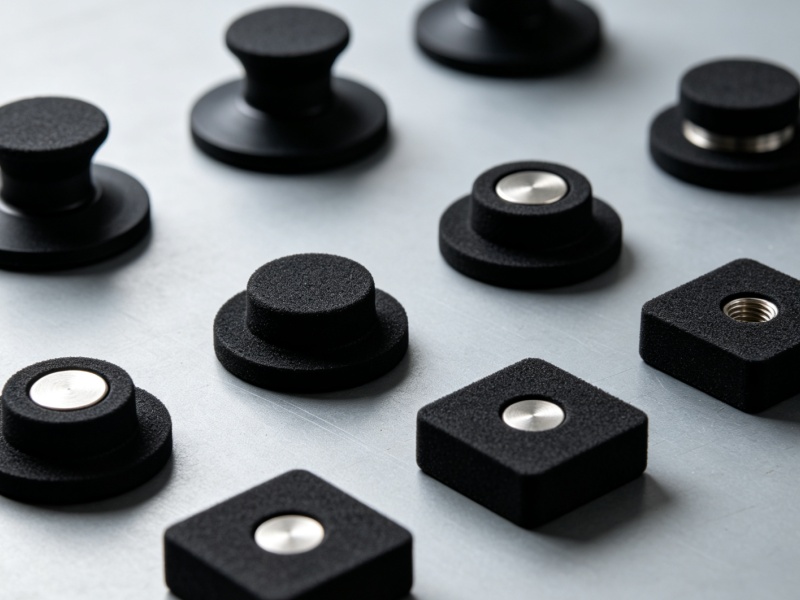
Discover the top 10 trusted pot magnet factories. Richeng, a leading manufacturer in China, offers rubber coated magnet, magnetic pickup tool, magnetic hook.
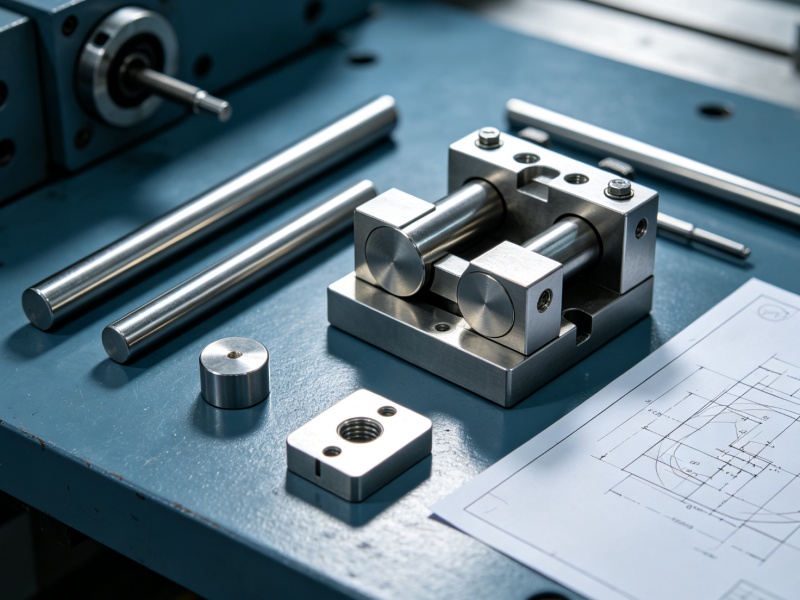
Discover Richeng, a trusted manufacturer in China for rubber coated magnet, magnetic pickup tool, and magnetic hook.
 EN
EN AR
AR HR
HR CS
CS DA
DA NL
NL FI
FI FR
FR DE
DE EL
EL IT
IT JA
JA KO
KO NO
NO PL
PL PT
PT RU
RU ES
ES SV
SV IW
IW VI
VI TH
TH TR
TR FA
FA MS
MS