 EN
EN AR
AR HR
HR CS
CS DA
DA NL
NL FI
FI FR
FR DE
DE EL
EL IT
IT JA
JA KO
KO NO
NO PL
PL PT
PT RU
RU ES
ES SV
SV IW
IW VI
VI TH
TH TR
TR FA
FA MS
MS
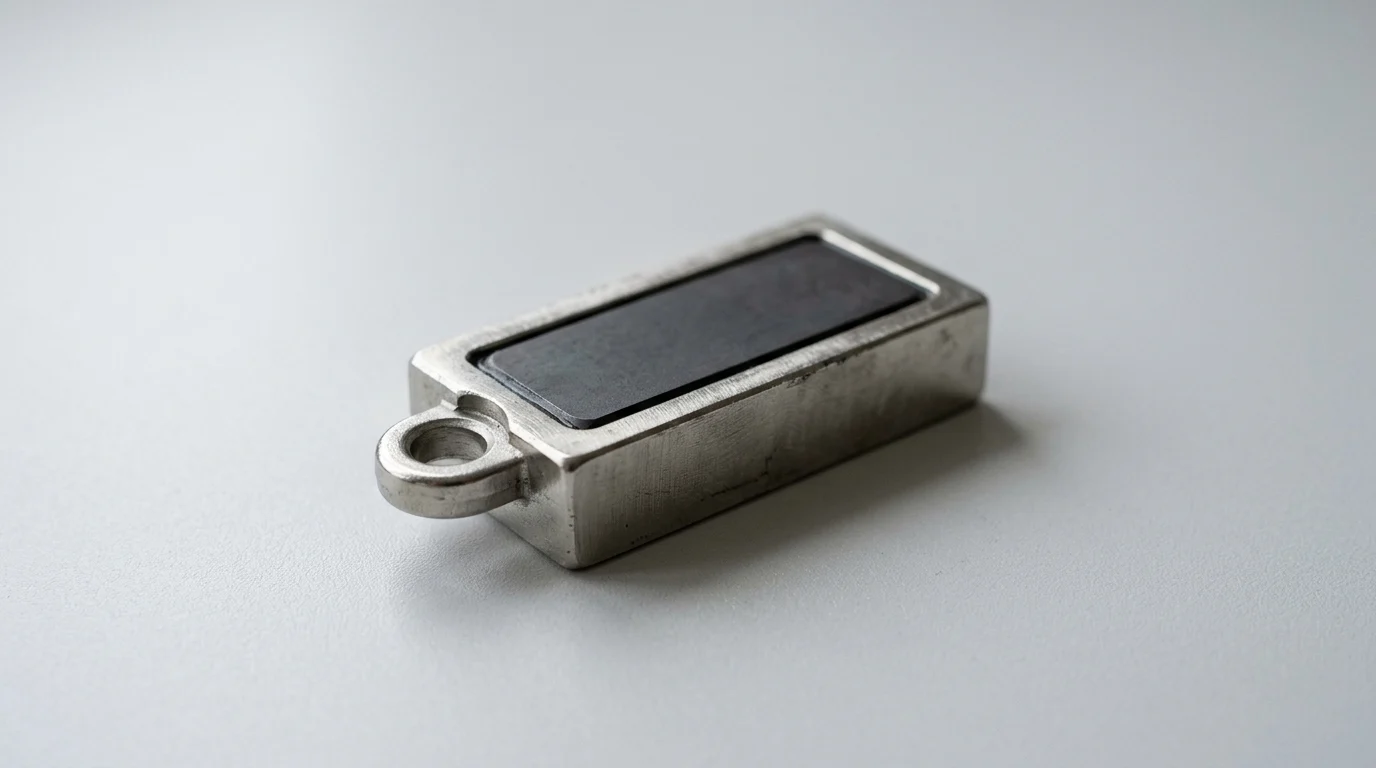
For industrial buyers, magnetic assemblies are not commodity parts when uptime, load security, and repeatable installation all depend on them. Rectangular pot magnets combine a permanent magnet with a steel channel to concentrate holding force on one working face, making them valuable in automation, formwork, fixtures, conveyors, and structural mounting. But buying them in bulk requires more than comparing headline pull force. Material grade, coating, tolerance, temperature rating, batch consistency, and real contact conditions all affect performance in the field. This guide explains what to evaluate before placing a volume order and how to source assemblies that match both engineering requirements and procurement targets.
Why Bulk Source Rectangular Pot Magnets
Industrial manufacturing relies heavily on economies of scale to maintain profitability. Sourcing magnetic assemblies in bulk quantities reduces per-unit costs, yielding substantial direct material savings for large-volume orders compared to spot purchasing. Establishing a reliable, high-volume supply chain for rectangular magnetic assemblies is critical for maintaining continuity across heavy machinery, automated warehousing, and architectural sectors.
Beyond unit cost reduction, bulk purchasing allows engineering and procurement teams to lock in specific raw material batches. This guarantees that the magnetic performance and dimensional tolerances remain uniform across an entire production run, eliminating the calibration issues that arise when mixing small batches from varying production cycles.
What Is an Industrial Rectangular Pot Magnet
A rectangular pot magnet consists of a permanent magnet, typically neodymium or ferrite, encased within a custom-machined or stamped steel channel. While the term "pot magnet" traditionally describes cylindrical cup-style units, rectangular versions are frequently referred to within the industry as "channel magnets" or "rectangular magnetic assemblies."
The steel housing serves a dual purpose: it protects the brittle magnetic material from mechanical impacts, and it acts as a magnetic circuit. The steel shell redirects the magnetic field to one active face, significantly amplifying the pull force compared to a raw magnet of the exact same volume. However, raw-material demagnetization curves do not always perfectly reflect the finished assembly's performance, as potting the magnet in steel fundamentally alters the magnetic circuit.
While a standard raw neodymium block provides a baseline pull force, integrating it into a U-shaped steel pot can easily triple its holding capacity. These rated forces assume ideal conditions: zero air gap against clean, thick, flat steel. Surface texture, elevated temperatures, and shear loading drastically reduce real-world holding capacity. The rectangular footprint offers a larger, continuous contact area along flat edges, making these components ideal for linear mounting, flush integration within structural channels, and applications where rotational slippage must be minimized.
Which Applications Require Bulk Purchasing
High-volume sourcing is an essential strategy for industries characterized by large-scale infrastructure projects and continuous assembly lines. In the automated warehousing sector, hundreds of these magnets are integrated into conveyor guide rails, sorting chutes, and robotic end-effectors to ensure reliable, high-speed material handling without requiring continuous electrical power.
The construction and prefabrication sectors utilize these assemblies for precast concrete formwork. Thousands of units must be deployed simultaneously to hold heavy steel forms securely in place under the immense hydrostatic pressure of poured concrete. Additionally, retail fixture manufacturers rely heavily on rectangular countersunk magnet assemblies to produce modular, tool-less shelving systems. These environments require consistent pull forces across annual production runs, making ad-hoc purchasing logistically and financially unviable.
Key Specifications to Compare Before Ordering

A slight deviation in material grade, coating thickness, or dimensional tolerance can lead to catastrophic failures in heavy-duty applications. Evaluate the precise physical, thermal, and magnetic properties of the assemblies before committing working capital to a bulk order.
Magnet Material, Pull Force, Coating, and Temperature Rating
The core material and its protective finish dictate the fundamental performance and longevity of the assembly. Key specifications include:
- Neodymium (NdFeB): Offers the highest commercial pull force, often exceeding 50 kilograms for a standard 50mm x 20mm rectangular assembly. Standard grades typically have a maximum operating temperature of 80°C.
- High-Temperature Grades: If the application involves elevated heat, specify grades such as N35SH (rated for 150°C) or N30UH (rated for 180°C).
- Samarium Cobalt (SmCo): Preferred for extreme heat environments, operating safely up to 300°C, albeit with a notable reduction in holding power compared to NdFeB.
- Standard Coatings: Nickel-copper-nickel (Ni-Cu-Ni) or zinc plating provides basic indoor corrosion resistance.
- Advanced Coatings: Harsh outdoor, marine, or chemical environments require epoxy coatings or full encapsulation in stainless steel housings to prevent rapid oxidation and structural failure.
Mounting Features, Tolerances, and Dimensions
The physical integration of the magnet into a larger system depends entirely on its mounting features. Rectangular assemblies frequently feature internal threaded blind holes, external threaded studs, or precise through-holes. A counterbored pot magnet is specifically designed to allow a socket head cap screw to sit flush with or slightly below the magnetic surface, preventing the steel fastener from scratching the mating material.
Dimensional tolerances depend heavily on the manufacturing method. Standard stamped steel channels offer looser tolerances suitable for general mounting. However, if the magnets are being press-fit into milled channels, precision-machined or ground housings are required. These precision grades can achieve strict tolerances of ±0.1mm for the overall length and width, and ±0.05mm for the thickness, preventing assembly line bottlenecks.
Specification Comparison Checklist
To facilitate accurate vendor evaluation and ensure apples-to-apples quoting, utilize a standardized specification matrix. This prevents miscommunication regarding critical performance thresholds.
| Specification Category | Key Parameters to Verify | Typical Industrial Range |
|---|---|---|
| Magnetic Properties | Grade (e.g., N42, N52), Pull Force (Vertical vs. Shear) | 5 kg to 150+ kg |
| Thermal Limits | Maximum Operating Temperature, Curie Temperature | 80°C (Standard) to 350°C (Specialized) |
| Dimensions & Tolerances | Length, Width, Height, Fastener Hole Size | L/W: ±0.1mm, H: ±0.05mm (Precision Grade) |
| Surface Protection | Plating/Coating Type, Salt Spray Test (SST) Duration | Ni-Cu-Ni, Zinc, Epoxy (24h to 96h SST) |
Where to Buy Industrial Rectangular Pot Magnets
The global supply chain for magnetic assemblies offers multiple sourcing avenues, each presenting distinct advantages regarding unit cost, customization capabilities, and delivery speed. To move beyond general specifications and secure reliable bulk orders, buyers must actively leverage B2B platforms (like Alibaba, Global Sources, or ThomasNet), industry directories, and trade fairs. When utilizing online portals, filter specifically for "Verified Supplier" tags, ISO certifications, and Trade Assurance protections to separate direct manufacturers from trading companies.
Manufacturer vs Distributor vs Custom Magnet Supplier
Sourcing directly from a primary manufacturer offers the lowest per-unit cost and the highest degree of customization. This route is ideal for large-volume orders or applications requiring proprietary mounting configurations and specific magnetic flux densities. However, direct manufacturers often demand longer lead times to accommodate raw material processing and tooling setups.
Industrial distributors hold vast inventories of standard catalog items, allowing for rapid fulfillment—often shipping within 48 hours. This convenience typically comes at a standard distribution markup over factory pricing.
Custom magnet suppliers act as technical intermediaries. They assist with magnetic circuit design, prototyping, and finite element analysis (FEA) before managing bulk production through their established offshore manufacturing networks.
Regional Supply Bases, Lead Times, and Minimum Order Quantities
Asia dominates the global production of rare earth materials and finished magnetic assemblies. Manufacturing hubs like Ningbo and Shenzhen in China account for the vast majority of the market. Sourcing from these Asian hubs typically requires Minimum Order Quantities (MOQs) ranging from 1,000 to 5,000 pieces. Factor in production and ocean freight lead times totaling 8 to 12 weeks.
Conversely, North American (e.g., the US Midwest) and European (e.g., Germany) suppliers offer significantly shorter transit times and often accept lower MOQs, making them suitable for just-in-time (JIT) manufacturing models. However, this regional convenience operates at a higher price point. Weigh the lower landed cost of overseas procurement against the working capital tied up in lengthy transit times and the need for larger safety stocks.
Supplier Qualification Questions
Vetting a supplier goes far beyond reviewing a line-item price list. Ask specific, operational questions to validate the supplier's quality management systems:
- What is the verified defect rate (measured in Parts Per Million, or PPM) for your rectangular assemblies?
- Can you provide certified demagnetization curves for the specific operating temperatures required?
- Do you perform 100% pull force testing on critical orders, or is it batch-tested based on Acceptable Quality Limit (AQL) standards?
Reliable industrial suppliers should be able to demonstrate a strict AQL level (e.g., AQL 1.0 or 0.65) for critical dimensions and magnetic performance, and ideally hold ISO 9001 or IATF 16949 certifications. Additionally, note that pull-force test fixtures vary significantly between suppliers. A 50kg rating from one vendor may use a 10mm thick steel test plate, while another uses a 20mm plate; always clarify the testing parameters.
Quality, Compliance, Packaging, and Logistics
Securing a competitive ex-works price is only the first phase of successful bulk procurement. The long-term viability of the sourcing strategy depends heavily on stringent quality control documentation, regulatory compliance, and the highly specialized logistics required for handling powerful permanent magnets.
Inspection Reports and Material Declarations
Demand comprehensive documentation to ensure traceability and performance. A standard bulk shipment should include:
- Certificate of Analysis (CoA): Details the raw material composition of the magnet.
- Certificate of Conformance (CoC): Verifies that the finished assemblies meet the agreed-upon dimensional and pull force specifications.
- RoHS Declaration: Confirms the restriction of hazardous substances, ensuring no lead, cadmium, or hexavalent chromium is present in the alloy or plating.
- REACH Declaration: Legally confirms compliance with EU regulations regarding the registration, evaluation, authorization, and restriction of chemicals.
Bulk Packaging, Labeling, and Shipping Requirements
The transportation of strong permanent magnets poses unique logistical challenges. Magnets must be packed to neutralize external magnetic fields, ensuring they do not interfere with aircraft navigation systems, courier sorting equipment, or adjacent cargo. This involves arranging the rectangular magnets in alternating polarities to close the magnetic circuit and utilizing thick steel-lined cartons or high-density foam spacers.
For air freight, the packaging must strictly comply with IATA Dangerous Goods Regulations, specifically Packing Instruction 953. This regulation mandates that the magnetic field strength must measure less than 0.00525 gauss at a distance of 4.6 meters from any point on the surface of the assembled package. Failure to meet this standard will result in the shipment being classified as Dangerous Goods, incurring severe delays and exorbitant handling fees.
Cost Drivers Beyond Unit Price
Beyond the negotiated unit price, the total landed cost is heavily influenced by several external factors:
- Logistics and Weight: The heavy steel shielding required for safe transport adds significant volumetric and actual weight to the shipment, frequently increasing freight costs compared to non-magnetic goods of similar size.
- Commodity Fluctuations: Volatility in raw neodymium, praseodymium, and dysprosium prices can trigger sudden surcharges. Negotiate price validity periods of at least 60 to 90 days.
- Trade Risks: Factor in import tariffs, potential anti-dumping duties on rare-earth magnets, and proper Harmonized System (HS) code classifications (typically under 8505) to calculate an accurate total cost of ownership.
How to Choose the Best Supplier
Finalizing a supplier partnership requires a systematic approach that balances immediate project needs with long-term supply chain resilience. A structured, data-driven procurement process mitigates risks, ensures consistent product quality, and establishes clear expectations.
Procurement Steps from Inquiry to Purchase Order
The procurement process should follow a structured, actionable sequence:
- Issue a Detailed RFQ: Include comprehensive engineering drawings, required vertical and shear pull forces, surface treatment specifications, and annual volume estimates.
- Request FAI Samples: Before authorizing mass production, mandate First Article Inspection (FAI) samples. This allows the engineering team to verify critical mounting tolerances and validate pull force claims in real-world application conditions.
- Issue the Purchase Order: Once FAI samples are approved, issue a formal PO. Structure this PO with staggered delivery dates to optimize inventory flow and manage warehouse space effectively.
Balancing Price, Availability, and Customization
The optimal supplier is rarely the one offering the absolute lowest initial price. A vendor quoting a lower unit price but carrying a long lead time and a high defect rate will ultimately cost the enterprise significantly more in production downtime and rework than a slightly higher-priced vendor with rapid delivery and exceptional quality control.
To objectively score potential magnet suppliers, utilize a weighted evaluation matrix. This mathematical approach ensures that quality, reliability, and financial stability are given appropriate consideration alongside unit pricing.
| Evaluation Criteria | Weight (%) | Metric for Maximum Score |
|---|---|---|
| Unit Pricing | 30% | Lowest total landed cost among technically qualified bids |
| Quality & Certification | 25% | ISO 9001/14001 certified, AQL < 0.65, full material traceability |
| Lead Time & Reliability | 20% | Under 4 weeks delivery, historically >98% On-Time Delivery (OTD) rate |
| Technical Support | 15% | In-house magnetic simulation (FEA), custom tooling capabilities |
| Financial Stability | 10% | Favorable payment terms (e.g., Net 30/60), strong industry track record |
Further reading:
Key Takeaways
- Buy rectangular pot magnets in bulk when you need lower per-unit cost, stable lead times, and consistent performance across large production runs.
- Compare material grade, pull force, coating, dimensional tolerance, and temperature rating before committing to a high-volume order.
- Do not rely only on raw magnet specifications, because the steel housing changes the magnetic circuit and final assembly performance.
- Validate pull force under real application conditions, since air gaps, rough surfaces, heat, and shear loads can sharply reduce holding capacity.
- Use rectangular pot magnets for linear mounting, flush channel integration, and applications where a larger contact area helps minimize rotational slippage.
Frequently Asked Questions
What is a rectangular pot magnet?
A rectangular pot magnet is a permanent magnet, usually neodymium or ferrite, set inside a steel channel. The housing protects the magnet and concentrates the magnetic field onto one active face for stronger holding performance.
Why buy rectangular pot magnets in bulk?
Bulk buying lowers per-unit cost, improves supply continuity, and helps keep magnetic performance and dimensions consistent across a full production run.
How much stronger is a rectangular pot magnet than a raw magnet?
When properly housed in a U-shaped steel channel, a rectangular pot magnet can deliver significantly higher holding force than a raw magnet of similar size, sometimes up to about three times under ideal conditions.
What conditions affect the rated pull force?
Rated pull force assumes clean, thick, flat steel contact with no air gap. Paint, rough surfaces, thin steel, high temperatures, and shear loading can reduce real-world holding capacity.
Which industries commonly need bulk rectangular magnetic assemblies?
Automated warehousing, heavy machinery, precast concrete, architectural systems, retail fixtures, conveyor systems, and robotic tooling often need bulk quantities for repeatable production and installation.