
Author: vincent zhang 2026-06-10
Pot magnets are magnetic assemblies that contain a permanent magnet housed within a steel cup or casing. Rubber-coated pot magnets add a protective rubber layer over the metal housing, while standard pot magnets feature exposed or plated metal surfaces. The choice between these two types significantly impacts holding force, surface protection, and environmental resistance. Understanding the differences helps engineers and procurement specialists select the optimal magnetic solution for specific industrial and commercial applications.

A pot magnet consists of a permanent magnet—typically neodymium (NdFeB), ferrite, or alnico—enclosed in a steel cup. The steel housing creates a magnetic circuit that directs the field toward one pole, substantially increasing pull force compared to unshieled magnets of equivalent size. Standard pot magnets feature exposed steel surfaces that may receive various plating treatments for corrosion resistance. The design supports multiple mounting configurations, including threaded studs, countersunk holes, and flat-backed designs for surface attachment.
The protective rubber layer on coated pot magnets typically consists of nitrile butadiene rubber (NBR) or similar elastomers molded directly over the steel housing. This coating process adds manufacturing complexity but provides inherent protective properties that eliminate the need for electroplating. Both types serve essential roles across industrial, commercial, and consumer applications where magnetic holding force is required.
Rubber-coated and standard pot magnets differ fundamentally in magnetic performance and physical properties. Standard pot magnets achieve 10-30% higher pull force than rubber-coated equivalents of the same dimension. The rubber layer creates an increased effective air gap between the magnetic poles and the target surface, reducing magnetic efficiency. This trade-off represents the primary performance consideration when selecting between the two types.
Surface protection characteristics vary significantly between the two designs. Standard pot magnets rely on surface treatments like zinc plating, nickel plating, or epoxy coating to prevent corrosion. These platings may degrade over time, especially in harsh environments with moisture or chemical exposure. The balance between electroplating corrosion resistance and magnetic pull force requires careful optimization during manufacturing, as heavier plating layers can slightly reduce magnetic performance.
Rubber coating provides inherent corrosion resistance without additional surface treatments. The molded rubber creates a complete seal around the steel housing, preventing moisture and oxygen contact with the metal surface. This sealing eliminates corrosion concerns even in marine environments or chemical processing applications. The rubber barrier also prevents physical damage from impacts and abrasions during handling and operation.
Standard pot magnets face ongoing challenges related to surface integrity when deployed in demanding environments. The exposed metal surface can experience scratching during installation and handling. Additionally, standard plating may wear through over time, exposing bare steel to corrosive elements. Anti-rust treatment methods and sacrificial anode protection can extend service life, but these add cost and complexity to the magnetic solution.
Rubber-coated pot magnets excel in applications requiring surface protection. The soft rubber prevents scratching, marring, and surface damage on painted, polished, or delicate materials. This characteristic makes rubber-coated versions particularly valuable in automotive assembly, furniture manufacturing, and electronics production. The elastic surface also prevents damage from impact forces that might dent or scratch bare metal housings.
Chemical resistance represents another significant durability advantage. Standard electroplated surfaces may degrade when exposed to certain solvents, cleaning agents, or industrial chemicals. The rubber coating on protected pot magnets provides excellent resistance to oils, fuels, and many industrial chemicals. This chemical resistance expands the viable application range into marine, chemical processing, and outdoor environments.

Temperature limitations differ substantially between the two pot magnet types. Standard pot magnets typically operate effectively across -40°C to +200°C, depending on magnet material and plating specifications. High-temperature applications involving sterilization processes, industrial ovens, or engine compartments require the thermal stability of standard designs. Magnet grade selection ensures reliable performance in demanding thermal environments.
Rubber coatings generally limit maximum operating temperatures to approximately +100°C to +120°C. Exceeding these temperatures may cause rubber degradation, softening, or separation from the steel housing. Applications requiring higher temperature resistance should specify standard pot magnets with appropriate magnet grades and plating. Cold temperature performance typically remains excellent for both types, with rubber maintaining flexibility well below freezing.
Noise and vibration characteristics favor rubber-coated pot magnets in sensitive environments. Standard pot magnets can produce clicking or buzzing sounds when attaching to metal surfaces due to magnetic attraction and physical impact. The rubber layer absorbs vibrations and eliminates acoustic noise entirely. This benefit proves valuable in medical facilities, laboratories, recording studios, and precision machinery where vibration or noise contamination is unacceptable.
Standard pot magnets excel in high-force industrial applications where surface protection is not a primary concern. Heavy equipment mounting, machinery positioning, and structural attachment benefit from maximum holding force per unit size. Manufacturing automation, material handling, and construction applications commonly specify standard pot magnets for their combination of strength and cost efficiency.
Rubber-coated pot magnets suit applications involving painted surfaces, delicate materials, or challenging environmental conditions. Automotive repair, appliance assembly, signage installation, and retail display mounting commonly utilize rubber-coated versions. The protective rubber prevents surface damage while maintaining adequate holding force for most mounting requirements. Outdoor applications, marine environments, and chemical exposure demand the inherent protection that rubber provides.
Fishing magnet applications represent a specialized use case where both types find application depending on specific requirements. The fishing magnet guide covers pull force calculations and environmental considerations for underwater recovery operations. Surface protection becomes critical when recovering metallic objects from sensitive environments or when using magnets near painted surfaces.
Standard pot magnets offer cost advantages due to simpler manufacturing processes and absence of rubber molding operations. For budget-conscious projects without surface protection requirements, standard pot magnets provide cost-efficient solutions. Bulk purchasing programs and standard sizing options keep unit prices competitive for high-volume applications.
Rubber-coated pot magnets command premium pricing reflecting the additional manufacturing complexity and inherent protective qualities. However, total cost of ownership may favor rubber-coated versions when considering reduced surface damage, longer service life in harsh environments, and eliminated need for supplementary anti-corrosion treatments. Applications requiring frequent repositioning or operating in challenging conditions often achieve better economics with coated versions despite higher initial costs.
Choosing the right pot magnet for industrial equipment requires systematic evaluation of multiple factors. The selection process should address functional requirements, environmental conditions, and economic considerations in proper sequence.
| Characteristic | Standard Pot Magnets | Rubber-Coated Pot Magnets |
|---|---|---|
| Pull Force | 10-30% higher | Slightly reduced |
| Surface Protection | Requires plating/treatment | Inherent protection |
| Corrosion Resistance | Dependent on plating | Excellent |
| Temperature Range | -40°C to +200°C | -40°C to +120°C |
| Noise Level | May produce clicking | Vibration dampened |
| Chemical Resistance | Limited by plating | Excellent |
| Cost | Lower initial cost | Higher initial cost |
| Ideal Applications | Industrial, high-force | Sensitive surfaces, outdoor |
Rubber-coated and standard pot magnets serve distinct purposes based on their fundamental characteristics. Standard pot magnets provide maximum holding force and high-temperature capability for demanding industrial applications. Rubber-coated pot magnets offer superior surface protection, chemical resistance, and noise reduction for sensitive or challenging environments. Selecting the appropriate type requires balancing holding force requirements against environmental protection needs, operating temperature conditions, and budget constraints. Understanding these core differences ensures optimal magnet selection and reliable performance in specific applications.
What is the main difference between rubber-coated and standard pot magnets?
The primary difference lies in surface treatment. Standard pot magnets have exposed metal surfaces with optional plating, while rubber-coated pot magnets feature a molded rubber layer over the metal housing. This rubber layer provides surface protection but reduces holding force compared to standard designs.
Can rubber-coated pot magnets be used outdoors?
Yes, rubber-coated pot magnets perform well in outdoor applications. The rubber coating provides moisture resistance, UV stability, and temperature tolerance. However, verify that the rubber material's temperature rating matches your specific environmental conditions.
Do rubber-coated pot magnets have less holding power?
Rubber-coated pot magnets typically exhibit 10-30% lower pull force than standard pot magnets of equivalent size. The rubber layer creates an increased air gap between the magnetic poles and the target surface, reducing magnetic efficiency.
Which type of pot magnet is better for protecting painted surfaces?
Rubber-coated pot magnets are specifically designed for protecting painted and delicate surfaces. The soft rubber prevents scratching, marring, and surface damage while maintaining adequate holding force for most mounting and attachment applications.
Are standard pot magnets more cost-effective?
Standard pot magnets generally have lower initial costs due to simpler manufacturing processes. If surface protection is not required for your application, standard pot magnets offer cost advantages while delivering maximum holding force per unit size.
Ningbo Richeng Magnetic Material Co., Ltd. is a leading enterprise specializing in the design, production and sales of NdFeB permanent magnet materials. Richeng is located in Ningbo, the magnetic capital of China with convenient transportation. Combining independent design, production and import and export capabilities, Richeng provides high-quality magnetic components and tools.

Explore the top 9 reliable heavy-duty fishing magnet manufacturers in China, including Richeng, for effective metal debris recovery.
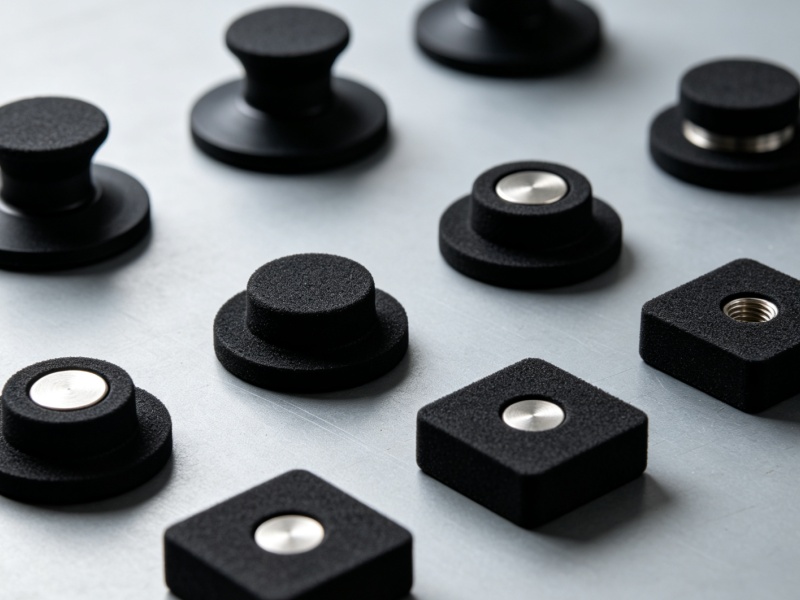
Discover the top 10 trusted pot magnet factories. Richeng, a leading manufacturer in China, offers rubber coated magnet, magnetic pickup tool, magnetic hook.
Discover Richeng, a trusted manufacturer in China for rubber coated magnet, magnetic pickup tool, and magnetic hook.
 EN
EN AR
AR HR
HR CS
CS DA
DA NL
NL FI
FI FR
FR DE
DE EL
EL IT
IT JA
JA KO
KO NO
NO PL
PL PT
PT RU
RU ES
ES SV
SV IW
IW VI
VI TH
TH TR
TR FA
FA MS
MS