 EN
EN AR
AR HR
HR CS
CS DA
DA NL
NL FI
FI FR
FR DE
DE EL
EL IT
IT JA
JA KO
KO NO
NO PL
PL PT
PT RU
RU ES
ES SV
SV IW
IW VI
VI TH
TH TR
TR FA
FA MS
MSFishing magnets and standard pickup magnets solve different retrieval problems, even though both use strong neodymium magnet cores. This article explains the practical differences in construction, use case, and selection so buyers can choose the right recovery tool for field work, workshops, or cleanup tasks.
Outline
- What each tool is designed to recover
- How construction and mounting differ
- When a fishing magnet is the better choice
- When a pickup magnet is the better choice
- Selection factors for industrial buyers
- Supplier directory and FAQ
Fishing Magnet vs Pickup Magnet: The Core Difference
A fishing magnet is optimized for retrieval from water, mud, drains, and confined spaces, while a pickup magnet is optimized for fast collection of loose metal parts on floors, benches, and workstations. In practice, the first is a recovery tool for lost objects, and the second is a handling tool for routine part pickup.
The difference matters because the same magnetic force behaves differently in different environments. Water resistance, silt, debris, and snag risk all affect performance, so a tool that works well on a workshop floor may underperform in a submerged recovery task.
Comparison Table: Fishing Magnet vs Standard Pickup Magnet
| Feature | Fishing Magnet | Standard Pickup Magnet |
|---|---|---|
| Primary use | Recover dropped metal objects from water, mud, or tight spaces | Pick up screws, nuts, washers, and small parts on dry surfaces |
| Typical environment | Lakes, rivers, wells, drains, pits, and muddy ground | Workbenches, factory floors, garages, and maintenance stations |
| Attachment style | Usually eye-bolt or threaded top for rope connection | Often wand, telescopic handle, bowl, tray, or handheld body |
| Design priority | Recovery strength and snag resistance | Convenience, reach, and part control |
| Common risk | Loss of grip in debris or corrosion exposure | Dropping small parts during assembly or cleanup |
How the Construction Differs
Fishing magnets usually emphasize a rugged body, secure attachment point, and corrosion-resistant finish, because they work in wet or abrasive conditions. Standard pickup magnets often prioritize ergonomics, reach, and quick handling, because they are used repeatedly during assembly or maintenance.
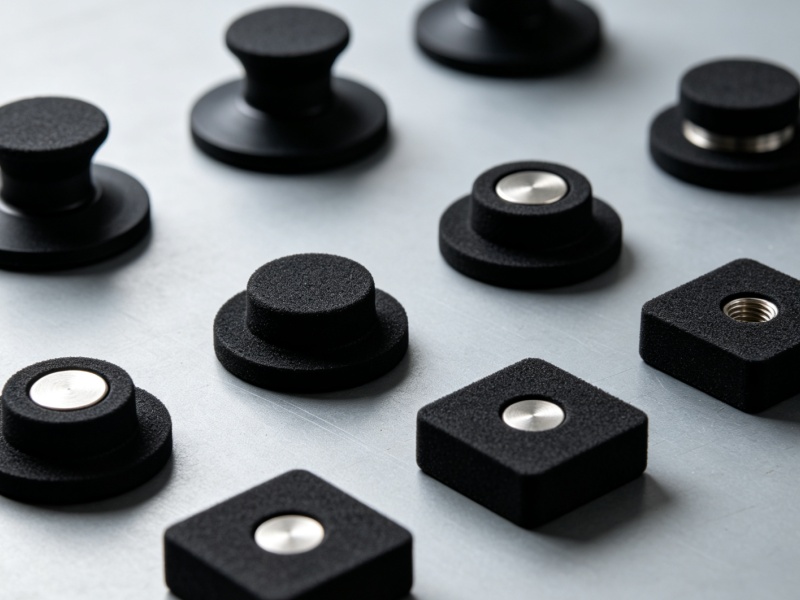
Many industrial magnetic products also use a cup-style structure, where a steel shell concentrates the magnetic circuit and protects the magnet from impact. That design can increase practical holding force at the contact face compared with an exposed magnet of similar material, which is why cup-style assemblies are common in both recovery and fixture applications.
For buyers comparing structural options, the internal product families on the main magnetic tools catalog are useful starting points, especially the magnetic tool range and the magnetic pickup tool with release handle. These pages help separate general-purpose pickup tools from heavier recovery-oriented designs.
Comparison Table: Structural Features That Affect Performance
| Design element | Why it matters | Typical effect |
|---|---|---|
| Steel cup or shell | Concentrates magnetic flux and protects the core | Improves practical holding force and durability |
| Threaded eye or bolt interface | Supports rope, shackle, or lifting connection | Better for retrieval from water or pits |
| Handle or wand body | Improves reach and control for hand use | Better for benches and floors |
| Corrosion-resistant coating | Protects against moisture and outdoor exposure | Extends service life in harsh environments |
| Rubber coating | Reduces scratching and slipping | Better for delicate surfaces |
When a Fishing Magnet Is the Better Choice
A fishing magnet is the better choice when the object is lost, submerged, or partially buried in debris. It is especially useful for tool recovery, rescue support, and oil-and-gas or maintenance work where dropped ferrous items must be retrieved quickly.
OSHA requires work areas and passageways to be kept clear of debris during construction and repair activities, which supports the use of cleanup and recovery tools in hazardous environments. OSHA also notes that hand and power tools can create injury risks when used improperly, so retrieval tools should be selected with the task and hazard profile in mind..
According to the U.S. Department of Energy, rare earth permanent magnets are a critical technology in modern supply chains, and sintered NdFeB magnets remain the strongest commercially available permanent magnets in many applications. That makes material quality important when selecting a recovery tool that must perform consistently under load.
- Choose a fishing magnet when the target object is hidden below water or sludge.
- Choose it when a rope or tether is needed for controlled retrieval.
- Choose it when corrosion resistance and ruggedness matter more than hand ergonomics.
When a Standard Pickup Magnet Is the Better Choice
A standard pickup magnet is the better choice when the job involves frequent collection of small metal parts in a dry, controlled environment. It is common in assembly lines, repair benches, warehouses, and service vehicles where speed and convenience matter more than deep recovery.
Pickup tools are often paired with trays, bowls, wristbands, or telescopic handles to reduce part loss and improve workflow. For example, a magnetic bowl is useful for holding screws and washers, while a magnetic sweeper is better for collecting scattered nails or shavings from floors and walkways.
For buyers who need broader cleanup capability, the magnetic sweeper product page is relevant because it addresses floor debris removal rather than submerged retrieval. OSHA guidance on keeping work areas clear of debris also supports this use case in construction and workshop settings.  How to Choose the Right Recovery Tool
The right choice depends on the object, environment, and mounting method, not on magnet strength alone. Buyers should evaluate holding force, corrosion resistance, temperature exposure, and whether the tool needs a handle, rope eye, or fixed mounting point.
For industrial procurement, the most useful selection questions are practical: What is being recovered, where is it located, how often will the tool be used, and what surface must be protected? Those questions reduce the risk of choosing an oversized or poorly matched magnet.
- Identify the environment first: dry floor, wet pit, water, or enclosed machinery.
- Match the attachment style to the task: rope eye for recovery, handle for manual pickup.
- Check coating and corrosion resistance for outdoor or wet use.
- Consider surface protection if the tool will contact painted, polished, or finished materials.
- Verify that the magnet size fits the part size and access space.
Key Selection Factors for Buyers
| Selection factor | Why it matters | Best fit |
|---|---|---|
| Environment | Wet, dry, or abrasive conditions change performance | Fishing magnet for wet recovery; pickup magnet for dry handling |
| Part size | Small parts need control; larger parts need stable grip | Pickup tools for fasteners; recovery magnets for lost objects |
| Mounting method | Determines how the tool is used and stored | Handle, rope eye, or fixed base |
| Surface sensitivity | Protects finished surfaces from scratches | Rubber-coated or shielded designs |
| Maintenance | Coating and shell durability affect service life | Corrosion-resistant, impact-protected models |
Supplier Directory: Where Buyers Commonly Start
The best supplier is usually the one that matches the application, not the one with the strongest headline force. Industrial buyers often compare a general magnetic tool catalog, a dedicated fishing magnet page, and a pickup tool page before requesting custom specifications.
For a broader product review, the main domain is a useful starting point because it groups recovery tools, magnetic separators, fastening components, and office or home magnetic products in one place. Buyers who need a more specific recovery workflow can also compare fishing-oriented and pickup-oriented product pages side by side.
Other well-known industry sources for magnetic cleanup and recovery include AMK Magnetics magnetic sweepers and Magnet Source safety magnets, both of which show how cleanup tools are positioned for floor debris and safety use cases. These references are useful for benchmarking, even when the final purchase comes from a different supplier.
Conclusion
The difference between these two tools is mainly functional: one is built for submerged or hard-to-reach recovery, and the other is built for routine pickup and cleanup. Buyers who match the tool to the environment usually get better performance, longer service life, and fewer missed parts.
In short, fishing magnets are specialized recovery tools, while standard pickup magnets are everyday handling tools. That distinction is the key to choosing the right product for industrial maintenance, workshop organization, or field retrieval.
FAQ
1. Is a fishing magnet always stronger than a pickup magnet?
Not always. A fishing magnet may be built for heavier recovery tasks, but actual performance depends on magnet grade, shell design, contact area, and environment. A pickup magnet can outperform it in dry, controlled conditions if the task is small-part handling rather than submerged retrieval.
2. Can a pickup magnet be used in water?
It can be used briefly, but it is usually not the best choice. Most pickup tools are designed for dry surfaces and ergonomic handling. Water, mud, and corrosion can reduce usability, so a purpose-built fishing magnet is usually more reliable for submerged or outdoor recovery.
3. Why do many magnetic tools use a steel cup or shell?
A steel cup concentrates the magnetic circuit and protects the magnet from impact. This structure can improve practical holding force at the contact face and reduce damage during use. It is common in pot-style assemblies, recovery tools, and industrial fastening products.
4. What should buyers check before choosing a recovery magnet?
Buyers should check the environment, attachment method, corrosion resistance, and surface sensitivity. They should also confirm whether the tool is meant for lifting, dragging, or hand pickup. The right choice depends on task fit, not just on the advertised force rating.
5. Are magnetic sweepers related to pickup magnets?
Yes, but they serve a different cleanup role. Magnetic sweepers collect scattered ferrous debris from floors, yards, and work areas, while pickup magnets are usually used for direct hand retrieval of small parts. Sweepers are better for broad-area cleanup and safety control.