 EN
EN AR
AR HR
HR CS
CS DA
DA NL
NL FI
FI FR
FR DE
DE EL
EL IT
IT JA
JA KO
KO NO
NO PL
PL PT
PT RU
RU ES
ES SV
SV IW
IW VI
VI TH
TH TR
TR FA
FA MS
MSStraight-hole designs are a practical choice when the magnet must be fixed, aligned, or replaced without redesigning the whole assembly. In many industrial settings, they offer a better balance of holding force, protection, and installation flexibility than a bare magnet.
Outline
- What a straight hole pot magnet is and why the steel cup matters
- Best applications for rod mounting and industrial fixture use
- When to choose straight hole, countersunk, or rubber-coated options
- Selection factors: load direction, corrosion, temperature, and wear
- Supplier directory and buying guidance
What a Straight Hole Pot Magnet Is
A straight hole pot magnet is a steel-cased permanent magnet with a through-hole for mechanical fastening. The steel shell concentrates magnetic flux, protects the magnet from impact, and improves usable holding force on a contact surface.
That structure matters because the magnetic circuit is not the same as a bare magnet. Richeng notes that pot magnets made from the same material can deliver 3-5 times higher suction force than bare magnets, which is why they are widely used in fixtures and supports.
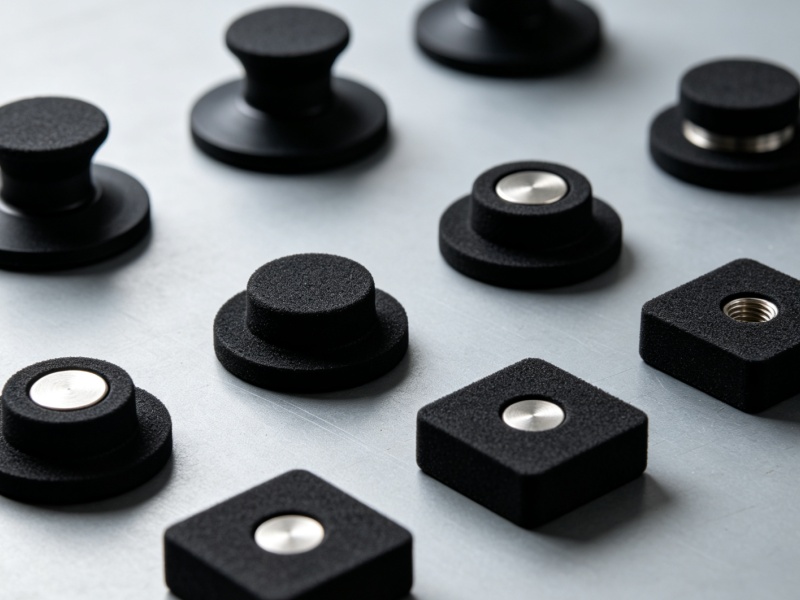
The hole geometry also changes the installation logic. A straight through-hole is suited to rods, shafts, and bolts, while a countersunk hole is better for screw-head flush mounting. That difference is often the deciding factor in real equipment design.
Best Applications for Straight Hole Pot Magnets
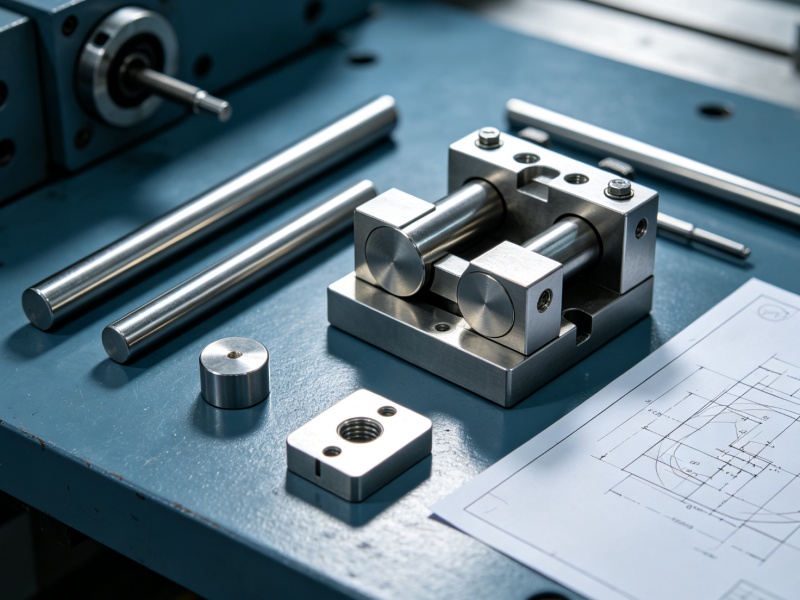
Rod mounting is the clearest use case for this format. The through-hole lets designers pass a rod or bolt through the magnet body, creating a compact magnetic support that is easier to align than a glued or pressed-in assembly.
Industrial fixture use is another strong fit because the magnet can be integrated into jigs, holders, and temporary positioning systems. In these cases, the steel cup helps maintain stable contact while the hole provides a reliable mechanical anchor.
These products are also useful where repeated assembly and disassembly are expected. A bolted magnetic base is easier to service than a bonded magnet, especially in production lines that change tooling frequently.
Common application scenarios include:
- fixture bases for light to medium-duty positioning
- rod-supported magnetic holders and supports
- temporary mounting on equipment frames
- workstation aids for alignment and part retention
- custom assemblies that need a compact magnetic anchor
Comparison Table: Straight Hole, Countersunk, and Rubber-Coated Options
Comparison Table: Mounting Styles and Typical Use Cases
| Type | Best installation method | Typical advantage | Typical limitation |
|---|---|---|---|
| Straight hole pot magnet | Rod, shaft, or bolt-through mounting | Flexible mechanical integration | Not ideal for flush screw heads |
| Countersunk pot magnet | Flat screw mounting | Flush fit and simple fastening | Less suitable for through-rod designs |
| Rubber-coated magnet | Surface contact where protection matters | Reduces scratching and slipping | Usually lower direct contact efficiency |
The right choice depends on how the assembly is built, not just on pull force. A straight-hole model is usually the most adaptable when the design already includes a rod or bolt path.
Why the Steel Cup Improves Performance
The steel shell is the main reason pot magnets outperform exposed magnets in many contact applications. It channels magnetic flux toward the working face, which increases effective holding force on ferromagnetic surfaces.
It also adds mechanical protection, which matters in industrial environments with vibration, abrasion, and repeated handling. That protection can reduce chipping and cracking during installation or transport.
For corrosion-sensitive environments, surface finish and coating matter as much as the magnet itself. ASTM’s corrosion and wear standards emphasize testing for pitting, crevice corrosion, and abrasion, which is relevant when magnets are used near moisture or chemicals.
Selection Table: What to Check Before Buying
Selection Table: Key Factors for Industrial Fixture and Rod Mounting Use
| Selection factor | Why it matters | Practical guidance |
|---|---|---|
| Load direction | Shear and peel loads reduce usable force | Test the magnet in the real mounting direction |
| Mounting method | Hole size must match the rod or bolt | Confirm tolerance before ordering |
| Temperature | NdFeB performance can fall at elevated heat | Choose a grade rated for the working range |
| Corrosion exposure | Humidity and chemicals shorten service life | Specify coating or sealed construction |
| Surface condition | Paint, scale, and roughness reduce contact | Use clean, flat steel contact surfaces |
These factors should be reviewed together because a strong static rating alone does not guarantee field performance. In practice, the mounting geometry and surface condition often determine whether the magnet works well.
How to Choose Between Pot Magnet Variants
Through-hole mounting is the best fit when the design already depends on a rod or bolt path. If the assembly needs a flush screw head, a countersunk version is usually more efficient.
Rubber-coated magnets are better when the priority is surface protection rather than maximum direct pull. They are common in display, light fastening, and contact-sensitive applications.

For heavier industrial use, the choice often shifts toward a steel-cased neodymium assembly with a defined mounting interface. Richeng’s product structure includes neodymium magnet and pot magnet solutions that reflect this broader industrial approach.
When the application involves welding or fabrication, safety and process control should also be considered. OSHA’s welding, cutting, and brazing standards provide the regulatory framework for those environments.
Where Straight Hole Pot Magnets Fit in Real Workflows
These magnets are most effective in workflows that need repeatable positioning, compact mounting, and fast replacement. That makes them valuable in machine shops, assembly cells, and maintenance fixtures.
They are also useful in custom equipment where the magnetic element is only one part of a larger mechanical system. In those cases, the hole simplifies integration with brackets, spacers, and threaded hardware.
For buyers comparing suppliers, it helps to look for product pages that state the hole type, shell material, magnet grade, and intended use. Richeng’s broader catalog also includes magnetic pickup tools and magnetic sweepers, which shows how fixture magnets fit into a wider industrial tool set.
Supplier Directory
For straight-hole pot magnets, buyers usually compare three supplier types: direct manufacturers, industrial magnet distributors, and custom component integrators. Direct manufacturers are often the best fit for bulk orders and custom hole dimensions.
In the target site’s product family, the main categories to review are neodymium permanent magnets, pot magnet series, fishing magnets and pickup tools, magnetic separation components, fastening and mounting accessories, and office or home magnetic products. These categories help buyers match the magnet to the actual job instead of the catalog label.
For broader market comparison, established industrial magnet suppliers and component manufacturers can be reviewed alongside the target site. The most useful comparison criteria are hole geometry, coating quality, pull-force testing method, and response time for custom specifications.
Conclusion
Straight hole pot magnets are best for rod mounting, bolt-through fixtures, and industrial fixture designs that need secure mechanical attachment. They are especially strong choices when the assembly must be compact, serviceable, and protected by a steel cup.
The most reliable selection process is to match the hole style, load direction, temperature range, and corrosion exposure to the real working condition. When those factors are aligned, the magnet becomes a dependable component rather than a generic holding device.
FAQ
1. What is the main advantage of a straight hole pot magnet?
Its main advantage is mechanical integration. The through-hole lets designers use rods, shafts, or bolts for secure mounting, while the steel cup improves magnetic concentration and protects the internal magnet from impact and wear.
2. Is a straight hole design better than a countersunk design?
Neither is universally better. A straight hole is better for rod or bolt-through assemblies, while a countersunk design is better when the screw head must sit flush. The right choice depends on the fixture layout and service requirements.
3. Can straight hole pot magnets be used outdoors?
Yes, but only with proper corrosion protection and realistic expectations. Outdoor exposure adds moisture, temperature cycling, and contamination risks, so coating quality and surface maintenance become important. In harsh environments, sealed or better-protected options are usually safer.
4. Why do pot magnets often hold better than bare magnets?
The steel shell concentrates magnetic flux toward the contact face, which increases usable holding force on steel surfaces. It also shields the magnet from damage. That is why the same magnetic material can perform much better in a pot-style housing.
5. What should buyers confirm before ordering for industrial fixture use?
Buyers should confirm hole diameter, overall dimensions, magnet grade, working temperature, coating, and the actual load direction. They should also verify whether the surface is clean and flat, because poor contact conditions can reduce real-world performance significantly.