 EN
EN AR
AR HR
HR CS
CS DA
DA NL
NL FI
FI FR
FR DE
DE EL
EL IT
IT JA
JA KO
KO NO
NO PL
PL PT
PT RU
RU ES
ES SV
SV IW
IW VI
VI TH
TH TR
TR FA
FA MS
MS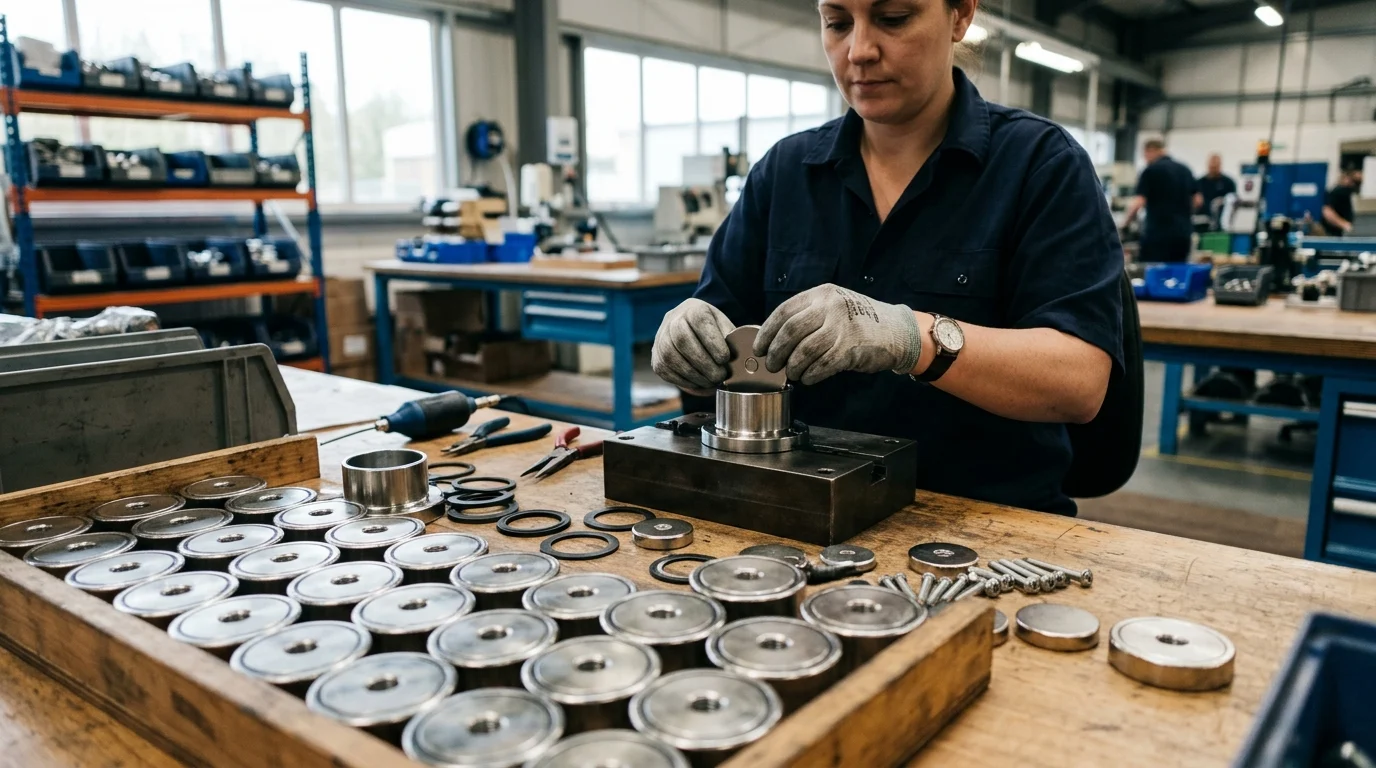
A pot magnet may look simple, but its performance depends on a precisely engineered magnetic circuit, reliable raw materials, and disciplined production control. For industrial buyers, choosing the wrong supplier can mean weak holding force, inconsistent dimensions, delayed shipments, or field failures under vibration and heat. This guide explains how to evaluate a pot magnet manufacturer for long-term supply, from in-house CNC machining and magnet grade verification to adhesive reliability, pull-force testing, and rare earth procurement stability. It also highlights practical supplier checks that help buyers separate true manufacturers from trading companies and build a dependable sourcing relationship.
Why the Right Pot Magnet Manufacturer Matters
Securing a reliable pot magnet manufacturer requires more than a cursory search on global B2B directories. Industrial applications—ranging from heavy-duty clamping systems and sensor mounts to robotic end-effectors and lifting hardware—rely on these magnetic assemblies for mission-critical holding force. Unlike a raw permanent magnet, a pot magnet is an engineered assembly. The steel housing is not merely a protective shell; it actively redirects the magnetic field lines from the enclosed pole around to the open face, effectively concentrating the flux and multiplying the clamping force upon direct contact with a ferromagnetic surface.
Because the steel cup dictates the efficiency of the magnetic circuit, a poorly manufactured assembly compromises the entire system, resulting in catastrophic slippage or failure in the field. Consequently, evaluating a manufacturer demands rigorous scrutiny of their supply chain stability, engineering tolerances, and material provenance. Furthermore, long-term supply requires a financially solvent partner. The rare earth market is highly capital-intensive, and suppliers lacking robust cash flow will struggle to procure raw magnetic blocks during global shortages, leading to sudden production delays that cascade down to the buyer's assembly lines.
How to Define a Reliable Pot Magnet Manufacturer
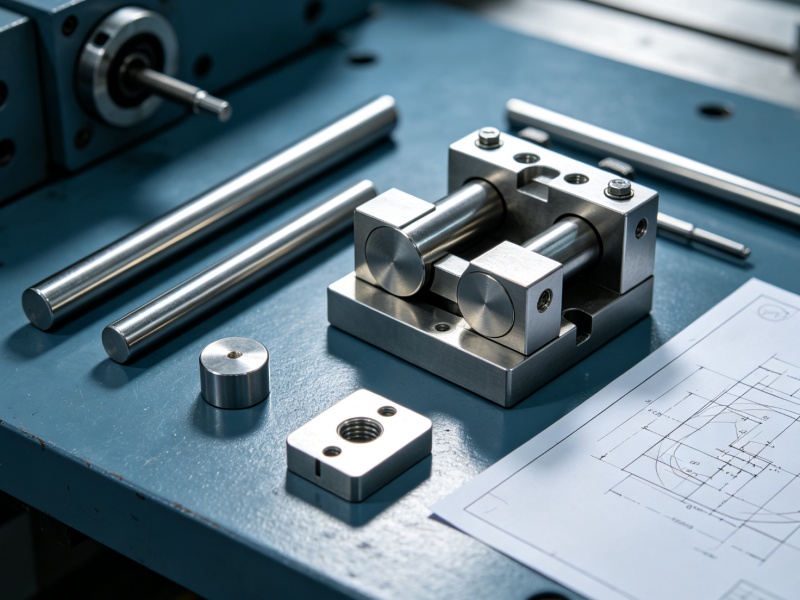
A top-tier pot magnet manufacturer operates with a high degree of vertical integration. Rather than merely acting as an assembly house for outsourced components, reliable vendors maintain in-house control over the most critical production phases. This includes operating their own CNC machining centers or stamping presses for the steel housings, precision magnetizing equipment, and automated potting or gluing stations.
Manufacturers must be able to consistently hold tight dimensional tolerances, typically ±0.05 mm to ±0.1 mm on the steel cup's outer diameter and thickness. If a supplier relies heavily on external subcontractors for metalworking, buyers face severe risks of dimensional inconsistencies. These microscopic variations in the steel housing alter the internal air gap between the magnet and the cup, drastically degrading the final pull force and interfering with the assembly’s integration into larger mechanical frameworks.
Key Supply Risks for Industrial Buyers
Industrial buyers face several hidden risks when sourcing magnetic assemblies from unverified suppliers. The most prevalent and financially damaging is unauthorized material substitution. A supplier under margin pressure might quote a high-grade Neodymium N42 but silently substitute it with a cheaper N35 grade to increase their profit margin by 10% to 15%. While the assembly may look identical, it will suffer a severe reduction in holding force, particularly when exposed to elevated operational temperatures.
Another critical risk is adhesive and structural failure. Pot magnets rely on industrial-grade epoxy to permanently secure the magnet within the steel housing. Inadequate curing times, poor surface preparation, or inferior adhesives can lead to the magnet dislodging and falling out under high vibration, thermal cycling, or shear stress. A field failure rate exceeding 1% to 2% is generally unacceptable in industrial applications, underscoring the necessity of vetting a supplier's internal quality controls and historical performance data before entering a long-term contract.
Technical Capabilities to Evaluate

Technical evaluation goes well beyond reading a standardized specification sheet; it requires analyzing the supplier’s underlying engineering methodology. The complex interplay between the permanent magnet, the precisely machined steel housing, and the non-magnetic spacer (typically brass, aluminum, or specialized epoxy) dictates the overall efficiency of the magnetic circuit. Buyers must ensure the manufacturer possesses the technical depth to validate performance and customize designs when standard catalog items fall short.
Magnet Strength and Performance Validation
Pull force is the definitive performance metric for pot magnets, but its measurement is notoriously sensitive to testing conditions. A qualified manufacturer must validate performance using calibrated universal testing machines, pulling the magnet strictly perpendicular to a standardized steel test plate. Industry best practices dictate using a 10 mm to 20 mm thick, low-carbon steel plate with a ground surface roughness of Ra 1.6 or better, pulled at a constant speed (e.g., 80 mm/min) to avoid dynamic load errors.
Buyers should demand comprehensive pull force reports that demonstrate a tight statistical distribution across production batches. Force variance should be strictly controlled within a ±5% to ±10% tolerance band. Suppliers who are unable to provide historical pull force data, or those who quote theoretical maximums derived from software rather than empirical averages from the production line, present a high technical risk for long-term integration.
Material, Coating, and Temperature Requirements
The operating environment dictates the selection of both the magnetic material and the surface treatment. While Neodymium (NdFeB) offers the highest maximum energy product (BHmax), standard commercial grades degrade rapidly and suffer irreversible flux loss above 80°C. For extreme industrial environments, manufacturers must be capable of supplying high-temperature NdFeB grades (such as the SH, UH, or EH series), Samarium Cobalt (SmCo), or Alnico.
| Magnet Material | Max Operating Temp | Relative Cost | Corrosion Resistance |
|---|---|---|---|
| NdFeB (Standard) | 80°C | Moderate | Poor (Requires Coating) |
| NdFeB (High Temp EH) | 150°C - 200°C | High | Poor (Requires Coating) |
| Samarium Cobalt (SmCo) | 250°C - 350°C | Very High | Excellent |
| Ferrite (Ceramic) | 250°C | Low | Excellent |
| Alnico | 500°C+ | High | Good |
Surface coatings play an equally pivotal role in the assembly's lifespan. Standard triple-layer Ni-Cu-Ni plating suffices for benign indoor environments, but offshore marine, agricultural, or chemical applications necessitate robust alternatives. Manufacturers should offer advanced surface treatments, including black epoxy coatings, zinc plating, or complete encasement in 304/316 stainless steel housings to prevent the rapid oxidation of the rare earth elements.
When to Choose a Custom Pot Magnet Supplier
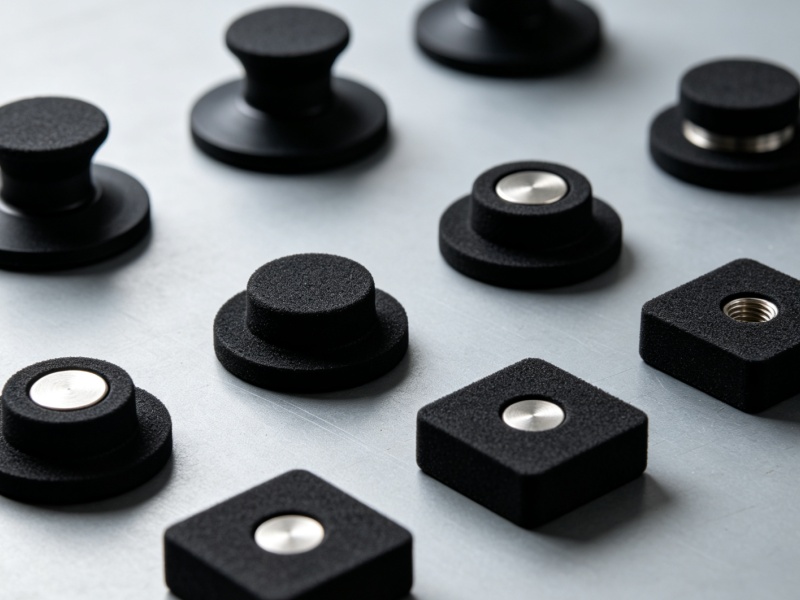
While standard off-the-shelf pot magnets—such as countersunk, threaded stud, or internal threaded variants—cover a vast majority of use cases, specialized applications often require custom engineering. This includes overmolded rubber coatings (TPU/TPE) designed to increase shear friction and prevent scratching delicate surfaces, or custom housing geometries tailored to fit proprietary mounting brackets.
Engaging a custom pot magnet supplier involves upfront tooling and Non-Recurring Engineering (NRE) costs. Depending on the complexity of the steel cup stamping die or the injection mold for rubber coating, tooling fees typically range from $500 to $2,500. Buyers must ensure the manufacturer has in-house 2D/3D CAD capabilities, Finite Element Analysis (FEA) software to simulate magnetic flux lines, and the operational flexibility to support Minimum Order Quantities (MOQs) that align with the project's scale—often starting between 2,000 and 5,000 units for fully custom production runs.
Quality Systems and Compliance
Consistent long-term supply is anchored by robust quality management systems (QMS). A manufacturer’s ability to produce a flawless prototype is ultimately meaningless if they lack the procedural rigor to replicate that exact quality across a mass-production run of 100,000 units. Evaluating a supplier's quality infrastructure ensures that defects are caught on the factory floor, rather than on the buyer's assembly line.
Supplier Audit Criteria
Conducting a comprehensive supplier audit is a mandatory step for industrial buyers looking to establish a multi-year supply agreement. Auditors must systematically evaluate the factory's incoming quality control (IQC) for raw magnetic blocks, the calibration schedules of their testing equipment, and their non-conforming material segregation protocols.
| Audit Category | Key Evaluation Metrics | Target Standard |
|---|---|---|
| Incoming Material Control | Spectrometer analysis, BH curve tracing | 100% batch verification |
| Machining Precision | CNC lathe tolerances, tool wear monitoring | ±0.05 mm dimensional variance |
| Assembly & Potting | Automated adhesive dispensing, curing oven logs | Zero voiding in epoxy/glue |
| Finished Goods Testing | Pull force testing, Gauss meter surface readings | Cpk > 1.33 for critical specs |
A critical component of the audit is verifying the presence of a Corrective and Preventive Action (CAPA) framework. If a batch fails quality checks, the manufacturer must be capable of providing an 8D (Eight Disciplines) report that details the root cause of the failure and the specific engineering measures implemented to prevent recurrence.
Inspection, Process Control, and Traceability
Process control during manufacturing directly dictates the longevity and reliability of the pot magnet. Reputable suppliers implement Automated Optical Inspection (AOI) and X-ray fluorescence (XRF) testing to verify coating thickness (e.g., ensuring a nickel layer is exactly 10 to 20 microns thick) and to detect micro-cracks before final assembly. For corrosion resistance validation, salt spray testing is critical; standard Ni-Cu-Ni coatings should withstand 24 to 72 hours of neutral salt spray, while specialized epoxy coatings must endure up to 500 hours without blistering or red rust formation.
Batch traceability is equally critical for risk mitigation. Premium manufacturers utilize laser engraving systems to mark the steel housings with specific batch numbers, material grades, and date codes. In the event of a field failure months after delivery, this traceability allows both the buyer and supplier to isolate the defective production run, ensuring the overall defect rate remains strictly below the industry benchmark of 500 Parts Per Million (PPM).
Certifications and Regulatory Documentation
Regulatory compliance and formalized quality certifications serve as objective, third-party filters during the initial supplier selection phase. At a bare minimum, the manufacturer must hold an active, verifiable ISO 9001:2015 certification. For buyers operating in highly regulated sectors such as automotive or aerospace, advanced certifications like IATF 16949 or AS9100 are non-negotiable prerequisites that mandate strict statistical process controls.
Furthermore, the supplier must provide comprehensive documentation for environmental and chemical compliance. This includes up-to-date RoHS 3 and REACH declarations, which are legally required for any products entering the European Union. Manufacturers must provide lab reports proving that restricted substances—such as hexavalent chromium in zinc platings or specific phthalates in rubber overmoldings—remain securely below the strict 0.1% weight threshold across all components of the pot magnet assembly.
Sourcing, Pricing, and Logistics Factors
Procurement professionals must continuously balance aggressive pricing targets with supply chain resilience. The total cost of ownership for a pot magnet encompasses far more than the unit price; it includes raw material market volatility, factory production efficiency, and complex international logistics. Understanding these factors allows buyers to negotiate sustainable contracts that survive market fluctuations.
Capacity and Lead Time Assessment
Assessing a manufacturer’s true production capacity prevents catastrophic supply bottlenecks during peak seasonal demand or sudden volume scale-ups. A reliable supplier should possess a sufficient footprint of CNC machining centers, stamping presses, and automated assembly lines to comfortably output 100,000 to 500,000 pot magnet units monthly without resorting to excessive, error-prone overtime.
Lead times serve as a direct indicator of a factory's operational efficiency and supply chain leverage. Standard catalog pot magnets typically require a 3 to 5-week lead time, while custom assemblies may extend to 6 to 8 weeks to account for specialized tooling and custom magnet grade sintering. Buyers should secure explicit capacity guarantees in their contracts to ensure their purchase orders take priority during global raw material shortages.
Key Cost Drivers for Pot Magnets
The cost structure of a pot magnet is highly sensitive to the global rare earth metals market. Neodymium and Praseodymium (NdPr) metals alone can constitute 30% to 40% of the total assembly cost. When applications demand high-temperature grades (e.g., N42SH or N35EH), the necessary addition of heavy rare earth elements like Dysprosium and Terbium causes unit prices to scale exponentially.
Beyond the magnet itself, the steel housing and assembly labor are primary cost drivers. Precision CNC-machined housings cost significantly more than stamped alternatives but offer vastly superior dimensional accuracy for tight-tolerance integrations. Buyers should request transparent, itemized quotations (cost breakdowns) separating the magnet, steel, labor, and plating. This transparency allows procurement teams to index their contract prices to raw material benchmarks (like the Asian Metal Index), preventing suppliers from passing on arbitrary price hikes.
Packaging, Labeling, and Export Documentation
Permanent magnets are classified as hazardous materials under specific shipping conditions due to their magnetic fields, making logistics a highly specialized requirement. Pot magnets are exceptionally heavy due to the steel cups; a single wooden pallet might hold 10,000 units but weigh upwards of 500 kg. For ocean freight (LCL/FCL), the heavy-duty corrugated boxes must be lined with Volatile Corrosion Inhibitor (VCI) bags to prevent flash rusting during transit.
If supply chain disruptions necessitate air freight, the packaging must strictly comply with IATA Packing Instruction 953. This mandates the use of magnetic shielding—typically galvanized steel sheets inserted within the carton walls—to neutralize the external magnetic field. The emission must measure less than 0.00525 gauss at a distance of 15 feet from the package. Failure to provide proper shielding and the accompanying magnetic inspection certificates will result in immediate shipment rejections, severe customs delays, and costly logistical disruptions.
Final Supplier Selection and Risk Control
The final phase of sourcing shifts from evaluation to active risk management and contract execution. Transitioning a newly vetted pot magnet manufacturer into a primary supply role requires a phased, data-driven approach to validate their sales promises against real-world production realities. Structuring the partnership correctly minimizes disruptions and aligns both parties toward long-term quality.
Supplier Qualification Steps
Supplier qualification should follow a structured, multi-stage funnel: Request for Information (RFI), Request for Quote (RFQ), desktop quality audits, and finally, an on-site factory audit by the buyer's engineering team or a trusted third party. Relying solely on a single manufacturer, regardless of their impressive audit score, introduces unacceptable single-point-of-failure risks to the supply chain.
Mature procurement teams implement a multi-sourcing strategy, often adopting a 70/30 or 80/20 volume split between a primary and a secondary supplier. This dual-sourcing model maintains continuous competitive pricing pressure and provides an immediate, fully qualified contingency plan if the primary factory experiences power outages, labor strikes, or geopolitical trade disruptions.
Sample Testing and Pilot Orders
Before committing to mass production, buyers must execute a rigorous First Article Inspection (FAI) and sample testing phase. However, testing five hand-picked prototypes is entirely insufficient for validating long-term reliability. Suppliers frequently assign their top engineers to hand-craft prototypes, yielding results that do not accurately reflect the standard, high-speed production environment.
To mitigate this, buyers should mandate a pilot run of 500 to 1,000 units, utilizing the principles of the Production Part Approval Process (PPAP). This volume forces the manufacturer to utilize their standard assembly lines, permanent tooling, and Standard Operating Procedures (SOPs). The resulting pilot run data must be statistically analyzed to calculate the Process Capability Index (Cpk). A target Cpk > 1.33 for critical dimensions and pull force ensures the manufacturing process is statistically capable of meeting tolerances with minimal variance.
Contract Terms and Performance Metrics
A robust supply agreement transforms technical expectations into legally binding performance metrics. Contracts must clearly define the Acceptable Quality Limit (AQL) for incoming shipments. For industrial pot magnets, buyers typically enforce a stringent AQL of 1.0 for major defects (e.g., missing plating, weak pull force, cracked magnets) and an AQL of 2.5 for minor defects (e.g., superficial cosmetic scratches on the steel cup).
Service Level Agreements (SLAs) must also govern the logistics and commercial relationship. Contracts should mandate an On-Time Delivery (OTD) rate exceeding 95% and establish clear financial penalty clauses for delayed shipments or defect rates that breach the agreed AQL. Furthermore, securing favorable payment terms, such as Net 30 or Net 60 days, protects the buyer's cash flow while ensuring the manufacturer remains financially accountable for the quality of the delivered goods until they are successfully integrated.
Key Takeaways
- Choose a pot magnet manufacturer with in-house machining, magnetizing, assembly, testing, and export capabilities to reduce supply and quality risks.
- Confirm that the supplier can maintain tight steel cup tolerances, typically around ±0.05 mm to ±0.1 mm, because small dimensional errors can reduce pull force.
- Require material traceability and test reports to prevent grade substitution, such as replacing quoted N42 neodymium magnets with lower-cost N35 material.
- Evaluate adhesive quality and curing processes because poor bonding can cause magnets to dislodge under vibration, shear stress, or thermal cycling.
- Select a financially stable supplier with reliable rare earth procurement capacity to protect long-term production schedules during market shortages.
Frequently Asked Questions
What should I check first when choosing a pot magnet manufacturer?
Start with in-house capabilities: CNC machining or stamping, magnetizing, assembly, gluing, testing, and export support. A vertically integrated supplier can better control tolerances, pull force, material quality, and delivery stability.
Why are tolerances important for pot magnets?
Small variations in the steel cup can change the magnetic circuit and reduce holding force. For industrial use, buyers should confirm whether the manufacturer can maintain tight tolerances, commonly around ±0.05 mm to ±0.1 mm.
How can I avoid magnet grade substitution?
Request material traceability, grade certificates, pull-force test reports, and incoming inspection records. Unauthorized substitution, such as quoting N42 but using N35, can reduce holding strength and increase failure risk.
Does Richeng manufacture pot magnets?
Yes. Ningbo Richeng Magnetic Material Co., Ltd. manufactures magnetic assemblies and tools, including pot magnets, ferrite pot magnets, brass pot magnets, fishing magnets, rubber-coated magnets, hooks, rods, sweepers, and custom NdFeB solutions.
What quality tests should a pot magnet supplier provide?
A reliable supplier should provide dimensional inspection, pull-force testing, coating checks, adhesive integrity checks, magnet grade verification, and production batch records for repeat orders.