 EN
EN AR
AR HR
HR CS
CS DA
DA NL
NL FI
FI FR
FR DE
DE EL
EL IT
IT JA
JA KO
KO NO
NO PL
PL PT
PT RU
RU ES
ES SV
SV IW
IW VI
VI TH
TH TR
TR FA
FA MS
MSCountersunk pot magnets are a practical choice when a fixture or jig needs compact, repeatable, and easy-to-install magnetic holding. They are especially useful in assembly, welding, inspection, and light automation where setup speed and positional stability matter.
Article Outline
- What a countersunk pot magnet is and why its magnetic circuit matters
- How it improves fixture and jig holding efficiency
- How to select the right structure, coating, and mounting method
- Common failure modes and how to avoid them
- Where to source related magnetic products and support
What Is a Countersunk Pot Magnet in Fixture and Jig Design?
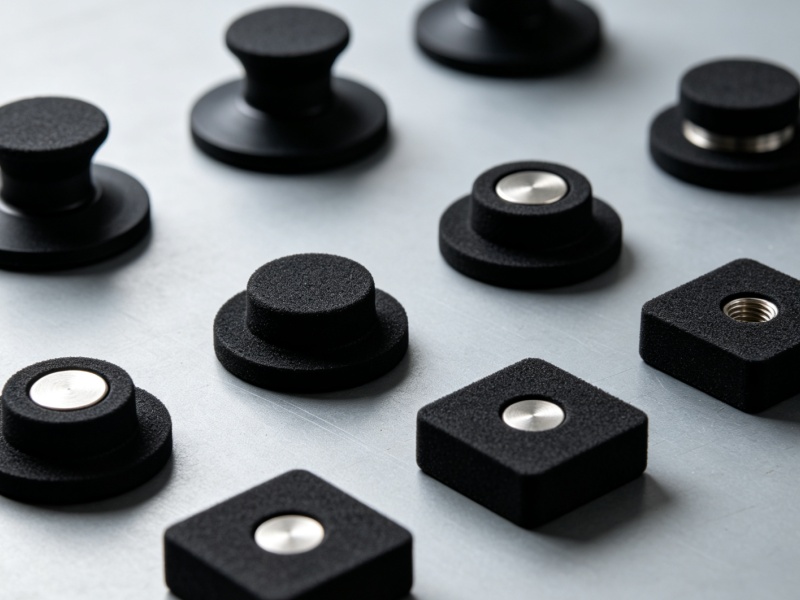
A countersunk pot magnet is a steel-cased magnet with a conical screw hole for direct fastening. The steel shell concentrates the magnetic field toward the working face, which makes the unit more efficient than a bare magnet of similar size. According to the supplier’s product information, pot magnets can deliver 3 to 5 times the suction force of bare magnets made from the same magnetic material.
This structure matters in fixture and jig design because workholding is not only about raw pull force. It is also about how the force is directed, how the part is mounted, and how well the assembly survives repeated use. The countersunk format supports screw fixing, which helps keep the magnet aligned and reduces installation time.
Comparison Table: Bare Magnet vs. Countersunk Pot Magnet
| Aspect | Bare Magnet | Countersunk Pot Magnet |
|---|---|---|
| Magnetic circuit | Open field, less concentrated | Steel shell concentrates flux |
| Mounting | Requires separate retention method | Direct screw mounting through countersunk hole |
| Mechanical protection | Exposed magnet surface | Protected by steel housing |
| Typical use | Simple holding or lab use | Fixtures, jigs, supports, and industrial fastening |
Why Does the Steel Shell Improve Holding Efficiency?
The steel shell improves holding efficiency by guiding magnetic flux into a narrower path. This increases the useful field at the contact face and reduces wasted flux around the sides. The result is better real-world holding performance, especially when the contact area is limited or the part must be held in a fixed orientation.
Contact quality also affects performance. NIST notes that surface roughness changes the real area of contact, which influences adhesion and force transfer. In fixture and jig applications, that means a magnet performs best when the mating surface is flat, clean, and free from chips or coatings that reduce contact.
For engineers, the practical conclusion is simple: a stronger magnet is not always the most efficient choice. A well-designed pot magnet often provides more usable holding force than a larger exposed magnet because the magnetic circuit is better controlled.
How Does It Improve Fixture and Jig Holding Efficiency?
It improves fixture and jig holding efficiency by reducing setup time, increasing repeatability, and lowering the risk of part shift. When a jig can be fixed with a countersunk screw hole, operators spend less time aligning hardware and more time on the actual process. That is valuable in high-mix production and short-run manufacturing.
It also improves stability during vibration and handling. A screw-mounted magnetic component is less likely to rotate or creep than a loosely placed magnet. In workholding, that matters because even small movement can affect hole location, welding angle, or inspection accuracy.
From a safety perspective, better fixture stability supports safer machine use. OSHA states that machine guarding hazards remain a major workplace issue, and inadequate guarding contributes to serious injuries. While a magnet is not a guard by itself, stable workholding helps reduce unexpected movement during machining and maintenance.
Key Efficiency Gains Table: Fixture and Jig Use
| Efficiency factor | How the magnet helps | Operational result |
|---|---|---|
| Setup speed | Direct screw mounting | Shorter fixture installation time |
| Position repeatability | Stable magnetic seating | Less part drift between cycles |
| Space use | Compact housing | Smaller footprint on the jig body |
| Durability | Steel shell protection | Lower risk of magnet damage |
Which Design Factors Matter Most in Selection?
The most important selection factors are holding force, mounting geometry, temperature resistance, and corrosion protection. A countersunk pot magnet should match the screw size, head angle, and available installation depth. If the hole geometry is wrong, the magnet may seat poorly and lose efficiency.
Material choice also matters. Neodymium magnets are widely used when compact size and strong force are required. For demanding industrial use, the magnet grade and operating temperature should be checked together, because heat can reduce performance. If the fixture will be exposed to moisture or chemicals, coating quality becomes critical. ASTM’s corrosion and wear standards emphasize the importance of evaluating resistance to corrosion, abrasion, and related degradation mechanisms.
In many industrial settings, the best choice is not the highest pull force on paper. It is the magnet that maintains force under the actual load path, surface condition, and duty cycle of the fixture.
Selection Checklist for Fixture and Jig Applications
- Confirm screw size, countersink angle, and installation depth.
- Match magnet force to the actual load direction, not only the catalog value.
- Check operating temperature and expected heat exposure.
- Specify coating or sealing for humid or corrosive environments.
- Verify surface flatness and contact cleanliness on the mating part.
How Do Installation and Surface Conditions Affect Performance?
Installation quality affects performance as much as magnet size. A countersunk hole must seat flush so the screw head does not distort the housing. If the magnet is tilted or over-tightened, the contact face can lose effective area and reduce holding efficiency.

Surface condition is equally important. Dust, paint buildup, burrs, and machining chips all reduce the real contact area. NIST research on rough surfaces shows that contact area changes directly affect adhesion and force transfer. In practical terms, a clean steel surface usually performs better than a rough or contaminated one.
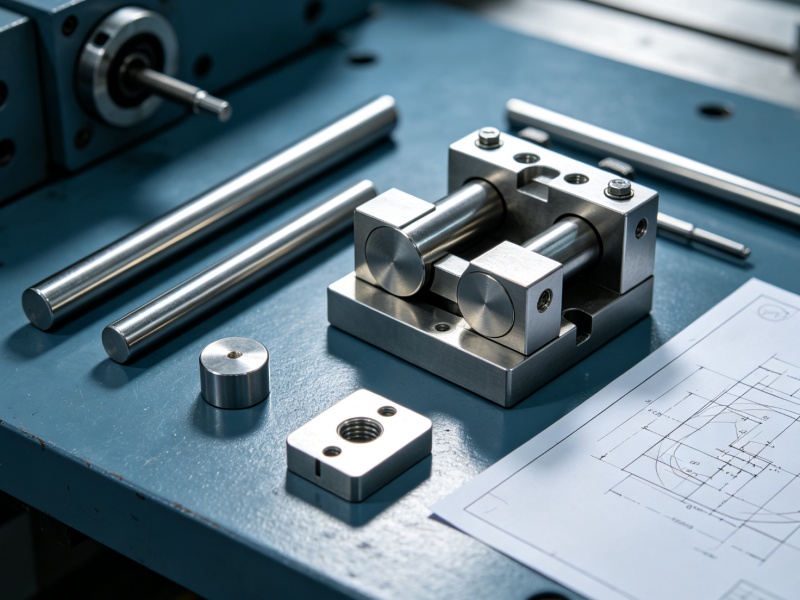
For fixtures and jigs, the best practice is to treat the magnet as part of a system. The magnet, screw, base plate, and work surface all contribute to the final result. If one element is weak, the whole assembly becomes less efficient.
Where Do Related Magnetic Products Fit Into the Workflow?
Related magnetic products can improve the full workholding and maintenance workflow around a jig or fixture. For example, welding magnets help with angle setting, magnetic pickup tools reduce lost fasteners, and magnetic sweepers clean metal debris from the work area. These products do not replace a fixture magnet, but they support faster and cleaner operations.
If a project needs broader magnetic support, a supplier with multiple product categories can simplify sourcing. Useful categories include magnetic tools, magnetic pickup tools, and magnetic sweepers. For buyers building a complete magnetic system, this reduces compatibility issues and shortens procurement cycles.
For more specialized recovery work, such as submerged or confined-space retrieval, a fishing magnet may be more appropriate than a fixture magnet. The right product depends on whether the goal is holding, positioning, retrieval, or cleanup.
Supplier Directory: What to Look for in a Pot Magnet Source
A reliable supplier should offer clear product categories, technical descriptions, and mounting options. The main categories on the target website include neodymium permanent magnets, countersunk pot magnets, straight-hole pot magnets, rubber-coated magnets, fishing magnets, magnetic pickup tools, magnetic sweepers, magnetic rods, welding magnets, and magnetic bases. Those categories cover most industrial and maintenance use cases.
For buyers comparing suppliers, the most useful criteria are engineering support, customization ability, coating options, and consistency in batch quality. In practice, leading industrial suppliers and established magnet manufacturers often provide similar product families, but the better choice is the one that can match the exact fixture geometry and operating environment.
Conclusion
Countersunk pot magnets improve fixture and jig holding efficiency because they combine concentrated magnetic flux with simple screw mounting. That combination gives engineers a compact, protected, and repeatable workholding element that is easier to install than many alternative methods.
They are most effective when the surface is clean, the screw geometry is correct, and the operating environment is matched to the coating and magnet grade. For industrial users, the real advantage is not just stronger attraction, but more reliable and efficient holding in daily production.
FAQ
1. Why are countersunk pot magnets better than bare magnets for fixtures?
They are usually better because the steel shell concentrates magnetic flux and the countersunk hole allows direct screw mounting. That combination improves usable holding force, installation speed, and mechanical protection. In fixture and jig work, those benefits often matter more than raw magnet size alone.
2. Do countersunk pot magnets work on painted or rough surfaces?
They can work, but performance usually drops when the surface is painted, rough, or contaminated. Magnetic holding depends on real contact area, so flat and clean steel surfaces perform best. If the surface condition is poor, the magnet may need a different mounting strategy or a larger contact face.
3. What should I check before choosing one for a jig?
Check screw size, countersink angle, available depth, temperature exposure, and corrosion risk. You should also confirm the load direction and whether the magnet will face vibration or repeated handling. A good selection matches the actual working condition, not only the catalog pull-force number.
4. Can these magnets be used in wet or corrosive environments?
Yes, but only if the coating and sealing are suitable for the environment. Moisture, chemicals, and outdoor exposure can damage unprotected magnets over time. For that reason, corrosion resistance should be part of the selection process, especially in maintenance, marine, or washdown applications.
5. What is the main efficiency gain in production use?
The main gain is reduced setup time with more stable positioning. Operators can mount the magnet quickly, align the fixture more consistently, and spend less time correcting movement. Over many cycles, that can improve throughput and reduce errors caused by part shift or weak temporary holding.