
Author: vincent zhang 2026-06-27
Choosing the right pot magnet for welding fixtures and fabrication projects depends primarily on load stability, surface contact quality, heat exposure, and fixture geometry rather than magnet size alone. In real fabrication environments, effective holding force can drop by 30–70% compared to catalog values due to mill scale, paint layers, and uneven steel surfaces. Industry magnetic engineering references confirm that steel-cased pot magnets concentrate flux to significantly improve usable holding performance compared with exposed magnets, making them one of the most efficient workholding tools in welding setup operations.
In practice, the best pot magnet is not the strongest one on paper, but the one that maintains stable positioning during tack welding while allowing fast repositioning in fixture workflows.
A pot magnet is essentially a controlled force tool rather than a simple magnet, designed to hold steel components in position during alignment and tack welding. Unlike clamps that require physical access on multiple sides, pot magnets allow welders to stabilize parts instantly in constrained fixture environments.
In fabrication shops, pot magnets are commonly used during the “pre-weld positioning phase,” where parts must remain stable but still adjustable. This is why many engineers integrate modular magnetic tooling systems such as the Pot Magnet series instead of relying solely on mechanical clamps.
The key advantage in real workshop use is not maximum force—it is repeatable positioning under vibration, heat, and handling stress.
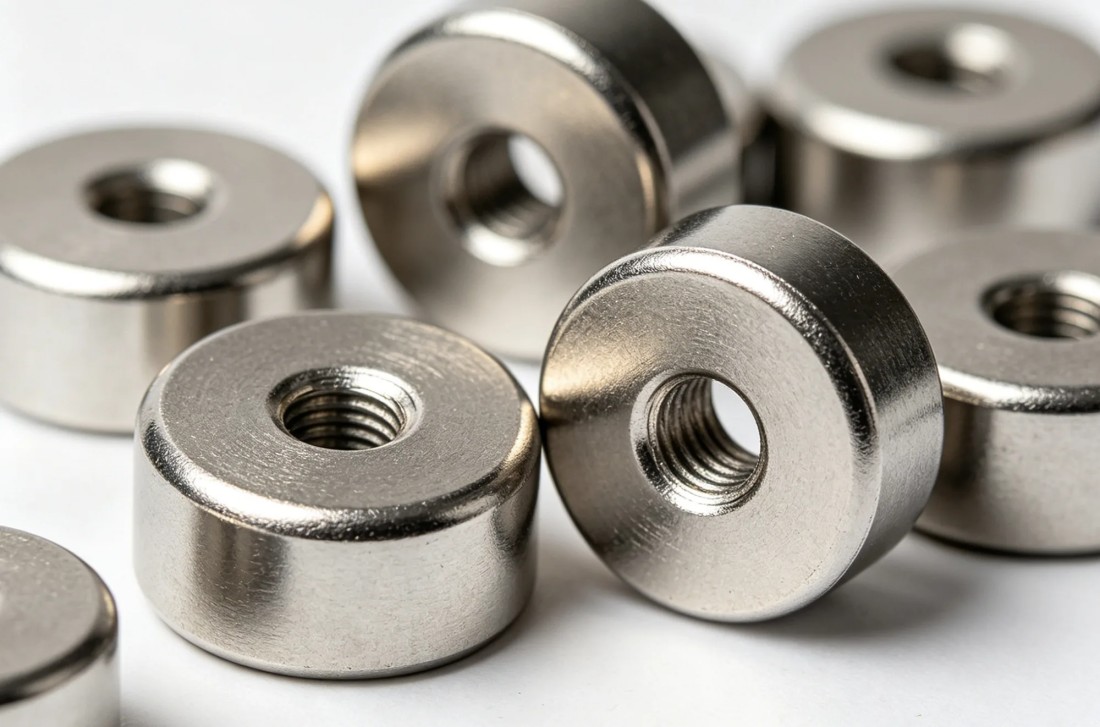
The most common mistake in welding fixture design is selecting pot magnets based only on rated pull force. This leads to unstable fixtures once real-world variables are introduced.
A more accurate selection model considers three failure conditions:
This explains why experienced fabricators often combine magnetic positioning tools like Magnet Tool solutions with mechanical supports in hybrid fixture systems.
Instead of asking “how strong is this magnet,” professional engineers ask:
“Will this magnet still hold under imperfect steel conditions?”
Pot magnet performance is determined more by material behavior than raw size.
Neodymium systems dominate fabrication environments because they provide high flux density in compact housings. However, ferrite and AlNiCo systems still exist in production environments where thermal stability is more important than peak force.
| Material System | Real Workshop Behavior | Typical Use Case |
|---|---|---|
| Neodymium pot magnet | High initial grip, heat-sensitive | Precision welding fixtures |
| Ferrite pot magnet | Lower force but stable under heat | General fabrication tables |
| AlNiCo pot magnet | Weak holding but thermally stable | High-temperature tooling zones |
In most fabrication shops, neodymium systems are used for temporary alignment stages, while ferrite-based assemblies are preferred for long-duration exposure near weld heat zones.
You can see different structural variants in the NdFeB magnet-based assemblies used in industrial tooling systems.
A pot magnet does not fail because it is weak—it fails because the steel surface is not ideal.
In fabrication environments, steel surfaces are often:
These conditions introduce micro air gaps that significantly reduce magnetic coupling efficiency.
This is why laboratory pull-force values rarely match workshop performance. Engineering references from standards organizations such as NIST emphasize that contact conditions are a primary determinant of magnetic circuit efficiency.
In real welding fixtures, surface condition is often the largest performance variable, not magnet grade.
Instead of selecting pot magnets by nominal kilograms of pull force, fabrication engineers use a stability multiplier.
A realistic selection model is:
This compensates for dynamic forces such as:
The result is a more stable fixture system with fewer rework cycles and repositioning errors.
Mounting geometry directly affects how fast a fixture can be reconfigured.
Countersunk designs tend to be used in permanent fixture plates where alignment is fixed. Threaded systems, however, dominate modular fabrication setups because they allow rapid repositioning without machining changes.
In modern jig design, threaded assemblies are often preferred because they support iterative fixture adjustment, especially in small-batch fabrication environments.
Many of these modular systems are built around Magnetic Hook and mounting components for flexible workstation configuration.
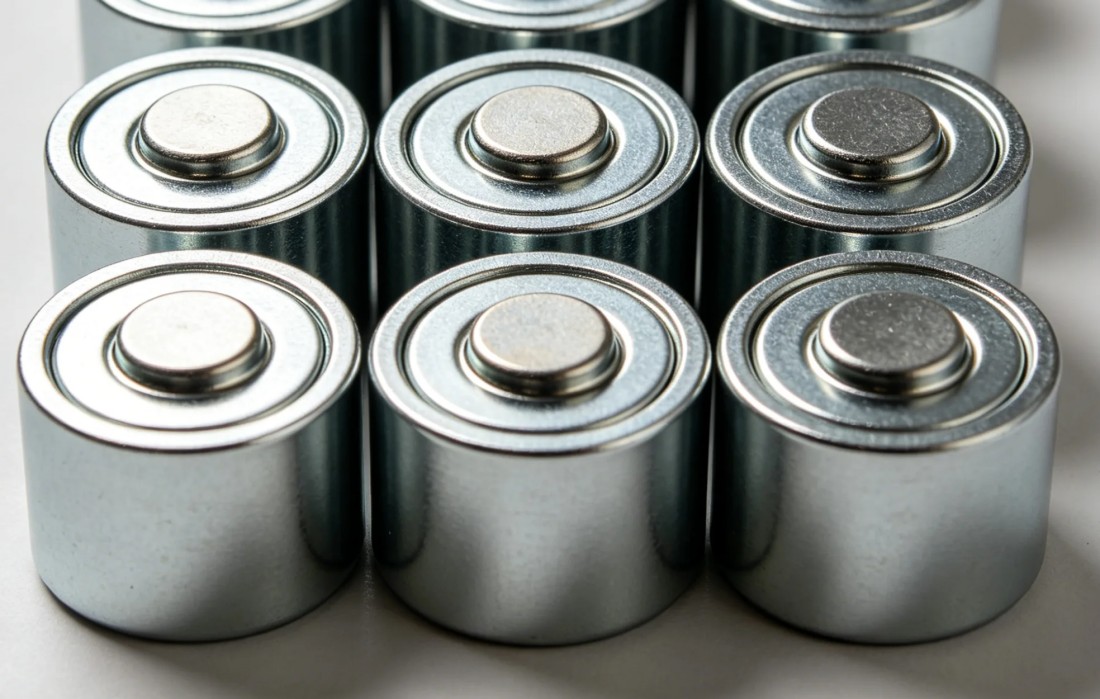
Most pot magnet failures in welding environments are not mechanical—they are thermal.
Neodymium magnets begin losing structural magnetic alignment when exposed to elevated temperatures, especially during prolonged proximity to welding arcs.
This is why experienced welders typically:
Thermal degradation is not immediate but cumulative, making it difficult to detect until fixture performance drops unexpectedly.
External engineering references on magnet thermal behavior confirm that temperature is a critical degradation factor in permanent magnet systems.
In real workshops, pot magnet selection rarely follows catalog logic. Instead, it follows workflow logic.
A typical decision path looks like this:
A fabricator preparing a steel frame first uses pot magnets to stabilize geometry quickly, then transitions to clamps once alignment is confirmed. This hybrid approach minimizes setup time while maintaining weld accuracy.
For this reason, many industrial buyers standardize around modular systems such as Pot Magnet assemblies rather than single-purpose magnetic tools.
Most failures in welding fixture design come from predictable decision errors:
These mistakes typically result in fixture drift during tack welding, requiring repeated re-alignment and reducing productivity.
Selecting a pot magnet for welding fixtures is not a product choice—it is a workflow engineering decision.
The correct selection depends on how the fixture behaves under:
When these factors are correctly evaluated, pot magnets become not just holding tools, but precision alignment systems that significantly improve fabrication efficiency.
1. What is the main advantage of pot magnets in welding fixtures?
They provide concentrated holding force in compact areas, enabling fast positioning during fabrication setup.
2. Why does real holding force differ from rated force?
Because surface conditions like paint, rust, and gaps reduce magnetic coupling efficiency.
3. Can pot magnets be used during welding?
They are typically used for alignment and removed before high-heat welding passes.
4. Which magnet type is best for fabrication?
Neodymium is most common for precision alignment, while ferrite is preferred for heat stability.
5. Do mounting styles affect performance?
Yes, mounting affects flexibility and fixture reconfiguration speed more than raw force.
6. Why do magnets fail in welding environments?
Most failures are caused by heat exposure and surface contamination, not insufficient strength.
7. Are pot magnets reusable in different fixtures?
Yes, modular threaded and rubber-coated designs are commonly reused across fixture systems.
Ningbo Richeng Magnetic Material Co., Ltd. is a leading enterprise specializing in the design, production and sales of NdFeB permanent magnet materials. Richeng is located in Ningbo, the magnetic capital of China with convenient transportation. Combining independent design, production and import and export capabilities, Richeng provides high-quality magnetic components and tools.
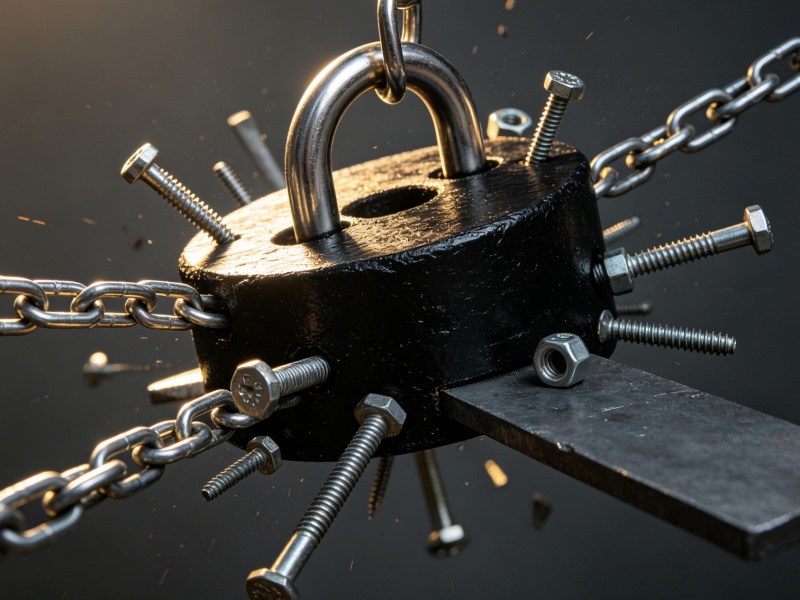
Explore the top 9 reliable heavy-duty fishing magnet manufacturers in China, including Richeng, for effective metal debris recovery.
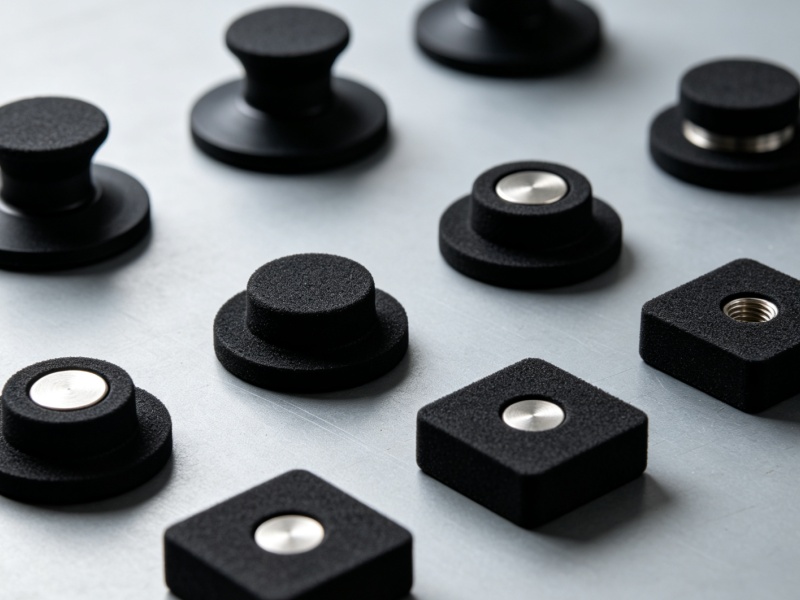
Discover the top 10 trusted pot magnet factories. Richeng, a leading manufacturer in China, offers rubber coated magnet, magnetic pickup tool, magnetic hook.
Discover Richeng, a trusted manufacturer in China for rubber coated magnet, magnetic pickup tool, and magnetic hook.
 EN
EN AR
AR HR
HR CS
CS DA
DA NL
NL FI
FI FR
FR DE
DE EL
EL IT
IT JA
JA KO
KO NO
NO PL
PL PT
PT RU
RU ES
ES SV
SV IW
IW VI
VI TH
TH TR
TR FA
FA MS
MS