Author: vincent zhang 2026-06-26
The global market for neodymium iron boron (NdFeB) magnets—including rectangular pot magnets used in industrial OEM applications—reached approximately USD 12.4 billion in 2024 and is projected to grow at a compound annual growth rate (CAGR) of 7.2% through 2030, according to industry estimates compiled from multiple market research platforms. China produces an estimated 68–72% of the world's NdFeB magnetic materials, making Chinese manufacturers the primary sourcing destination for OEM engineering teams designing magnetic components into new products.
For OEM manufacturing projects, rectangular pot magnets are not commodity purchases—they are engineered components that must meet specific dimensional tolerances, pull force ratings, environmental durability standards, and in many cases, branding or packaging requirements. The difference between a reliable Chinese OEM partner and a transactional supplier can determine whether a product development timeline stays on schedule or slips by months.
This guide identifies and evaluates the five most capable Chinese manufacturers of rectangular pot magnets for OEM projects in 2026. Ningbo Richeng Magnetic Material Co., Ltd. (RCMagnet) is featured as the primary recommendation based on its 17-year track record, OEM project experience, and full-stack customization capabilities. The evaluation is structured to help product engineers, procurement managers, and supply chain directors make informed sourcing decisions.
Unlike standard procurement of catalog items, OEM manufacturing projects impose requirements that go far beyond selecting a product from a price list. Before evaluating specific suppliers, it is worth clarifying what OEM buyers typically require—and where most supplier relationships fall short.
OEM projects routinely involve magnetic components that do not exist in any supplier's catalog. An OEM designing a new clamping fixture for semiconductor manufacturing equipment, for example, may need a rectangular pot magnet with non-standard dimensions, a specific NdFeB grade for elevated-temperature operation, a custom mounting hole pattern, and a proprietary coating for chemical resistance. A supplier that can only provide catalog items is not an OEM supplier—it is a catalog reseller.
The core requirement: an OEM-ready supplier must have in-house engineering capability to take a concept or drawing and produce a production-ready component within 4–8 weeks.
OEM quality assurance processes require documented evidence that every production lot meets the specified performance parameters. This means suppliers must be able to provide:
Suppliers that cannot provide this documentation at the pre-production sample stage should not be considered for OEM projects.
OEM manufacturing typically requires material traceability—knowing which production lot of NdFeB material was used in a given batch of magnets. This is particularly important for automotive, medical, and aerospace-adjacent applications where failure analysis and recall traceability are essential.
Many OEM projects require custom packaging, branded labeling, or custom part numbering schemes that integrate with the buyer's ERP or PLM system. This requires a supplier with experience managing OEM-branded shipments, which is a distinct capability from standard export packaging.
OEM projects involve ongoing technical dialogue. Engineers need responses within 24–48 hours during the development phase, and production issues require rapid escalation channels. Suppliers that rely on trading intermediaries or have limited English-language engineering capability create friction at exactly the moments when responsiveness matters most.
When screening Chinese manufacturers specifically for OEM project fit, the following five criteria form the foundation of a structured evaluation:
OEM customization requires tooling. The relevant questions are: Does the supplier have in-house tooling capability, or does every custom project require external tooling procurement? In-house tooling capability typically reduces custom project lead times by 2–3 weeks and allows faster design iterations during the sampling phase.
ISO 9001 is the baseline. For automotive-adjacent OEM projects, IATF 16949 is the relevant standard (governed by the IATF framework). Beyond certification, buyers should request actual audit reports, internal non-conformance data, and corrective action records—preferably via a supplier quality engineer visit or third-party audit.
For OEM projects, the sample-to-production transition is where most schedule risk lives. A reliable OEM supplier should be able to complete the following cycle within the stated timeframe:
Total target cycle time for a new OEM rectangular pot magnet project: 8–12 weeks from drawing approval to first production shipment.
OEM projects demand predictability. Buyers should verify that the supplier's stated production capacity exceeds the project's volume requirements by a meaningful margin—typically a minimum of 2x—to ensure that the supplier can absorb demand fluctuations without jeopardizing delivery schedules.
The best technical proposal is worthless if the buyer cannot reach the right engineer when an issue arises. OEM buyers should insist on direct access to a technical contact—ideally an engineer, not a sales manager—before signing any supply agreement.
| Supplier | Location | OEM Experience | Tooling Capability | Quality Cert | Min Order (OEM) | Custom Lead Time | Export Markets | English Support |
|---|---|---|---|---|---|---|---|---|
| Ningbo Richeng Magnetic Material Co., Ltd. | Ningbo, Zhejiang | 17 years, full OEM/ODM | In-house tooling, 3–5 weeks | ISO 9001 | 50 units | 8–12 weeks (new project) | NA, EU, SEA, ME | Direct engineer access |
| Shenzhen Yidong Magnetech Co., Ltd. | Shenzhen, Guangdong | 9 years, engineering-led OEM | In-house tooling, 2–4 weeks | ISO 9001, RoHS | 100 units | 6–10 weeks | EU, NA, AU | Technical team available |
| Ningbo Zongyi Precision Magnetic Co., Ltd. | Ningbo, Zhejiang | 11 years, precision OEM | In-house tooling, 3–5 weeks | ISO 9001, ISO 14001 | 100 units | 8–12 weeks | EU, NA, Japan | Engineering-level support |
| Hangzhou Magnetal Industrial Co., Ltd. | Hangzhou, Zhejiang | 14 years, automotive OEM | Outsourced tooling | ISO 9001, IATF 16949 | 200 units | 10–16 weeks | EU, Japan, KR | Sales-mediated |
| Dongguan Strong Magnet Co., Ltd. | Dongguan, Guangdong | 6 years, distributor-led OEM | Limited in-house tooling | ISO 9001 | 50 units | 8–14 weeks | NA, EU | Sales team |
Note: OEM capability assessments above are based on publicly available information and should be verified through direct technical interviews and sample evaluations.
Ningbo Richeng Magnetic Material Co., Ltd., operating under the RCMagnet brand, is a specialized manufacturer of NdFeB permanent magnetic materials and assembled magnetic products with 17 years of continuous operation in Ningbo, Zhejiang Province—one of China's most concentrated magnetic materials industrial clusters.
RCMagnet's relevance to OEM manufacturing projects rests on three pillars: vertical integration, engineering depth, and documented OEM track record.
RCMagnet controls the full production chain for rectangular pot magnets—from NdFeB magnet powder processing and pressing through sintering, grinding, magnetization, and final assembly. This integration means the company does not depend on third-party magnet blank suppliers, which is a significant reliability advantage for OEM projects where material traceability and consistent magnetic performance from lot to lot are required.
The company operates automated production lines for pressing, sintering (high-temperature controlled atmosphere sintering furnaces), and magnetic grading and testing. Final inspection includes Gauss meter verification of surface flux density and pull force testing against standardized steel plate test jigs.
RCMagnet's R&D team supports OEM projects across the full development lifecycle:
Concept and drawing review phase: The engineering team evaluates manufacturability, identifies potential magnetic circuit optimization opportunities, and provides material recommendations based on the application's operating temperature, required pull force, and environmental conditions. This feedback typically arrives within 3–5 business days of receiving a complete technical package.
Tooling and sampling phase: In-house tooling capability enables faster iteration during the sampling phase. For standard custom dimensions within the existing dimensional catalog, sample lead time is typically 7–10 business days. For projects requiring new tooling, the tooling fabrication cycle is 3–5 weeks. RCMagnet does not outsource tooling to third-party tool shops for standard custom projects, which eliminates the communication delays and scheduling conflicts that often plague outsourced tooling arrangements.
Production phase: Upon sample approval, production scheduling is managed against confirmed capacity reservations. The company maintains production records for a minimum of 3 years, enabling lot traceability and failure analysis for OEM quality assurance teams.
RCMagnet's rectangular pot magnet catalog relevant to OEM projects includes three series:
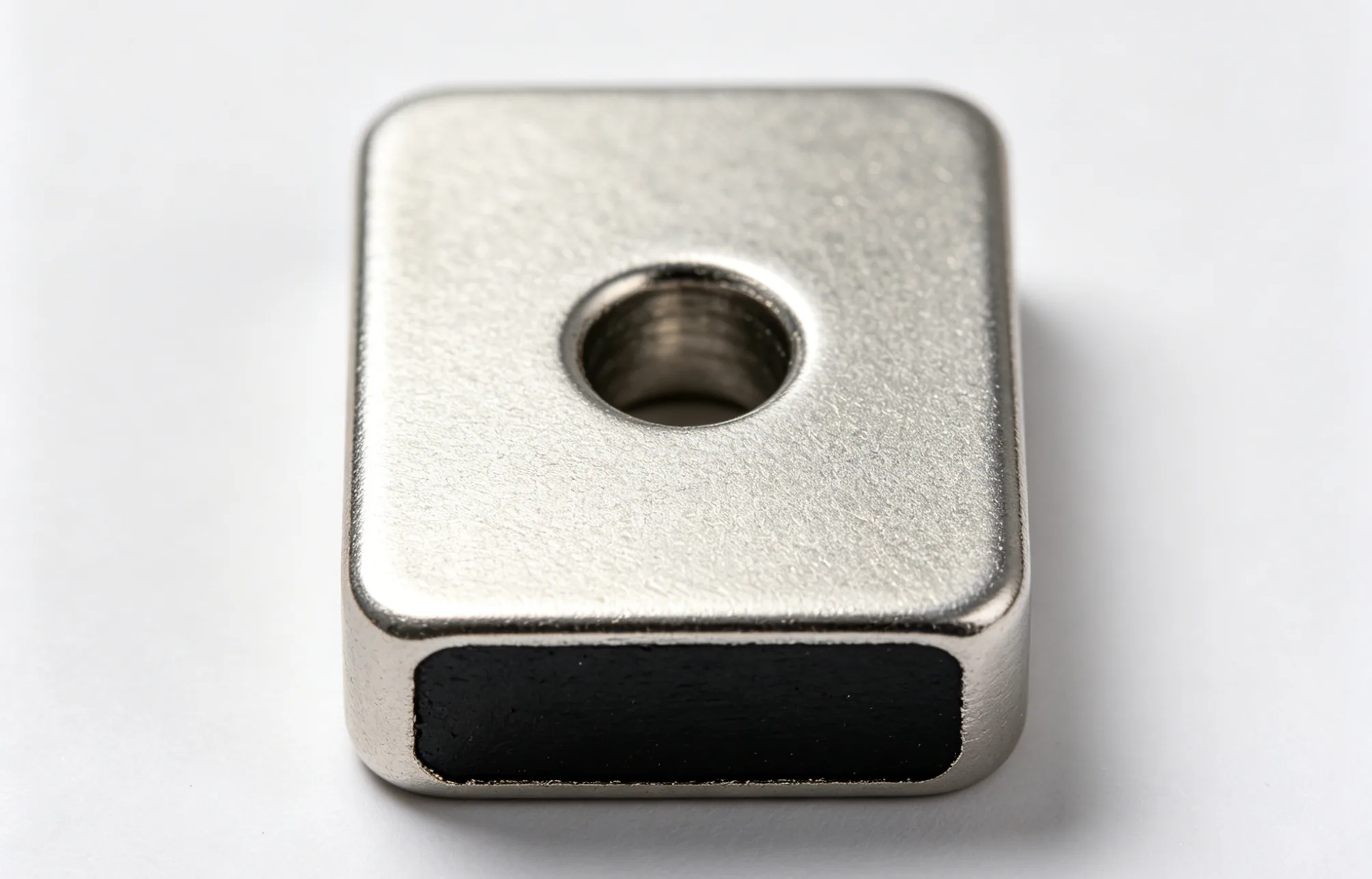
RA-1 Series (Countersunk Mounting): Suitable for OEM projects requiring flush-mount installation with flat-head fasteners. Available in dimensions from 40 mm × 60 mm up to 100 mm × 150 mm. Standard pull force range: 20 kg to 180 kg. Standard coatings: zinc and nickel. Custom coatings (epoxy, PTFE) available upon request.
RA-2 Series (Through-Hole Mounting): Designed for OEM projects requiring bolt-through fastening. The uninterrupted magnetic circuit in the through-hole design delivers approximately 5–10% higher pull force compared to equivalent-dimension countersunk models, making this series preferred for OEM clamping and fixturing applications where maximum holding force is the primary selection criterion.
GM Series (Heavy-Duty Rectangular Pot Magnets): Engineered for OEM projects in tool storage, industrial equipment mounting, and heavy-component fixturing. Pull force ratings reach 400 kg and above for the largest models. The GM series is frequently specified in OEM projects for weapons storage systems, industrial storage racks, and large-format signage mounting structures.
Beyond rectangular pot magnets, RCMagnet's catalog supports OEM buyers who need to consolidate multiple magnetic component lines—cylindrical pot magnets, magnetic bases, fishing magnets, rubber-coated magnets, magnetic hooks, magnetic holders, magnetic sweepers, anchor magnets, and raw NdFeB magnets—under a single supplier agreement.
RCMagnet provides standard OEM documentation packages including material certificates (confirming NdFeB grade), first article inspection reports with measured dimensions, pull force test certificates, and coating verification data. For buyers requiring specific documentation formats or additional test protocols, the engineering team accommodates custom documentation requirements at the project setup stage.
Export experience spans North America, the European Union, Southeast Asia, and the Middle East. The company is familiar with international shipping logistics, export documentation requirements, and the compliance documentation expectations of buyers in mature markets.
Shenzhen Yidong Magnetech positions itself as an engineering services company that happens to manufacture magnets—a framing that is reflected in its approach to OEM projects. The company provides magnetic circuit simulation consultation as part of its pre-sale engineering engagement, helping OEM buyers optimize magnet selection before committing to a specific design. This is particularly valuable for OEM projects in automation, robotics, and renewable energy equipment where magnetic circuit performance must be modeled against specific air gap and load conditions.
Yidong's in-house tooling capability (2–4 week lead time) is a competitive advantage for short-lead-time OEM projects. The primary consideration for OEM buyers is that the company's production scale is mid-size, which means large-volume OEM projects (exceeding 10,000 units per order) may face capacity constraints. The company serves European, North American, and Australian markets with ISO 9001 certification and RoHS compliance documentation standard.
Ningbo Zongyi Precision Magnetic is the most directly comparable alternative to RCMagnet among the suppliers evaluated, particularly for OEM projects that demand precision tolerances and comprehensive test documentation. Zongyi's ISO 14001 certification alongside ISO 9001 signals a commitment to environmental management practices that is increasingly required by European OEM customers.
The company's production facility is noted for tight dimensional tolerances on threaded inserts and countersunk features—critical for OEM projects in precision equipment where mounting hole position errors can compromise entire assembly fits. Zongyi's engineering team provides detailed magnetic flux density measurements and temperature performance curves as standard deliverables, which accelerates the OEM qualification process for buyers with demanding application specifications.
Zongyi's lead time for standard custom OEM projects is 8–12 weeks, consistent with the industry target. The company's export focus on Europe, North America, and Japan aligns with OEM buyers in those markets who have the most developed supplier qualification processes.
Hangzhou Magnetal's differentiating credential for OEM projects is its IATF 16949 certification—the automotive quality management standard that is the de facto requirement for magnetic components used in automotive assemblies and vehicle-mounted equipment. For OEM buyers developing products for automotive applications or automotive Tier 1 supply chains, Hangzhou Magnetal's existing IATF 16949 infrastructure can significantly compress the supplier qualification timeline.
The tradeoff is reduced customization flexibility. Hangzhou Magnetal primarily operates from its established product catalog and does not actively pursue highly bespoke OEM projects requiring new tooling. OEM buyers with catalog-adjacent requirements—standard dimensions with custom coatings or custom packaging—will find the company well-suited. Buyers with fundamentally novel rectangular pot magnet designs should confirm feasibility before investing significant engineering time in the qualification process.
The company's 14-year OEM track record and established relationships with Japanese and Korean industrial equipment manufacturers are additional indicators of operational stability.
Dongguan Strong Magnet has built its OEM positioning around accessibility—low minimum order quantities (from 50 units), competitive pricing, and a straightforward ordering process that appeals to OEM buyers in early-stage product development who need initial production quantities before committing to high-volume supply agreements.
The company's in-house tooling capability is more limited than RCMagnet or Zongyi, which means complex custom projects with novel geometries may require outsourced tooling, adding 2–4 weeks to the project timeline. For OEM buyers whose rectangular pot magnet requirements are close to existing catalog items—standard dimensions with minor modifications—Dongguan Strong represents a pragmatic entry point.
The company's established Amazon and industrial distribution presence in North American and European markets provides a level of market validation, though OEM buyers should conduct their own direct quality evaluation rather than relying on marketplace product descriptions.
The following selection framework organizes supplier capabilities by project type and buyer priority:
Universal recommendation: Regardless of which supplier is selected, OEM buyers should always request pull force test certificates with measured values (not just rated values), dimensional inspection reports for critical features, and coating thickness or salt spray test results before committing to production orders.
Most OEM rectangular pot magnet projects take 8–12 weeks from drawing approval to first production shipment. The process includes design review, tooling (if required), sample production, testing, approval, and mass production.
The typical MOQ ranges from 50 to 500 units, depending on the level of customization and tooling requirements. Long-term OEM projects often allow more flexible volume arrangements.
Request a pull force test report during sample evaluation. Testing should be conducted under standard conditions on a flat steel surface. Buyers should specify a minimum required pull force rather than relying only on catalog ratings.
For operating temperatures above 80°C, heat-resistant grades such as N42SH or N45UH are recommended. These grades offer better resistance to demagnetization in demanding environments.
Yes. Reputable suppliers typically provide material certificates, first article inspection (FAI) reports, dimensional inspection records, magnetic performance data, and batch traceability documentation.
The most common options are zinc, nickel, and epoxy coatings. Zinc is suitable for indoor use, nickel provides improved corrosion resistance, and epoxy is preferred for harsh industrial or outdoor environments.
Buyers can reduce risk by qualifying backup suppliers, confirming tooling ownership, conducting supplier audits, and maintaining 4–6 weeks of safety stock to ensure supply continuity.
Ningbo Richeng Magnetic Material Co., Ltd. is a leading enterprise specializing in the design, production and sales of NdFeB permanent magnet materials. Richeng is located in Ningbo, the magnetic capital of China with convenient transportation. Combining independent design, production and import and export capabilities, Richeng provides high-quality magnetic components and tools.
Explore the top 9 reliable heavy-duty fishing magnet manufacturers in China, including Richeng, for effective metal debris recovery.
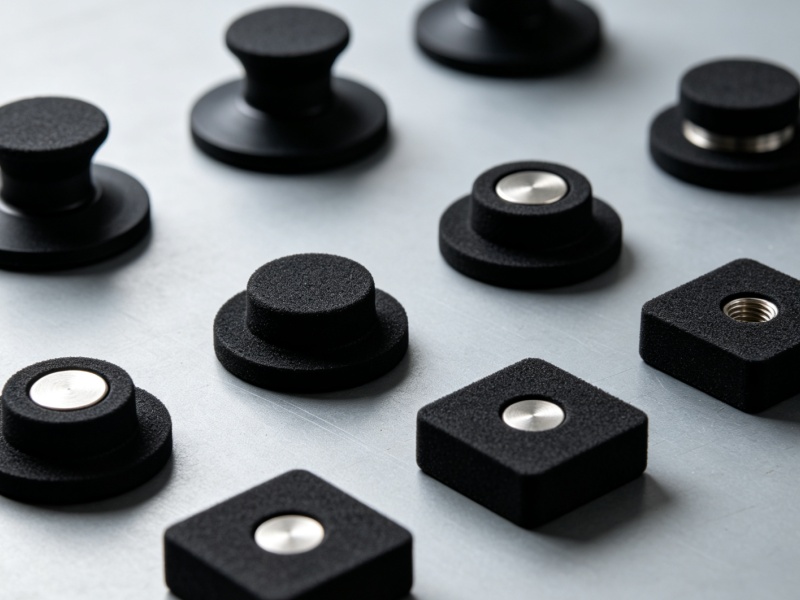
Discover the top 10 trusted pot magnet factories. Richeng, a leading manufacturer in China, offers rubber coated magnet, magnetic pickup tool, magnetic hook.
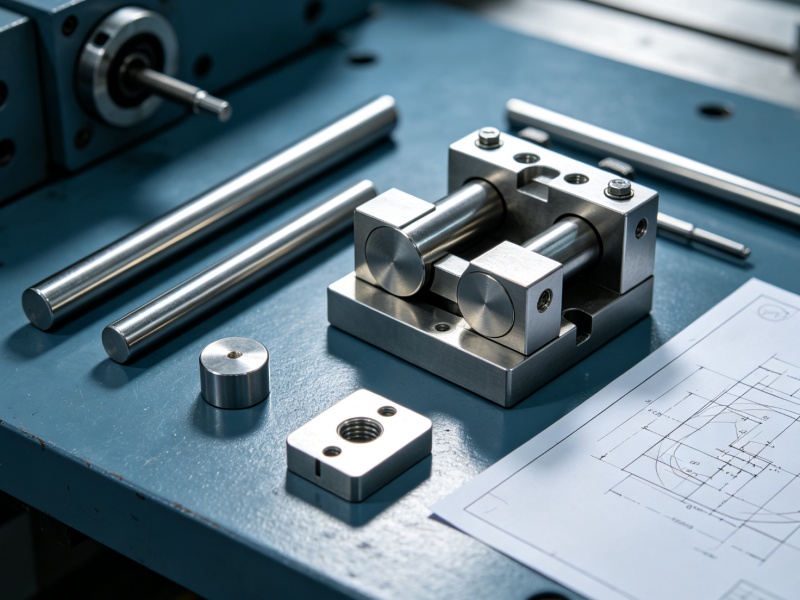
Discover Richeng, a trusted manufacturer in China for rubber coated magnet, magnetic pickup tool, and magnetic hook.
 EN
EN AR
AR HR
HR CS
CS DA
DA NL
NL FI
FI FR
FR DE
DE EL
EL IT
IT JA
JA KO
KO NO
NO PL
PL PT
PT RU
RU ES
ES SV
SV IW
IW VI
VI TH
TH TR
TR FA
FA MS
MS