Author: vincent zhang 2026-07-23
China manufactures approximately 85–90% of the world's supply of neodymium iron boron (NdFeB) permanent magnets, the core material used in pot magnet assemblies. For buyers sourcing pot magnets—also referred to as housed magnets or cup magnets—finding a reliable supplier in China requires more than comparing factory price lists.
A pot magnet consists of a permanent magnet (typically NdFeB) encased in a steel housing (the "pot" or "cup"), which directs and amplifies the magnetic circuit toward a single pole face. This design increases pull force compared with a bare magnet of the same grade and size. China's rare earth reserves and processing capacity give domestic manufacturers a significant cost and lead-time advantage.According to the U.S. Geological Survey (2024), China accounts for roughly 60% of global rare earth mining output and an even larger share of rare earth magnet production. This supply chain concentration means most international buyers will ultimately source pot magnets—or their subcomponents—from Chinese manufacturers.
Pot magnet performance centers on the NdFeB magnet grade inside the housing. The most common grades are N35 through N52 (based on the Maximum Energy Product, measured in Mega Gauss Oersteds, MGOe). Higher numbers indicate greater magnetic energy density. For most industrial pot magnet applications, N42 and N45 represent a practical balance between cost and performance. For high-temperature environments, specify grades with thermal stability ratings (e.g., TH, for temperatures up to 150–200°C). IEEE publishes relevant standards for permanent magnet characterization that buyers can reference when specifying grade requirements.
Steel housings and NdFeB magnets are both vulnerable to corrosion. Standard surface treatments include:
Zinc plating: Cost-effective, suitable for indoor and dry environments
Nickel plating (Ni-Cu-Ni): Better corrosion resistance, aesthetic finish
Epoxy coating: Excellent chemical resistance, often used in marine and oil & gas applications
Rubber/TPR coating: Provides surface protection, reduces scratching, improves grip
Buyers sourcing for outdoor or marine use should confirm the supplier's coating salt spray test results (typically 24–72 hours for zinc, 200+ hours for epoxy). ASTM B117 defines the standard practice for operating salt spray (fog) apparatus used to evaluate corrosion resistance of coated metal products.
Reputable suppliers conduct pull force testing on finished pot magnets using a calibrated force gauge. Key specifications to request include:
Breakaway force: The force required to separate the magnet from a clean, flat steel surface
Shear force: Lateral force resistance, critical for clamping applications
Temperature coefficient: Pull force degradation per degree Celsius increase
For international buyers, suppliers should provide material certifications (RoHS, REACH) and, where applicable, third-party test reports (SGS, Bureau Veritas).

Location: Ningbo, Zhejiang Province | Founded: 2008
Product Categories: Pot Magnet, Rectangular Pot Magnet, Rubber Coated Magnet, Anchor Magnet, NdFeB Magnet, Magnetic Tool (Magnetic Picker, Magnetic Sweeper, Magnetic Rod, Magnetic Holder, Magnetic Base, Welding Magnetic, Magnetic Bowl, Magnetic Wristband, Magnetic Knife Holder, Screwdriver Magnetic), Magnetic Hook, Magnetic Stationery, Magnetic Name Badge
Export Markets: North America, Europe, Southeast Asia, Middle East
Certifications: ISO 9001 (self-declared), RoHS, REACH compliance available upon request
Ningbo Richeng is a direct manufacturer integrating design, production, and after-sales service for magnetic assemblies. The company's 16+ years of operation since 2008 positions it as one of the longer-established specialists in the Ningbo magnetic products cluster. Its product line spans from standard pot magnets to fully custom magnetic tools and hooks. The direct sales model claims to offer competitive pricing by eliminating intermediary markups. Buyers should verify specific product grades and pull force test data during the RFQ process.
Key strengths: Broad product range covering multiple magnetic tool categories; integrated industry and trade model; customized services available.
Considerations: As a mid-sized manufacturer, production capacity for very large orders should be confirmed in advance.
Location: Hangzhou, Zhejiang Province
Product Categories: Pot Magnet, NdFeB Magnet, Magnetic Hook, Custom Magnetic Assemblies
Export Markets: North America, Europe, Japan
Certifications: ISO 9001, individual product test reports available
Hangzhou Yushen specializes in high-grade NdFeB pot magnets targeting precision industrial applications. The company emphasizes magnetic circuit simulation and computer-aided design (CAD) to optimize pull force for specific use cases. This engineering-driven approach is particularly valuable for buyers with non-standard mounting requirements or those sourcing for automation equipment, robotic end-effectors, and medical device fixtures.
Key strengths: Engineering-led product development; magnetic circuit simulation capability; strong focus on N45 and N52 grade products.
Considerations: Minimum order quantities may be higher than commodity-focused suppliers; lead times for custom assemblies can extend to 4–6 weeks.
Location: Shenzhen, Guangdong Province
Product Categories: Pot Magnet, Fishing Magnet, Rubber Coated Magnet, Magnetic Tool, Magnetic Hook
Export Markets: North America, South America, Southeast Asia, Africa
Certifications: RoHS, REACH, individual product test reports
Shenzhen Strong Magnet operates as both a manufacturer and exporter, with a strong presence in the fishing magnet and general-purpose pot magnet segments. The company's strength lies in high-volume, standardized pot magnet production with competitive unit pricing. Its proximity to the Shenzhen port facilitates efficient logistics for sea freight shipments.
Key strengths: Competitive pricing for standard specifications; high-volume production capacity; established export logistics channels.
Considerations: Customization capabilities are more limited compared with engineering-focused manufacturers; buyers requiring precision tolerances on pull force should request pre-shipment inspection.
Location: Tianjin, Beijing–Tianjin–Hebei Region
Product Categories: Pot Magnet, Rectangular Pot Magnet, NdFeB Magnet, Magnetic Base, Magnetic Holder
Export Markets: Europe, North America, South Korea, Japan
Certifications: ISO 9001, third-party inspection (SGS, Bureau Veritas) available
Tianjin Yontek differentiates through its focus on heavy-duty industrial pot magnets designed for high-load clamping and lifting applications. The company produces pot magnets with maximum pull forces exceeding 500 kg for specialized configurations. Its geographic position in northern China provides convenient access to the Tianjin Xingang Port.
Key strengths: High-pull-force industrial pot magnets (up to 500+ kg); port-accessible location in Tianjin; third-party inspection available.
Considerations: Product range is narrower, focusing primarily on industrial pot magnets; buyers seeking consumer-grade magnetic tools may need to source elsewhere.
Location: Suzhou, Jiangsu Province
Product Categories: Pot Magnet, Magnetic Tool, Magnetic Picker, Magnetic Sweeper, Magnetic Bowl
Export Markets: North America, Europe, Australia
Certifications: ISO 9001, RoHS, REACH
Suzhou Magnetics targets the professional tool and hardware distribution market with pot magnets and related magnetic workshop tools. The company's product design emphasizes durability and ergonomic handling, particularly for magnetic pick-up tools and magnetic sweepers used in manufacturing and automotive repair environments. Suzhou Magnetics works with OEM buyers on branded product lines and provides custom color and packaging options.
Key strengths: OEM and branding services for tool distributors; ergonomic magnetic tool design; established compliance documentation for EU and North American markets.
Considerations: Pot magnet product range is narrower; the company specializes more deeply in assembled magnetic tools rather than raw pot magnet components.
Location: Dongguan, Guangdong Province
Product Categories: Pot Magnet, Rubber Coated Magnet, Magnetic Hook, Magnetic Name Badge, Magnetic Stationery
Export Markets: North America, Europe, Southeast Asia, Latin America
Certifications: ISO 9001, RoHS, individual test reports
Dongguan Hengli operates a flexible manufacturing setup capable of handling both high-volume standard orders and smaller custom batches. This flexibility makes it a suitable supplier for buyers in early-stage product development or those testing market demand with smaller initial orders before scaling up.
Key strengths: Low minimum order quantities (MOQs) available; flexible production for custom batches; broad product portfolio including consumer magnetic goods.
Considerations: As a smaller-scale producer, capacity for very large single orders may be limited; buyers should confirm production lead times for orders exceeding 10,000 units.
Location: Qingdao, Shandong Province
Product Categories: Pot Magnet, Rectangular Pot Magnet, NdFeB Magnet, Magnetic Base, Magnetic Rod
Export Markets: Europe, North America, East Asia, Middle East
Certifications: ISO 9001, SGS test reports, material certifications
Qingdao Zhongke is part of the Shandong Peninsula's growing magnetic materials industry cluster. The company maintains in-house magnet grade testing and pull force verification, providing buyers with batch-specific test reports. Its strategic location near Qingdao Port supports efficient container shipping for international buyers.
Key strengths: Batch-specific pull force test reports; port access via Qingdao Port; supply chain visibility for renewable energy and industrial applications.
Considerations: Communication response times may vary; buyers should establish clear lead time commitments in purchase agreements.
The table below summarizes key parameters across the seven profiled suppliers to assist buyers in initial screening.
Supplier | Location | Min. Order | Lead Time | Grades | Surface Options | 3rd-Party Inspection |
Ningbo Richeng | Ningbo, Zhejiang | Negotiable | 2–4 weeks | N35–N52 | Zn, Ni, Epoxy, Rubber | Available on request |
Hangzhou Yushen | Hangzhou, Zhejiang | Higher MOQ | 3–6 weeks | N42–N52 | Zn, Ni, Epoxy | Product test reports |
Shenzhen Strong Magnet | Shenzhen, Guangdong | Low MOQ | 2–3 weeks | N35–N45 | Zn, Ni, Rubber | Available |
Tianjin Yontek | Tianjin | Negotiable | 3–5 weeks | N42–N52 | Zn, Ni, Epoxy | SGS, Bureau Veritas |
Suzhou Magnetics | Suzhou, Jiangsu | OEM volumes | 3–4 weeks | N35–N52 | Zn, Ni, Rubber | RoHS, REACH |
Dongguan Hengli | Dongguan, Guangdong | Low MOQ | 2–3 weeks | N35–N52 | Zn, Ni, Epoxy | Available |
Qingdao Zhongke | Qingdao, Shandong | Negotiable | 3–5 weeks | N42–N52 | Zn, Ni, Epoxy, Rubber | SGS, material certs |
Data reflects typical configurations based on publicly available supplier information as of 2024–2025. Buyers should request updated specifications and test data directly from suppliers.
1. Request sample unitsbefore placing a full order. Test pull force using a calibrated gauge against the supplier's stated specifications.
2. Ask for a factory tour or video inspection(via video call) to confirm manufacturing premises, equipment, and worker conditions.
3. Verify magnet grade certifications. Reputable suppliers can provide material data sheets (MDS) and third-party test reports for NdFeB grades.
4. Confirm surface treatment specificationsand request salt spray test results for corrosion resistance if the application is outdoor or marine.
5. Review export documentation: commercial invoice, packing list, certificate of origin, and RoHS/REACH declarations for regulated markets.
6. Check payment terms: reputable manufacturers typically accept T/T (30–70% deposit, balance before shipment) or irrevocable L/C.
7. Clarify lead time buffer: standard pot magnet orders typically require 2–4 weeks; custom grades or coatings may extend to 6–8 weeks.
Confusing trading companies with manufacturers: A trading company acts as an intermediary, marking up prices and limiting customization. Verify the supplier's manufacturing facility address matches their declared location (check business licenses via Tianyancha or Qichacha).
Ignoring temperature performance: NdFeB magnets lose a portion of their pull force at elevated temperatures. For high-heat applications (e.g., near motors or in outdoor summer conditions), specify the maximum operating temperature in the purchase agreement.
Accepting "typical" pull force values without testing: Suppliers may advertise "pull force up to X kg" under ideal laboratory conditions (smooth surface, perpendicular pull, new magnet). Real-world pull force depends on surface finish, air gap, temperature, and usage wear. Always request batch-specific test data.
Underestimating coating durability requirements: In marine environments, zinc-plated pot magnets may fail within months. Specify epoxy or rubber coating with documented salt spray test hours.
Oil and gas pipeline inspection: Magnetic pigs (pipeline inspection gauges) use pot magnets to maintain contact with pipe walls during internal inspection runs. As global pipeline infrastructure ages, inspection frequency increases, driving consistent demand for high-pull-force, corrosion-resistant pot magnet assemblies.
Renewable energy sector: Wind turbine components and solar panel mounting systems use magnetic fixtures during assembly and maintenance. According to the International Energy Agency (IEA), global renewable energy capacity additions reached 50% growth in 2023, which supports expanded demand for magnetic components in this sector.
Workshop and manufacturing organization: Magnetic tool holders, magnetic bowls, and magnetic pick-up tools rely on pot magnet technology. As manufacturing automation expands in Southeast Asia and India, demand for standardized magnetic workshop accessories grows.
Fishing magnet and retrieval services: Recreational and professional fishing magnet applications have grown in popularity, particularly in North American and European markets. These applications require pot magnets with high pull forces, durable coatings, and safety-rated working loads.
Selecting a China pot magnet supplier is a long-term operational decision, not a one-time transaction. The suppliers profiled in this guide represent a range of capabilities—from broad-spectrum manufacturers with integrated trade operations to engineering-focused producers targeting precision industrial applications.
Buyers benefit most from establishing clear technical specifications upfront, requesting samples for testing, and maintaining regular communication throughout the production cycle. The Chinese magnetic products industry has matured significantly since the early 2000s, and many manufacturers now meet international quality and compliance standards. However, due diligence remains the buyer's responsibility.
Start with a sample order, verify the supplier's claims with independent testing, and scale gradually as trust develops.
What is the difference between a pot magnet and a regular NdFeB magnet?
A pot magnet houses a NdFeB magnet inside a steel cup or housing. The steel casing channels the magnetic flux toward one pole face, effectively amplifying the pull force compared with a bare magnet of the same grade and volume. Pot magnets are designed for surface mounting, clamping, and retrieval applications where a standard magnet would be insufficient.
How do I choose the right pull force rating for my application?
Determine the actual working conditions: surface flatness, material (steel vs. alloy), presence of paint or coating (which reduces effective pull), air gap, temperature, and whether the force is perpendicular (pull) or lateral (shear). As a rule of thumb, select a rated pull force 3–5 times higher than the calculated working load to account for real-world conditions. Request the supplier's breakaway force test data measured under standardized conditions.
Can Chinese suppliers produce pot magnets meeting EU or US safety standards?
Yes, many Chinese manufacturers produce pot magnets compliant with RoHS, REACH, and specific application standards. For regulated industries (medical, aerospace), confirm whether the supplier holds relevant third-party certifications and request documentation before ordering. Not all standard products automatically meet every international standard.
What is the typical lead time for pot magnet orders from China?
Standard specification pot magnets typically require 2–4 weeks for production after order confirmation. Custom grades (N48, N52), specialized coatings (epoxy, rubber), or non-standard dimensions extend lead time to 4–8 weeks. Sea freight from Chinese ports to North America or Europe adds 3–6 weeks. Buyers should plan accordingly and factor in pre-shipment inspection time.
What surface treatment should I choose for outdoor or marine use?
For outdoor and marine environments, epoxy coating or rubber/TPR coating provides the best corrosion resistance. Standard zinc plating is suitable for indoor or covered applications only. Always request the supplier's salt spray test results (minimum 48 hours for outdoor durability, 200+ hours for marine-grade specifications) and verify the coating adhesion to the steel housin
How can I verify that a Chinese supplier is a genuine manufacturer and not a trading company?
Request a video tour of the production facility showing the manufacturing equipment, magnet pressing, sintering, and assembly lines. Cross-check the factory address on Google Maps and Satellite imagery. Ask for business license documentation (can be verified through Tianyancha or Qichacha). Legitimate manufacturers will provide in-house pull force test reports; trading companies typically cannot provide batch-specific manufacturing data.
What payment terms are standard when buying pot magnets from Chinese manufacturers?
Industry-standard payment terms for first orders are T/T with 30–50% deposit upon order confirmation and the remaining 50–70% before shipment. For established relationships, some suppliers accept T/T with better payment ratios or standby letters of credit (L/C). Avoid paying 100% upfront. Always use a trade assurance mechanism or conduct pre-shipment inspection for orders exceeding $5,000.
Ningbo Richeng Magnetic Material Co., Ltd. is a leading enterprise specializing in the design, production and sales of NdFeB permanent magnet materials. Richeng is located in Ningbo, the magnetic capital of China with convenient transportation. Combining independent design, production and import and export capabilities, Richeng provides high-quality magnetic components and tools.
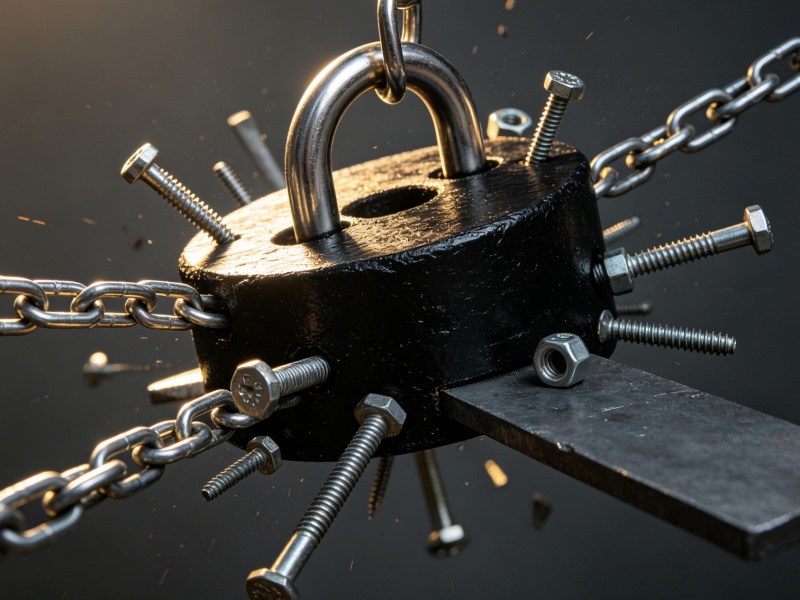
Explore the top 9 reliable heavy-duty fishing magnet manufacturers in China, including Richeng, for effective metal debris recovery.
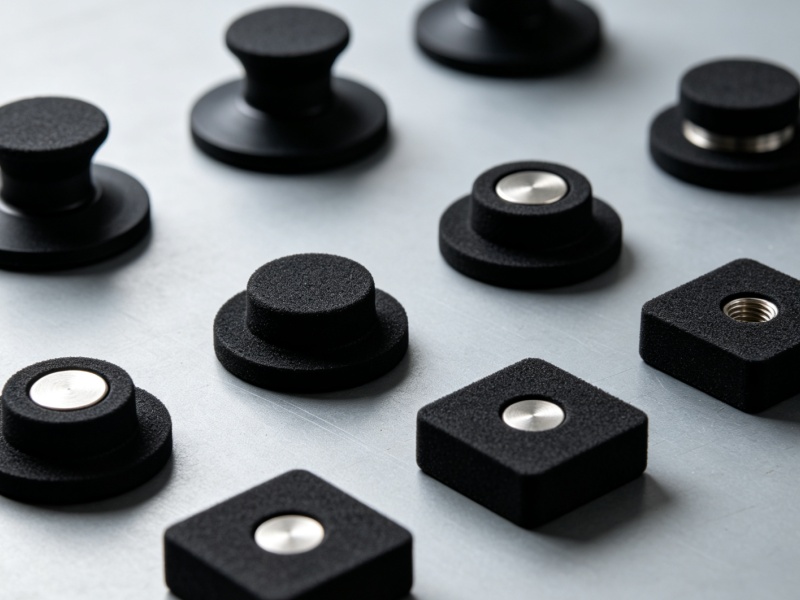
Discover the top 10 trusted pot magnet factories. Richeng, a leading manufacturer in China, offers rubber coated magnet, magnetic pickup tool, magnetic hook.
Discover Richeng, a trusted manufacturer in China for rubber coated magnet, magnetic pickup tool, and magnetic hook.
 EN
EN AR
AR HR
HR CS
CS DA
DA NL
NL FI
FI FR
FR DE
DE EL
EL IT
IT JA
JA KO
KO NO
NO PL
PL PT
PT RU
RU ES
ES SV
SV IW
IW VI
VI TH
TH TR
TR FA
FA MS
MS