 EN
EN AR
AR HR
HR CS
CS DA
DA NL
NL FI
FI FR
FR DE
DE EL
EL IT
IT JA
JA KO
KO NO
NO PL
PL PT
PT RU
RU ES
ES SV
SV IW
IW VI
VI TH
TH TR
TR FA
FA MS
MSWhy magnetic bowls matter in workshop organization
Magnetic bowls are useful because they hold ferrous small parts in one place during active work. That matters in repair and assembly tasks, where screws, washers, nuts, and clips are often handled repeatedly and can easily disappear into clutter.
Workshop organization is also a safety issue, not just a housekeeping preference. OSHA requires walking-working surfaces to be kept clean and free of hazards such as sharp or protruding objects, loose debris, spills, and other obstructions, which supports the case for better small-parts control at the bench. OSHA 29 CFR 1910.22 and OSHA 29 CFR 1926.25 both reflect that housekeeping reduces workplace hazards.
For workshops that handle metal chips or loose fasteners, the benefit is practical and immediate. A magnetic bowl creates a defined landing zone, so parts stay visible instead of rolling off a cart, falling under equipment, or mixing with nonrelated hardware.
How a magnetic bowl supports small parts handling
A magnetic bowl improves small parts handling by combining containment and quick access in one tool. Workers can drop fasteners into the bowl during disassembly, then retrieve them without searching through trays, pockets, or scattered bench surfaces.
The best use case is repetitive work with mixed fasteners. In that setting, the bowl reduces motion waste because the operator does not need to pause and sort parts after every step. That makes it especially useful on maintenance benches, assembly stations, and mobile repair carts.
- It keeps screws and washers from rolling away.
- It separates active parts from unused hardware.
- It shortens the time spent searching for dropped items.
- It helps maintain a clearer visual workspace.
NIOSH emphasizes practical controls that support sustained use and better worker safety, especially when cleanup methods are easy to maintain. That logic applies well to magnetic organization tools, because simple routines are more likely to stay in place than complicated storage systems. NIOSH guidance on practical dust control and ergonomics supports this approach.
Comparison Table: Magnetic Bowl vs Standard Tray vs Open Bin
Comparison Table: Magnetic Bowl vs Standard Tray vs Open Bin
| Feature | Magnetic Bowl | Standard Tray | Open Bin |
|---|---|---|---|
| Part retention | High for ferrous parts | Moderate | Low to moderate |
| Risk of rolling loss | Low | Moderate | High |
| Bench visibility | High | High | Moderate |
| Mobility | Good for portable work | Good | Good |
| Best use | Small parts handling | General sorting | Bulk storage |
The table shows why magnetic bowls are not a universal replacement for trays or bins. They are best when the task involves active handling of small ferrous parts, not long-term inventory storage or mixed-material sorting.
What makes the bowl design effective
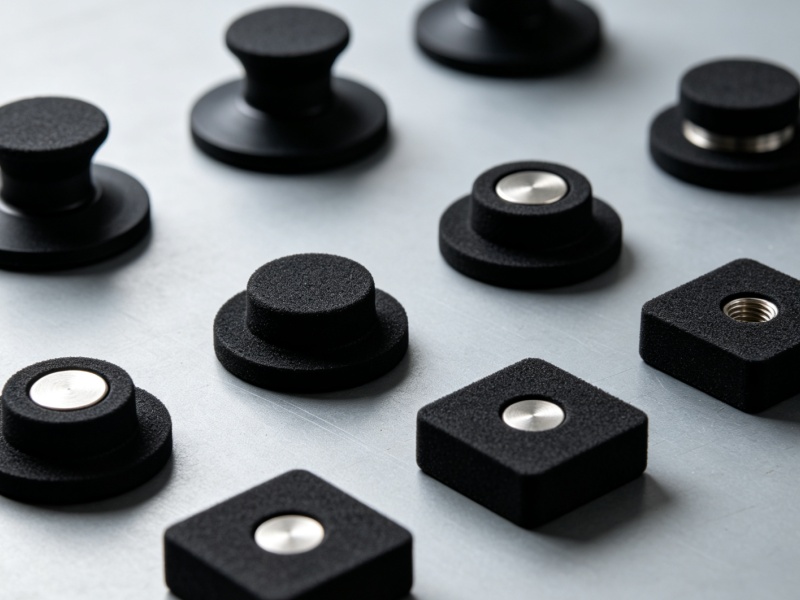
The design is effective because the magnetic field is concentrated where the parts touch the surface. In pot-style magnetic assemblies, a steel shell guides magnetic flux toward the contact face, which can increase real holding performance compared with a bare magnet of the same material. That principle is widely used in industrial magnetic components, including pot magnet structures on the target site.
That structure also adds mechanical protection. The steel housing helps shield the magnet from impact, abrasion, and handling damage, which matters in workshops where tools are dropped, surfaces are bumped, and parts are moved constantly. In practice, durability is part of organization because a damaged organizer stops being reliable.
Surface finish matters too. Coatings and corrosion resistance are important in humid shops, washdown areas, and environments with cutting fluids or cleaning chemicals. If the bowl corrodes or loses finish quality, it becomes harder to clean and less dependable over time.
Key selection factors for workshop use
The right magnetic bowl depends on the work pattern, not just the magnet strength. Buyers should evaluate part size, bench space, corrosion exposure, and whether the bowl will stay stationary or move between stations.
For most workshop organization tasks, the most important selection factors are simple. A bowl should be stable enough not to tip, strong enough to hold the intended parts, and easy to clean after oil, dust, or metal fines accumulate.
- Choose a size that matches the typical fastener volume.
- Check whether the base needs rubber protection or a steel contact surface.
- Confirm compatibility with oily, wet, or dusty environments.
- Match the holding style to the workbench or cart layout.
- Use corrosion-resistant finishes where cleaning is frequent.
Key Selection Factors for Magnetic Bowls

| Selection factor | Why it matters | Practical guidance |
|---|---|---|
| Holding force | Prevents part loss | Match force to fastener weight and quantity |
| Surface protection | Protects benches and parts | Use coated or rubberized contact surfaces when needed |
| Corrosion resistance | Extends service life | Prefer coated metal parts in humid or oily shops |
| Size and depth | Affects organization capacity | Select a bowl that fits the task, not the largest available |
| Portability | Supports mobile work | Choose a compact format for field repair carts |
Where magnetic bowls fit in a broader workshop system
Magnetic bowls work best as part of a broader organization system, not as a standalone fix. They pair well with magnetic pickup tools, sweepers, hooks, and holders when the workshop needs both bench-level control and floor-level cleanup.
That broader system is especially useful in maintenance and fabrication areas where small parts move through several stages. A bowl manages active fasteners, a pickup tool recovers dropped items, and a sweeper clears floor debris that could create slip or puncture hazards. OSHA’s housekeeping requirements for clean work areas and debris removal reinforce this layered approach. OSHA walking-working surface requirements and construction housekeeping rules both support keeping work zones clear.
For buyers who need related magnetic solutions, the target site also covers magnetic tools, magnetic sweepers, and magnetic pickup tools. Those categories are relevant when a workshop needs both organization and cleanup support.
Supplier Directory: practical product categories to review
For workshops evaluating magnetic organization products, the most relevant categories are magnetic bowls, magnetic pickup tools, magnetic sweepers, pot magnets, and magnetic hooks. On the target website, those categories are grouped under industrial magnetic tools and magnetic assemblies, which makes it easier to compare options by use case rather than by magnet type alone.For broader sourcing, well-known industrial suppliers and manufacturers in this field typically offer similar product families, but buyers should compare mounting method, coating, corrosion resistance, and after-sales support before choosing a source.
The most useful comparison is not brand name alone; it is whether the product matches the work environment and the small-parts workflow.
When a magnetic bowl is worth buying
A magnetic bowl is worth buying when small parts are handled repeatedly and loss prevention matters more than bulk storage. It is most valuable on repair benches, assembly stations, mobile carts, and field-service kits where speed, visibility, and order are more important than capacity.
It is less useful when the task involves nonferrous parts, long-term inventory storage, or large mixed hardware sets. In those cases, standard trays, labeled bins, or compartment boxes may be a better fit. The practical rule is to match the organizer to the workflow, not the other way around.
For workshops that want to improve organization without adding complexity, a magnetic bowl is a low-friction tool. It supports cleaner benches, fewer lost parts, and faster task completion, which is why it remains a common choice in maintenance and assembly environments.
FAQ
Are magnetic bowls worth it for workshop organization?
Yes, if your work involves frequent handling of screws, washers, nuts, or clips. They reduce part loss, keep the bench clearer, and speed up repetitive tasks. They are most valuable in repair, assembly, and maintenance settings where small parts move constantly.
Do magnetic bowls replace parts trays?
No, they complement them. A magnetic bowl is best for active ferrous parts that need quick access and containment. Standard trays are better for mixed materials, larger hardware sets, or longer-term sorting. Many workshops use both for different stages of work.
Can magnetic bowls help with safety?
Yes, indirectly. By keeping loose fasteners contained, they reduce clutter on work surfaces and lower the chance of dropped parts becoming trip or puncture hazards. That aligns with OSHA housekeeping expectations for clean, orderly walking-working surfaces and work areas.
What should I check before buying one?
Focus on holding force, bowl size, corrosion resistance, and whether the base suits your bench or cart. Also consider whether the workshop is oily, humid, or dusty. The best choice is the one that matches the actual parts flow and environment.
Can magnetic bowls be used with nonferrous parts?
Not effectively. They are designed for ferrous small parts such as steel screws, washers, and nuts. If your workflow includes aluminum, brass, or plastic components, you will need a different organizer or a mixed-storage system with labeled compartments.