 EN
EN AR
AR HR
HR CS
CS DA
DA NL
NL FI
FI FR
FR DE
DE EL
EL IT
IT JA
JA KO
KO NO
NO PL
PL PT
PT RU
RU ES
ES SV
SV IW
IW VI
VI TH
TH TR
TR FA
FA MS
MSRepair and rescue teams benefit most from magnetic retrieval tools when the task involves metal objects in water, mud, drains, or confined spaces. The practical question is not whether they are powerful, but whether they fit the crew’s hazards, load limits, and operating environment.
Why fishing magnets matter for repair and rescue crews
A fishing magnet is a specialized retrieval tool for recovering ferromagnetic objects from hard-to-reach places. In repair work, it helps recover dropped screws, bolts, washers, and small tools; in rescue work, it can support underwater retrieval, debris clearing, and rapid object location.
Worksite housekeeping is a strong reason to consider them. OSHA requires walking-working surfaces to be maintained free of hazards such as sharp or protruding objects, and that standard supports the case for fast metal-debris removal in active work zones. Emergency response also favors compact recovery tools. FEMA’s debris-removal guidance states that debris removal is eligible when it eliminates immediate threats to life, public health, safety, or property. That makes a magnetic retrieval tool relevant when crews must clear ferrous debris quickly and safely.
Where a fishing magnet works best
The strongest use cases are those with loose ferrous objects and limited visibility. These tools perform well in shallow water, storm drains, pits, wet soil, workshop floors, and vehicle recovery tasks where a visual search is slow or unsafe.
They are also effective in routine repair work. A magnetic pickup tool can reduce the time spent searching for dropped fasteners, especially on ladders, scaffolds, machinery bases, and crowded maintenance benches. In many shops, that means fewer interruptions and less rework.For crews that need broader site cleanup, a magnetic sweeper may be the better choice. It covers floors faster than a handheld magnet and is better suited to collecting scattered metal fragments across larger areas.
Comparison Table: Fishing Magnet vs Other Common Crew Tools
| Tool | Best use | Main limitation |
|---|---|---|
| Fishing magnet | Submerged or hidden ferrous retrieval | Only works on magnetic metals |
| Magnetic pickup tool | Dropping small parts during repair | Limited reach and load capacity |
| Magnetic sweeper | Floor cleanup over larger areas | Poor for tight or underwater spaces |
| Grab hook or clamp | Non-magnetic or mixed debris | Slower for scattered metal parts |
How to judge performance beyond the pull-force number
Rated pull force is only the starting point. Real-world performance depends on contact surface, load direction, debris shape, and whether the object is buried in mud or covered by corrosion. A 30 kg contact rating can drop sharply in muddy water or on rough steel, so crews should treat catalog numbers as ideal conditions, not field guarantees.
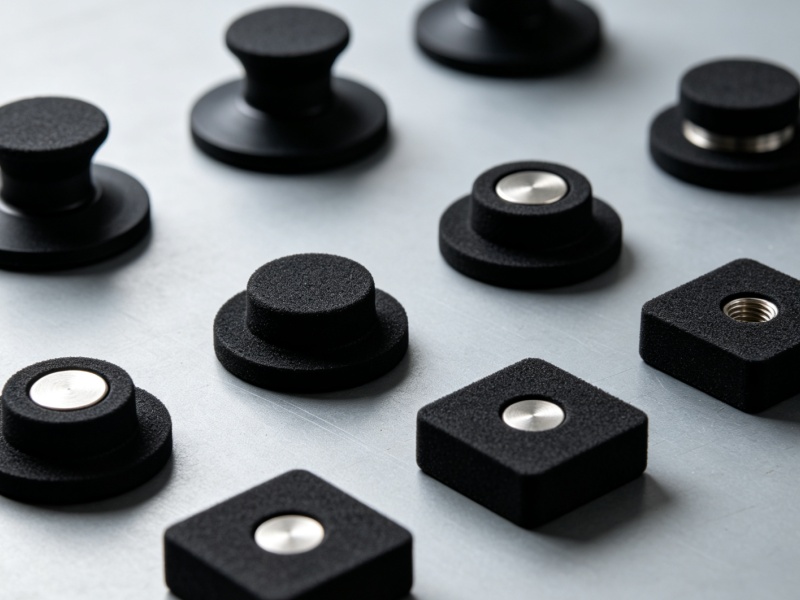
Pot magnet construction also matters. The steel cup concentrates magnetic flux and protects the magnet from impact, which usually gives better practical holding force than a bare magnet of the same material. This is why enclosed designs are often preferred for field tools and industrial fixtures. For technical background, the National Institute for Occupational Safety and Health emphasizes practical hazard control in dusty and debris-heavy environments, especially where visibility and housekeeping affect safety.
Key Selection Table: What Crews Should Check Before Buying
| Selection factor | Why it matters | Practical note |
|---|---|---|
| Pull force | Determines lifting and retrieval potential | Check contact conditions, not only lab ratings |
| Housing type | Affects durability and magnetic circuit efficiency | Steel-cased designs usually hold up better |
| Attachment method | Controls how the tool is mounted or used | Choose countersunk or through-hole designs as needed |
| Corrosion resistance | Important in wet, salty, or chemical exposure | Look for protective coatings and sealed structures |
| Handle and rope setup | Affects control and safety during retrieval | Use secure knots, shackles, or rated hardware |
When a fishing magnet should not be standard gear
A fishing magnet should not be treated as universal rescue equipment. It cannot recover aluminum, stainless steel in many grades, plastics, wood, or composite materials, and it is not suitable for lifting unknown loads that may exceed safe handling limits.
It also has limits in contaminated environments. Thick mud, silt, or heavy rust can reduce effective attraction, and sharp debris can damage coatings or rope systems. In those cases, crews may need a grabber, hook, line, or mechanical lifting device instead.
Safety standards should guide the decision. OSHA’s walking-working-surface rules and fall-protection framework emphasize hazard control, access, and safe work practices, which means any retrieval tool must fit the task without adding new risks.

How repair and rescue teams can use them safely
Safe use starts with task matching. Crews should confirm the object is ferromagnetic, estimate weight, check the environment, and verify whether the retrieval path includes sharp edges, moving machinery, or electrical hazards.
A simple operating sequence improves results. First, isolate the area; second, inspect the surface or water depth; third, test the magnet with a controlled pass; fourth, retrieve slowly; and fifth, inspect the tool for damage before reuse. This reduces missed pickups and prevents sudden release.
For crews that need broader magnetic support, magnetic pickup tools and magnetic tools and pot magnet products can complement a fishing magnet rather than replace it. In practice, the best kit combines retrieval, pickup, and cleanup functions.
Surface protection is also important. Rubber-coated magnets are better when crews must avoid scratching painted panels, finished equipment, or delicate surfaces. They are less aggressive than bare steel-cased units, but they can be the safer choice for maintenance work around visible assets.
Supplier Directory and where to buy
Repair and rescue buyers usually compare three supplier types: industrial magnet manufacturers, rescue-equipment distributors, and general maintenance-tool vendors. Industrial suppliers are best when crews need custom sizes, rope assemblies, or higher holding-force options for repeated field use.
For a broader product range, a direct manufacturer such as RC Magnet can be useful for pot magnets, fishing magnets, magnetic pickup tools, and related magnetic accessories. For specialized rescue procurement, buyers should also compare established emergency-equipment distributors and local industrial supply channels to verify availability, certification, and after-sales support.
Bottom line for procurement teams
A fishing magnet is worth standardizing when crews regularly recover ferrous objects from water, mud, drains, or cluttered work areas. It is most valuable as part of a broader repair work and rescue tool kit, not as a stand-alone answer for every retrieval task.
Procurement teams should standardize it only after checking task frequency, load expectations, corrosion exposure, and compatibility with other recovery tools. That approach produces a more reliable kit and avoids buying a tool that looks useful but fails in real field conditions.
FAQ
1. Are fishing magnets suitable for underwater retrieval tool kits?
Yes, they are often suitable when the target is ferromagnetic and the water is shallow enough for controlled handling. They work best for tools, fasteners, and small parts. They are less effective in deep silt, heavy current, or mixed-material debris where visibility and contact are poor.
2. Can a fishing magnet replace a grab hook or clamp?
No, it cannot replace them in every case. A magnet only works on magnetic metals, while hooks and clamps can handle non-magnetic or irregular objects. Most crews benefit from carrying both, because each tool solves a different retrieval problem in repair and rescue operations.
3. What is the main difference between a fishing magnet and a magnetic pickup tool?
A fishing magnet is usually built for retrieval from water, mud, or hidden spaces, often with a rope attachment. A magnetic pickup tool is usually a handheld repair aid for screws, bolts, and washers. The first is better for salvage; the second is better for routine maintenance.
4. How do crews avoid losing strength in muddy or rusty conditions?
They should expect reduced performance and plan accordingly. Mud, rust, and uneven contact surfaces reduce effective attraction, so a higher-rated tool may still perform modestly in the field. Cleaning the contact face, using slow retrieval, and choosing a steel-cased design can improve consistency.
5. What other terms do buyers use for fishing magnets?
Buyers often search for underwater retrieval tool, magnetic salvage gear, recovery magnet, or magnetic recovery tool. These terms usually describe the same general function, but procurement teams should still verify size, pull force, mounting method, and corrosion protection before ordering.